
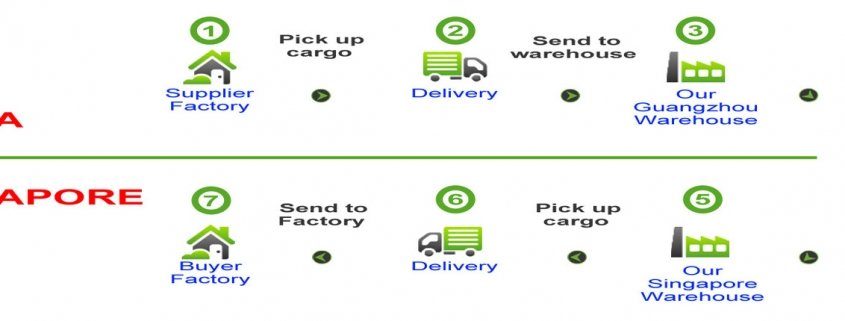
Shipping from China to Singapore is one of the busiest international trade routes in the world. However, many importers in Singapore face challenges when shipping from China, such as unclear shipping costs, customs clearance issues, GST & duties, and difficulty choosing the right shipping method.
Whether you are a first-time importer or an experienced business owner, this guide will help you make better shipping decisions and reduce logistics costs.
Why Importers in Singapore Source Products from China
Singapore importers source products from China mainly due to cost efficiency, stable supply chains, and strong logistics connectivity between the two countries. These advantages make China one of the most preferred sourcing destinations for businesses in Singapore.
Cost Efficiency and Scalable Manufacturing
China offers highly competitive production costs supported by large-scale manufacturing clusters. Industries such as electronics, machinery, and consumer goods benefit from economies of scale, allowing importers to reduce per-unit costs while maintaining consistent product quality.
Reliable Supply Chain and Production Capacity
China’s manufacturing ecosystem is highly integrated, with complete upstream and downstream supply chains. This enables:
- Stable production output
- Small-batch and large-volume flexibility
- Faster production cycles for diverse product categories
This reliability helps Singapore importers maintain steady inventory and reduce supply disruptions.
Geographic Proximity and Strong Logistics Network
China’s proximity to Singapore allows for frequent shipping routes via sea freight, air freight, and express services. Combined with mature port infrastructure and trade efficiency, this results in:
- Shorter transit times compared to most sourcing countries
- Lower overall logistics costs
- High shipping frequency and flexible scheduling.
What Are the Main Shipping Methods from China to Singapore
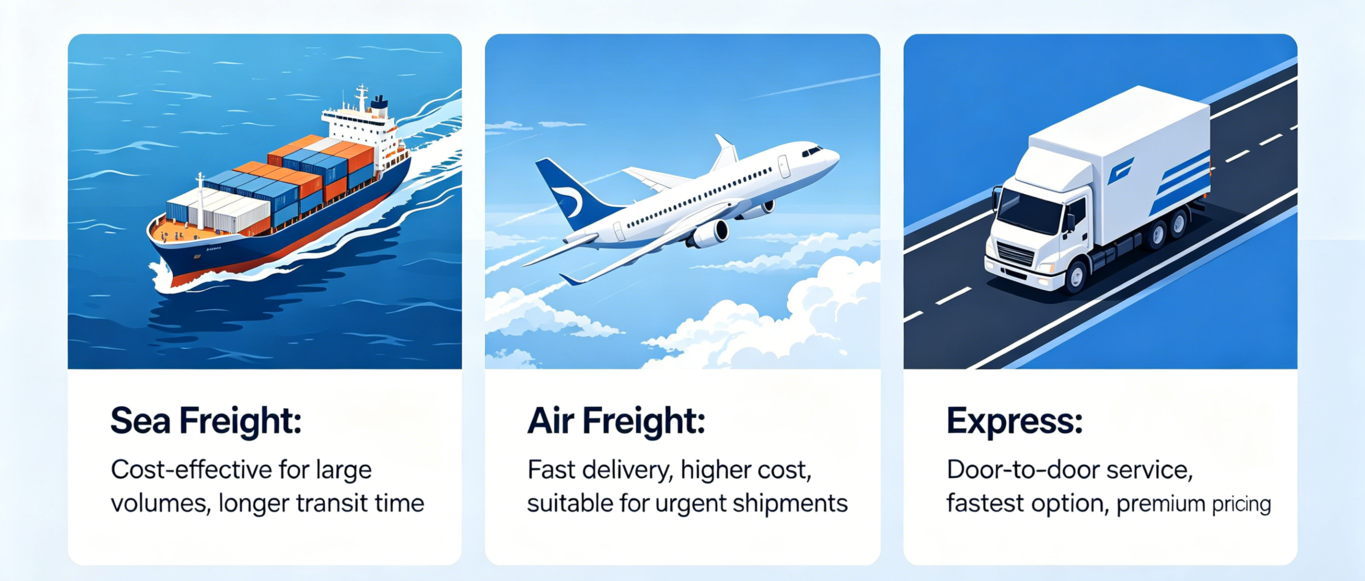
The main shipping methods from China to Singapore include sea freight, air freight, express courier, and DDP door-to-door shipping, each offering different trade-offs in cost, speed, and logistics complexity.
First, Let’s make a quick overview:
| Dimension | Air Freight | Sea Freight | Express |
|---|---|---|---|
| Unit Shipping Price | High | Lowest | Medium–High |
| Cost Predictability | Medium | Low–Medium | High |
| Transit Time | Fast | Slow | Very Fast |
| Minimum Shipment Requirement | Normally 45kg+ | 1 CBM+ | 1 KG+ |
| Oversized Cargo/Dangerous goods Handling | Limited | Excellent | Not suitable |
| Customs Complexity | Medium | High | Low |
| DDP Shipping | Optional | Optional | Yes |
| Tracking Visibility | High | Medium | High |
| Risk of Delay | Medium | High | Low |
| Damage Risk | Low | Medium | Low |
| Hidden Cost Risk | Medium | High | Low |
| Best For | valuable shipments & perishable goods shipping | Cost-sensitive bulk cargo & special cargo shipment | Urgent small shipment & samples & files |
Sea Freight from China to Singapore
Sea freight is the most cost-effective option for large shipments above 1 CBM, especially for heavy or non-urgent goods such as furniture and machinery.
- Best for: bulk shipments, cost-sensitive cargo
- Key advantage: lowest shipping cost per CBM
- Limitation: longest transit time
Air Freight from China to Singapore
Air freight is suitable for time-sensitive shipments that require faster delivery while maintaining moderate cost efficiency.
- Best for: 21–500kg shipments
- Key advantage: fast transit time
- Limitation: higher cost and cargo restrictions
Express Shipping from China to Singapore
Express shipping provides door-to-door delivery with the fastest transit time, ideal for small parcels and e-commerce samples.
- Best for: 1–21kg parcels, documents
- Key advantage: fastest delivery
- Limitation: high cost per kg, strict restriction for oversized and special cargo
DDP Shipping from China to Singapore
DDP shipping is a fully managed door-to-door solution where freight forwarders handle full shipment from pickup, international shipping, customs clearance, duties & GST and final delivery.
- Best for: beginners, Amazon sellers, SMEs
- Key advantage: all-inclusive pricing, hassle-free service
- Limitation: less cost breakdown transparency
How Much Does Shipping from China to Singapore Cost

Shipping cost from China to Singapore varies depending on your shipping methods. In this section, I will introduce the shipping cost calculation, shipping cost construction, shipping cost breakdown, how to save cost and common risks with corresponding tips.
How to Calculate Shipping Cost
Shipping cost is mainly calculated based on volume (CBM) or weight (chargeable weight) depending on the shipping method.
- For sea freight: Cost is calculated by CBM (cubic meter) or container type (FCL/LCL)
- For air freight: Cost is calculated by chargeable weight, which is the higher value between actual weight and volumetric weight
Formula:
- Volumetric Weight (kg) = L × W × H (cm) ÷ 6000
- CBM = L × W × H (m)
The divisor 6000 is the standard used in international air freight pricing.
What Are You Actually Paying For
Understanding the shipping cost construction helps you save cost and have a better negotiation with your freight forwarder. Following are main common charges.
| Cost Component | What It Covers | Who Charges It | When It Applies |
|---|---|---|---|
| Domestic Costs in China | Pickup from supplier, consolidation, packaging, relabeling, warehousing, inspection | Supplier / Forwarder | Before export |
| International Freight Cost | Sea freight / air freight / express carrier charges, insurance | Carrier (shipping line / airline / courier) | Main transport stage |
| Seaport / Airport Handling Cost | Terminal handling, loading/unloading, documentation | Port / Airport authority | Arrival & departure at ports |
| Customs Clearance Cost | Export clearance in China + import clearance in Singapore | Customs broker / Freight forwarder | Both countries |
| Duties & GST Cost | Singapore import tax and GST (if applicable) | Singapore Customs | Import stage |
| Last Mile Cost | Delivery from port/airport to final address | Local delivery force | Final stage |
Sea Freight vs Air Freight vs Express: Shipping Cost Comparison
Following shipping cost of general goods from China to Singapore provided by DFH Logistics in May, 2026 is only for reference. If your goods contain batteries, branded products, liquid, or irregular package, please contact us for more detailed and accurate quotation for your specific shipments.
Price may fluctuate over time and different freight forwarder with different competitive resource will provide different price.
Air Freight from China to Singapore
| Chargeable Weight | Unit Price |
|---|---|
| 11-30 KG | 4.48 USD/KG |
| 31-100 KG | 3.73 USD/KG |
| 101-500 KG | 3.36 USD/KG |
| 501-1000 KG | 3.13 USD/KG |
Sea Freight from China to Singapore
| CBM | Unit Price |
|---|---|
| 1-3 CBM | 119.40 USD/CBM |
| 4-5 CBM | 116.42 USD/CBM |
| 6–10 CBM | 111.94 USD/CBM |
| 11–15 CBM | 107.46 USD/CBM |
Express from China to Singapore
| Chargeable Weight | Unit Price |
|---|---|
| 25 – 45 KG | 2.69 USD/KG |
| 46 – 71 KG | 2.54 USD/KG |
| 72 – 100KG | 2.46 USD/KG |
| 101 – 300 KG | 2.39 USD/KG |
| >300 KG | 2.31 USD/KG |
How to Reduce Shipping Costs from China to Singapore
Besides choosing the right shipping method to save shipping costs, what other ways are there to reduce shipping cost from China to Singapore?
1. Cargo Consolidation & Repacking
Optimized the cargo size and weight by consolidation and repacking your multiple suppliers’ goods into one shipment to save shipping cost.
Case Study: Reduce Shipping Cost from China to Singapore by Consolidation
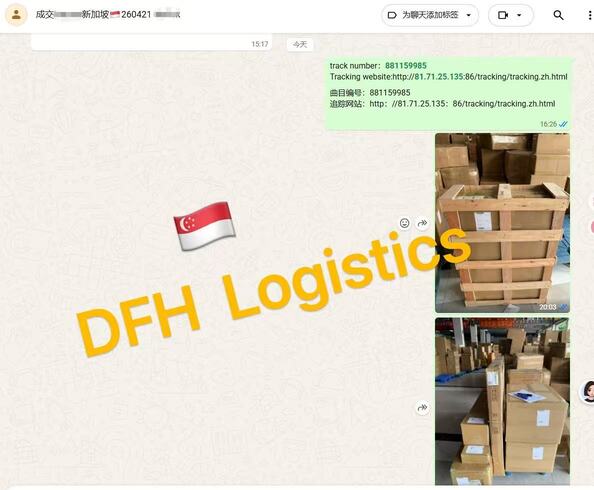
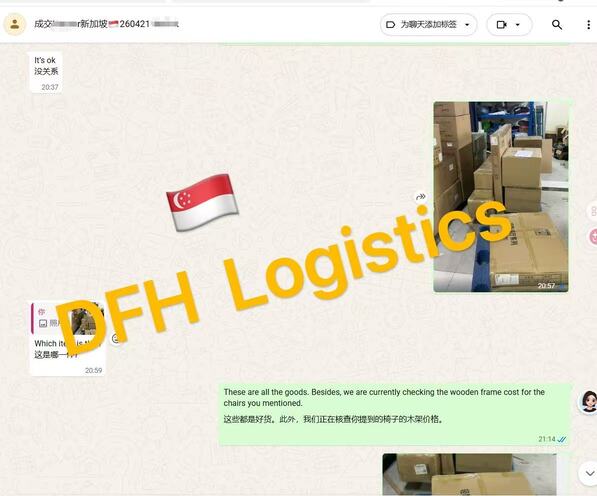
A Singapore importer purchased furniture products from 52 different suppliers in China. Before shipment, DFH Logistics consolidated and repacked all cargo into a single optimized shipment.
- Original: 52 separate packages
- After consolidation: optimized single shipment
- Volume reduction: nearly 50%
- Final volume: 1.4 CBM.
Key result: Significant reduction in total shipping cost due to optimized CBM usage.
2. Avoid Peak Season
Common peak seasons include:
- Chinese New Year (CNY)
- National Day holidays (China)
- Double 11 / Double 12 shopping festivals
- Black Friday & year-end peak
Tips:
- Ship 2–4 weeks before peak season
- Avoid urgent bookings during high demand periods
- Lock space in advance when possible.
3. Ensure Compliance to Avoid Extra Logistics Costs
Non-compliant shipping practices often lead to unexpected costs such as customs delays, inspections, storage fees, or penalties.
Common compliance issues include:
- Incorrect HS codes
- Under-declared value
- Inconsistent shipping documents
- Missing import permits (for controlled goods)
Common Hidden Shipping Charges You Should Know
Hidden shipping charges usually happen when the initial quotation does not include all logistics steps or when additional services are required during transportation. Many importers focus only on the base freight rate from China to Singapore, but the final landed cost may include multiple additional charges. Here are the common hidden fees you need to know.
| Charge Type | Who Charges It | Why It Happens | Can It Be Avoided / Controlled |
|---|---|---|---|
| Fuel Surcharge | Shipping Line / Airline / Express Courier | Fuel price fluctuation in global transport operations | ❌ Not controllable |
| Oversized Cargo Fee | Shipping Line / Airline / Express Courier | Cargo exceeds standard size or weight limits | ⚠️ Partially (via packaging optimization) |
| Remote Area Surcharge | Express Courier / Airline / Shipping Line | Delivery to non-standard or remote locations | ⚠️ Partially (depends on destination) |
| Peak Season Surcharge | Shipping Line / Airline / Express Courier | Capacity shortage during peak demand periods | ❌ Not controllable |
| Port / Terminal Handling Fee | Port / Terminal Operator | Loading, unloading, and cargo handling operations | ❌ Not controllable |
| Warehousing Fee | Warehouse Operator / Port Operator | Delays in pickup, clearance, or shipment processing | ✅️ Yes (timely clearance & pickup) |
| Repacking and Consolidation Fee | Freight Forwarder | Cargo consolidation or packaging optimization required | ✅️ Yes (depends on cargo condition) |
| Customs Inspection Fee | Customs / Inspection Authority | Random inspection or declaration verification | ❌ Not controllable |
| Demurrage Fee | Shipping Line / Port Authority | Container not returned within free time period | ✅️ Yes (efficient clearance & return) |
| Documentation Fee | Freight Forwarder / Shipping Line / Airline | Processing shipping documents and declarations | ⚠️ Sometimes (depends on service scope) |
| Security Fee | Airline / Port Authority | Security screening and compliance requirements | ❌ Not controllable |
Before make the payment, always confirm with your freight forwarder what included at that price to reduce surprise cost.
How Long Does Shipping from China to Singapore Take
Shipping time from China to Singapore depends on the shipping methods and other affecting factors like port congestion and custom clearance. Normally, shipping from China to Singapore takes 15-20 days by sea freight, 3-5 days by air freight, 2-4 days by express.
Typical Shipping Time from China to Singapore
Below is a standard transit time comparison for the main shipping methods:
| Shipping Method | Transit Time |
|---|---|
| Express (DHL, FedEx, UPS) | 2–4 days |
| Air Freight (Door to Door) | 3–5 days |
| Air Freight (Airport to Airport) | 1–2 days |
| Sea Freight (Seaport to Seaport) | 10–15 days |
| Sea Freight (Door to Door) | 15–20 days |
What Affects Shipping Time from China to Singapore
Shipping delays are usually caused by operational, documentation, or customs-related factors rather than transportation itself.
1. Customs Inspection Delay
Shipments may be randomly selected for inspection by customs authorities in either China or Singapore.
- Impact: Additional clearance time required; Possible document verification requests
- Key point: Customs inspection is random and cannot be fully avoided, but proper documentation reduces delay risk.
2. Incomplete or Incorrect Documentation
Documentation errors are one of the most common causes of shipping delays. Typical issues include:
- Incorrect invoice value
- Missing or wrong HS code
- Inconsistent product descriptions
- Incorrect consignee details
Even small errors can result in customs hold or re-submission.
3. Port or Airport Congestion
During peak shipping periods, ports and airports may experience high cargo volume. Common effects:
- Slower cargo handling
- Delayed vessel or flight scheduling
- Longer warehouse processing time
Peak seasons include:
- Chinese New Year
- National Day holidays
- 11.11 / 12.12 shopping festivals
- Year-end peak season.
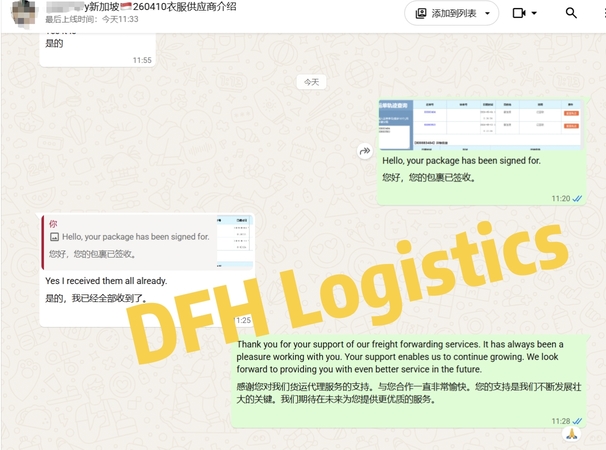
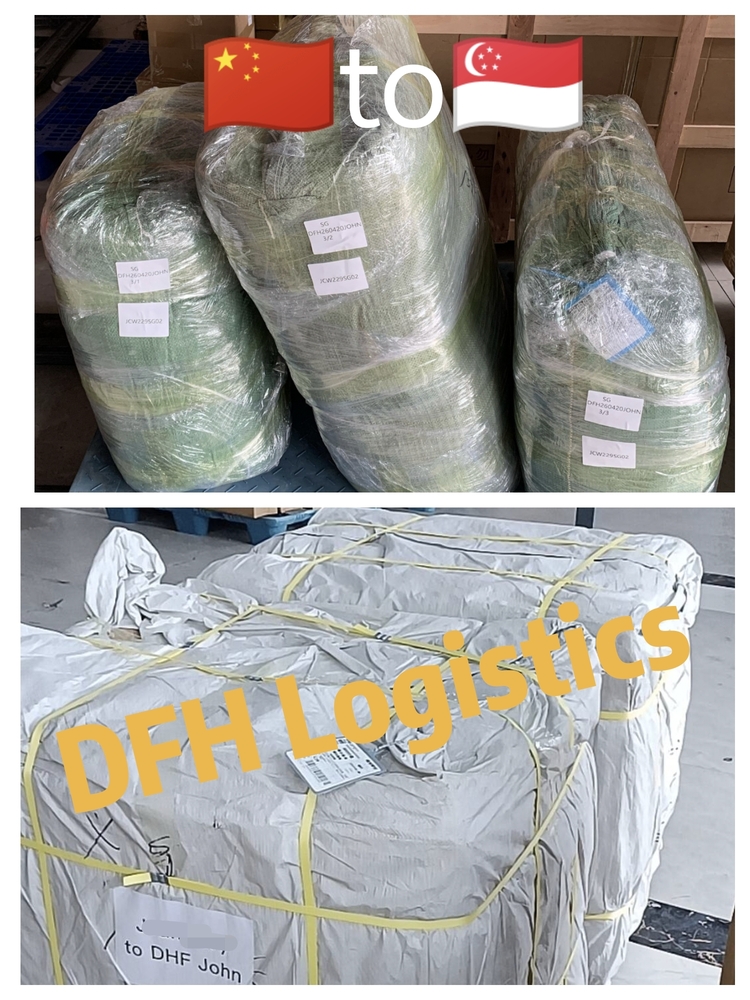
Case Study: 8-Day Fast Delivery from China to Singapore
A Singapore importer required urgent delivery of goods from China.
- Shipping solution: Optimized air freight routing; Pre-prepared customs documentation; Priority handling arrangement
- Result: Total delivery time: 8 days; Standard transit time reduced by over 10 days; No customs delay during clearance
Key factor: early documentation preparation + optimized logistics planning.
Step-by-Step Process: How to Ship from China to Singapore
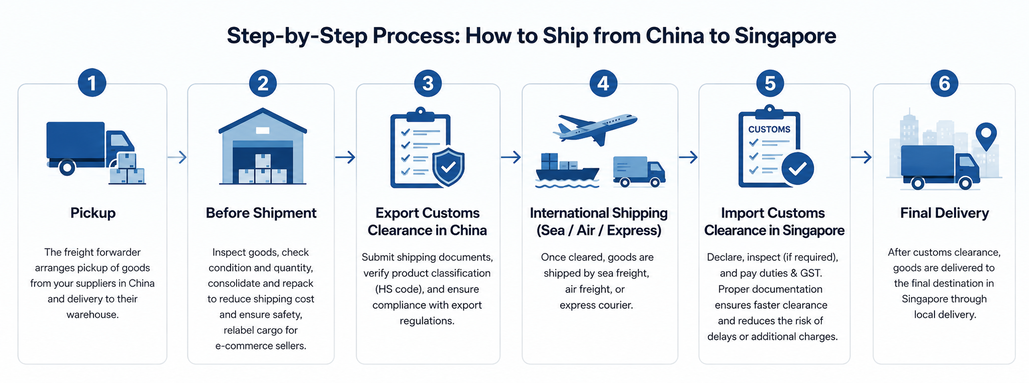
Shipping from China to Singapore involves multiple stages, including supplier coordination, cargo consolidation, customs clearance, international transport, and final delivery in Singapore. Following is a standard workflow to ship from China to Singapore.
Step 1: Pickup
The freight forwarder arranges pickup of goods directly from your suppliers in China and delivery to their warehouse for preparation before the shipment.
Step 2: Before Shipment
Before shipment, the freight forwarder will inspect your goods to check cargo condition and quantity, consolidate and repack to reduce shipping cost and safety, relabel cargo for e-commerce sellers.
Step 3: Export Customs Clearance in China
All shipments must go through export customs clearance in China before exporting. This includes submitting shipping documents, verifying product classification (HS code), and ensuring compliance with export regulations.
Step 4: International Shipping (Sea / Air / Express)
Once cleared, goods are shipped by sea freight, air freight, or express courier.
Step 5: Import Customs Clearance in Singapore
Upon arrival in Singapore, shipments must go through import customs clearance, including declaration, inspection (if required), and duties & GST payment. Proper documentation ensures faster clearance and reduces the risk of delays or additional charges.
Step 6: Final Delivery
After customs clearance, goods are delivered to the final destination in Singapore through local delivery. This completes the door-to-door shipping process from China to Singapore.
What Are Incoterms in Shipping from China to Singapore
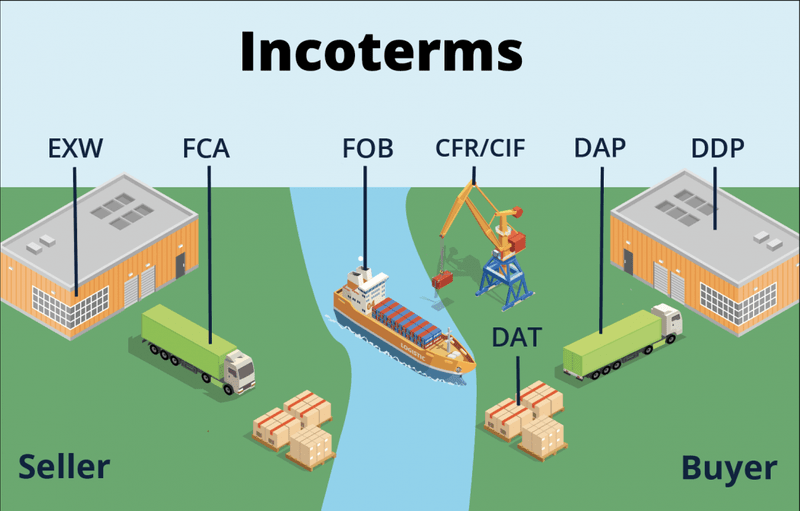
Incoterms are internationally recognized trade rules that define cost responsibility, risk transfer, and logistics obligations between buyers and sellers in international trade. They are widely used in shipping from China to Singapore to clarify who is responsible for each stage of the logistics process.
Note: In international logistics, freight forwarders are often appointed to handle logistics on behalf of the seller or buyer. However, Incoterms responsibilities remain defined between the buyer and seller, while freight forwarders act as service providers for them.
Common Incoterms Used in Shipping from China to Singapore
Below are the four most commonly used Incoterms in China–Singapore shipping: EXW, FOB, CIF, and DDP.
- EXW (Ex Works): The seller makes the goods available at their premises (factory or warehouse), and the buyer assumes full responsibility for all transportation, export clearance, and import processes.
- FOB(Free On Board): The seller is responsible for delivering the goods to the port of shipment in China and loading them onto the vessel. Once the goods are on board, the responsibility transfers to the buyer.
- CIF(Cost, Insurance & Freight): The seller pays for the cost of goods, international shipping, and basic insurance to the destination port. However, risk transfers to the buyer once the goods are loaded onto the vessel.
- DDP(Delivered Duty Paid): The seller or freight forwarder is responsible for delivering the goods directly to the buyer’s final destination, including all costs and risks.
EXW vs FOB vs CIF vs DDP: What Is the Difference?
Let’s summarize and compare the responsibilities and risk allocation under each Incoterm.
| Incoterm | EXW (Ex Works) | FOB (Free On Board) | CIF (Cost, Insurance & Freight) | DDP (Delivered Duty Paid) |
|---|---|---|---|---|
| Pickup in China | Buyer | Seller | Seller | Seller |
| Inland transport in China | Buyer | Seller | Seller | Seller |
| Export customs in China | Buyer | Seller | Seller | Seller |
| International shipping | Buyer | Buyer | Seller | Seller |
| Insurance | Buyer | Buyer | Seller (basic coverage) | Seller |
| Singapore import customs | Buyer | Buyer | Buyer | Seller |
| Import duties & GST | Buyer | Buyer | Buyer | Seller |
| Final delivery in Singapore | Buyer | Buyer | Buyer | Seller |
| Risk transfer point | At factory | When goods are loaded on vessel | When goods are loaded on vessel | At destination door |
| Service type | Ex-factory pickup only | Port-to-port | Port-to-port (cost included) | Door-to-door |
| Complexity | Very high | High | Medium | Low |
| Hidden fees | Very High | Medium | Medium | Low(All inclusive price) |
| Best for | Experienced importers with own logistics team | Importers who want control over freight | Buyers needing simple shipping to port | E-commerce sellers & beginners |
| Advantages | Lowest product price | Balanced control & cost | Shipping + insurance included | Fully managed, stress-free |
| Disadvantages | Many hidden costs, complex coordination | Import clearance still required | Not door-to-door, customs not included | Higher upfront cost |
Why DDP Shipping Is the Most Popular Option for Singapore Importers
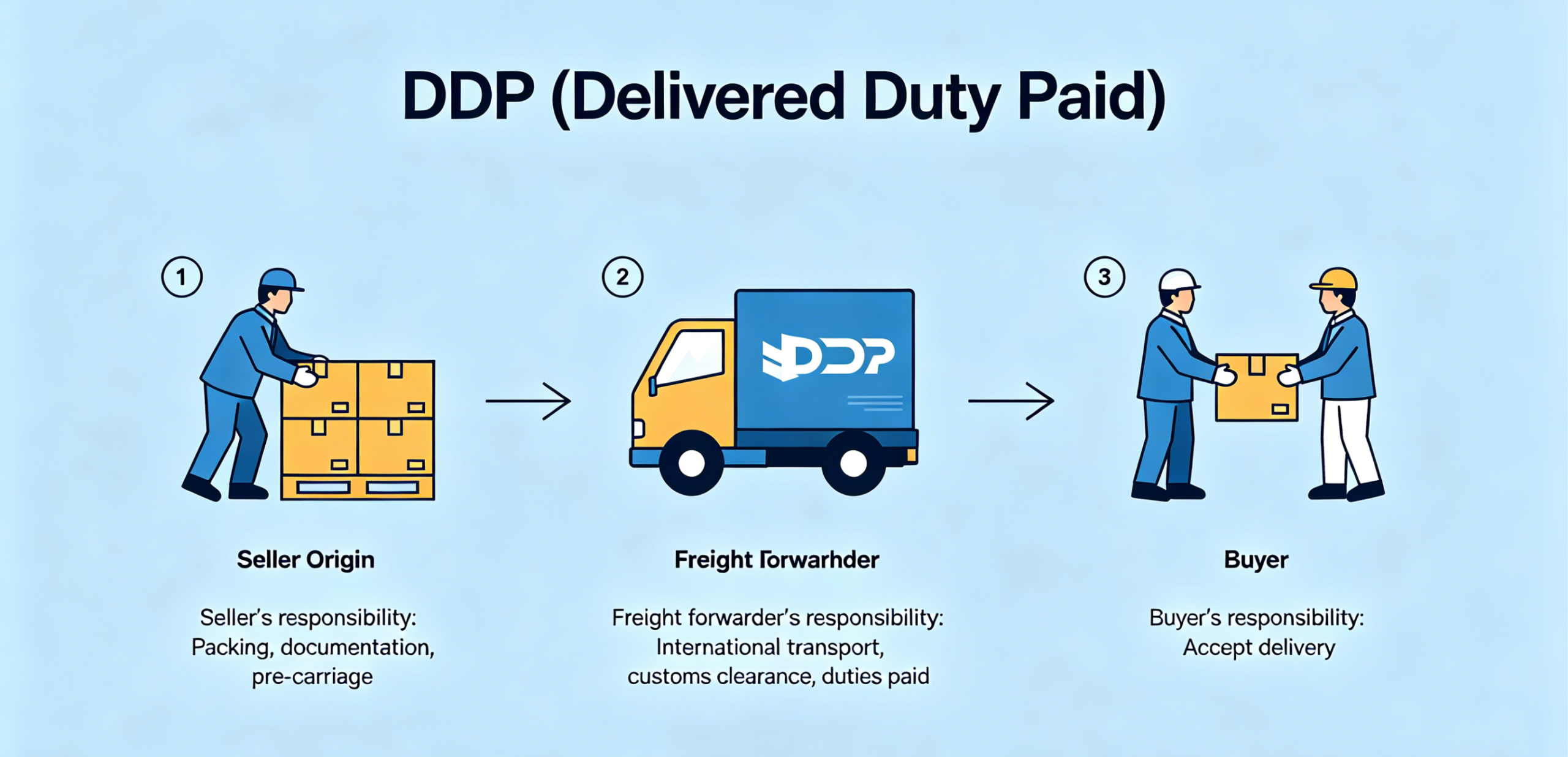
DDP is widely used in e-commerce and small-to-medium shipments because it simplifies the logistics process.
A. Full-Service Convenience
Under DDP terms, the freight forwarder manages the entire logistics process, including:
- pickup in China
- export customs clearance
- international shipping
- import clearance in Singapore
- duties and GST payment
- final delivery
This reduces the need for importers to coordinate multiple logistics parties.
B. Cost Predictability
DDP provides a single all-inclusive price that covers all logistics stages. This helps importers:
- avoid unexpected destination charges
- calculate landed cost more accurately
- improve budget planning
C. Less Coordination for Importers
Importers only need to communicate with one logistics provider instead of multiple parties such as:
- suppliers
- shipping lines
- customs brokers
- local delivery providers
This significantly simplifies the supply chain management process.
What Goods Are Prohibited and Controlled in Singapore
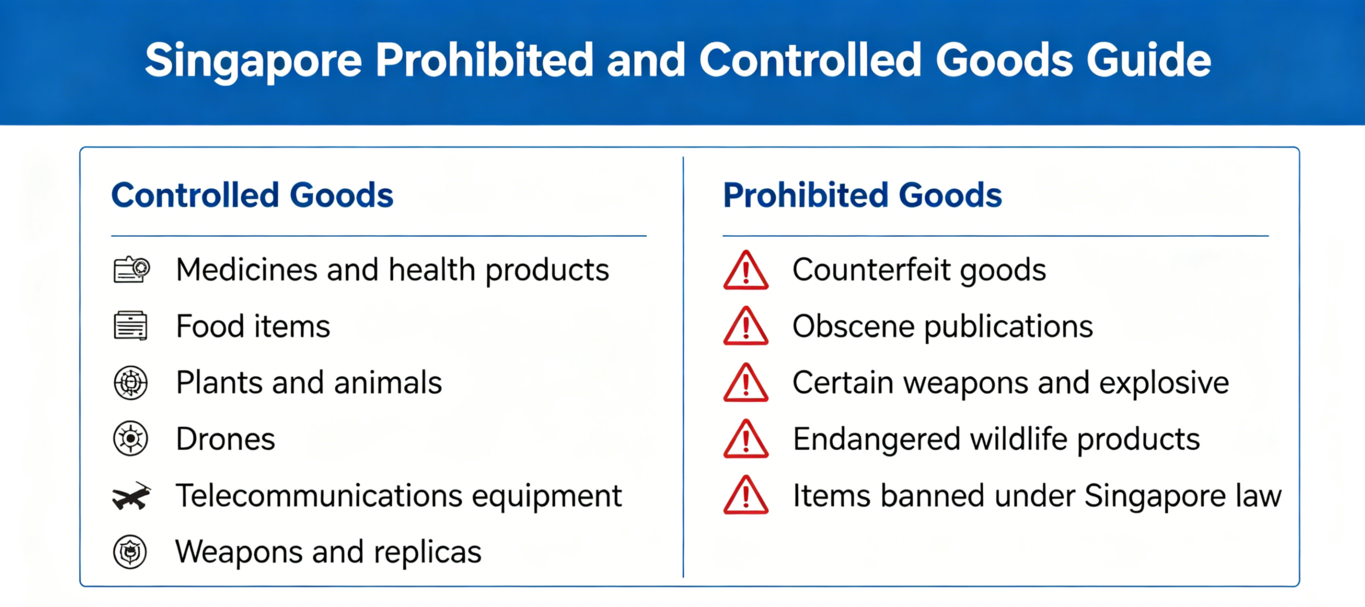
Singapore has strict import regulations to ensure safety, public health, and legal compliance. It’s very necessary to know what are allowed to be imported in Singapore. Prohibited goods are not allowed to enter Singapore under any circumstances. Controlled goods can be imported only with proper permits, licenses, or approvals from relevant authorities.
Controlled Goods in Singapore
Controlled goods require proper authorization from Competent Authorities (CA). You can check if your goods are controlled by HS/CA Product Code Checker.
- Medicines and health products
- Food items
- Plants and animals
- Drones
- Telecommunications equipment
- Weapons and replicas
Prohibited Goods in Singapore
Following common prohibited goods are not allowed to be imported in Singapore:
- Counterfeit goods
- Obscene publications
- Certain weapons and explosive
- Endangered wildlife products
- Items banned under Singapore law
Check trade restrictions, banned goods, and shipment rules for countries sanctioned by the United Nations Security Council to ensure compliance with Singapore regulations: United Nations Security Council Sanctions.
What Documents Are Required for Shipping from China to Singapore

Proper shipping documentation is essential for smooth customs clearance and international logistics. Missing or incorrect documents may lead to shipment delays, customs inspections, additional charges, or cargo rejection in Singapore. Below are the main shipping documents required for importing from China to Singapore, along with common documentation mistakes that importers should avoid.
Main Shipping Documents
The required documents may vary depending on the shipping method, cargo type, and Incoterms used in the shipment. Here are the main shipping documents required:
1. Commercial Invoice
The Commercial Invoice is one of the most important shipping documents in international trade. It typically includes:
- Seller and buyer information
- Product description
- Quantity and unit price
- Total cargo value
- HS code
- Incoterms
- Country of origin
Singapore customs uses the Commercial Invoice to assess import duties & GST and verify cargo information.
2. Packing List
A Packing List provides detailed packaging information about the shipment. It usually contains:
- Number of cartons or pallets
- Weight and dimensions
- Packaging type
- Cargo quantity
The Packing List helps Singapore customs inspection, warehousing handling and freight calculation.
3. Bill of Lading (B/L) or Air Waybill (AWB)
The Bill of Lading (B/L) for sea freight and Air Waybill (AWB) for air freight are transportation documents issued by the carrier. They serve as:
- Proof of shipment
- Transportation contract
- Cargo release document
These documents are used for cargo release, customs clearance and shipment tracking.
4. Certificate of Origin (Optional but Important)
A Certificate of Origin (COO) certifies the country where the goods were manufactured. It may be required for:
- Customs verification
- Trade agreement benefits
Some products may qualify for preferential tariff treatment under certain trade agreements.
5. Import Permit
The Import Permit is an official approval required for importing controlled goods into Singapore. Without proper permits, customs clearance may be rejected and cargo may be seized or delayed.
Common Documentation Mistakes
Below are some of the most common shipping documentation mistakes importers should avoid when shipping from China to Singapore.
1. Incorrect Declared Value
Importers must ensure that the declared value matches the actual transaction value and supporting documents. If the declared value is too low or inconsistent, Singapore Customs may:
- Request additional verification
- Delay customs clearance
- Impose penalties or reassessment of duties and GST
How to avoid it: Always declare the true transaction value and ensure consistency across all shipping documents.
2. Inconsistent Cargo Description
All documents must describe the cargo consistently, including:
- Commercial Invoice
- Packing List
- Bill of Lading / Air Waybill
- Import permits (if applicable)
Inconsistent descriptions may trigger customs inspection or clearance delays.
How to avoid it: Use standardized product descriptions across all documents and confirm details with suppliers and freight forwarders.
3. Missing or Incorrect HS Code
HS codes are internationally standardized product classification codes used for customs declaration. Incorrect HS codes may result in:
- Wrong duty or GST calculation
- Customs clearance delays
- Possible penalties or reclassification of goods
How to avoid it: Verify HS codes with experienced freight forwarders or official customs classification tools before shipment.
Proper documentation significantly reduces customs risks, avoids unnecessary delays, and improves overall logistics efficiency when shipping from China to Singapore. Many importers choose to work with professional freight forwarders to ensure all documents are correctly compliant with customs requirements.
Case Study: DDP Door-to-Door Shipping from China to Singapore with Full Documentation Handling
A client approached DFH Logistics to ship wedding photos from China to Singapore but was uncertain about required documents and shipping procedures.
- Solution: DDP air freight door-to-door shipping; Full documentation handling (Commercial Invoice, Packing List, Air Waybill); Customs clearance support in both China and Singapore
- Result: Safe delivery within 3–5 days; No customs delays or document issues; Fully managed end-to-end logistics process.
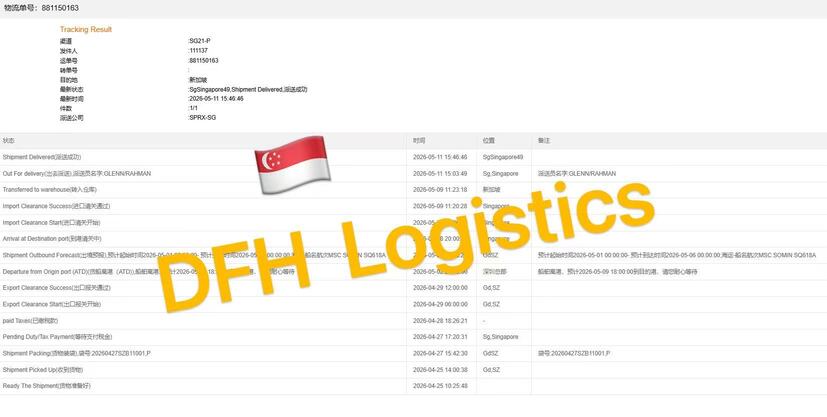
Singapore Customs Clearance, Import Duties & GST Explain
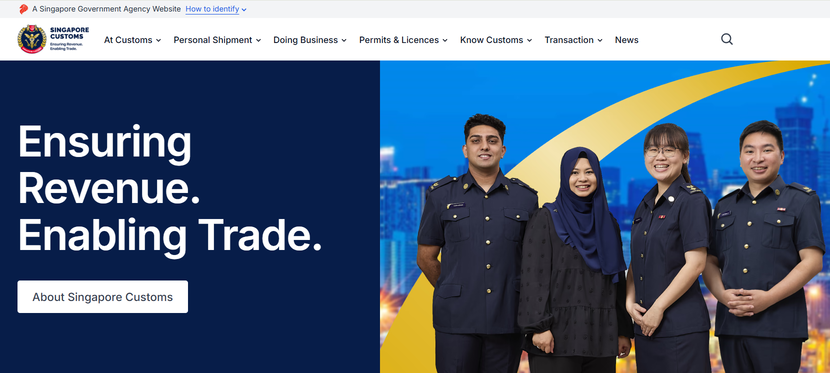
Understanding Singapore customs clearance, import duties, and GST is essential for calculating your total landed cost and avoiding customs delay when importing from China to Singapore. Here check the Singapore Official Customs Website.
Singapore Customs Clearance
Singapore customs clearance is the process of declaring imported goods to Singapore Customs before they can be released into the local market. What happens during clearance:
- Submission of shipping documents
- Cargo inspection (if required)
- Verification of declared value and HS code
- Approval for release
Import Duties & GST in Singapore
Import duties are taxes imposed on certain imported goods entering Singapore and GST is a consumption tax applied to imported goods in Singapore.
Types of Duty Rates
Duties are charged by two ways:
- Ad valorem rate – A percentage of the goods’ customs value (Example: 20% of customs value)
- Specific rate – A fixed amount per unit of weight or quantity (Example: S$535 per kilogramme)
Here to check list of dutiable goods for the specific duty rates.
Services Tax (GST)
Services Tax (GST) is calculated based on:
- The customs value of the goods, plus all duties, or
- The last selling price (LSP), plus all duties, if the goods were sold more than once before import and the last buyer is the party declaring the payment permit.
GST is generally applied at 9% based on the customs value of imported goods. Specific exemptions may apply depending on shipment type and customs regulations.
What Are the Most Common Shipping Risks from China to Singapore

Shipping from China to Singapore involves multiple steps, and different types of risks may occur that can affect delivery time, cost, and cargo condition. Understanding these common shipping risks helps importers better plan their shipment, reduce risk of cargo damage and loss, and choose the right freight forwarder.
Oversized Shipment Last Mile Delivery
Oversized or heavy shipments like may face difficulties during last-mile delivery in Singapore, especially in residential areas such as HDB flats or condominiums where space and access are limited.
Even though most buildings are equipped with elevators, certain bulky items such as furniture(Check how to ship furniture from China to Singapore), machinery, or large equipment may require stair carrying or special handling.
Potential impact:
- Additional labor charges
- Delivery delays
- Limited delivery access in certain locations
How to reduce risk:
- Inform your freight forwarder in advance
- Optimize packaging dimensions
- Confirm delivery access conditions before shipment.
Cargo Damage and Loss
During shipping from China to Singapore, cargo go through many steps, each of which increases the risk of physical damage or misplacement.
Common causes include:
- Improper or insufficient packaging
- Inadequate protection for fragile or high-value goods
- Poor stacking or handling during warehouse and port operations
- Multiple transfers between logistics providers
How to reduce this risk:
- Use proper export-grade packaging materials
- Apply clear labeling and handling instructions
- Purchase cargo insurance for high-value shipments
- Work with experienced freight forwarders with standardized handling processes
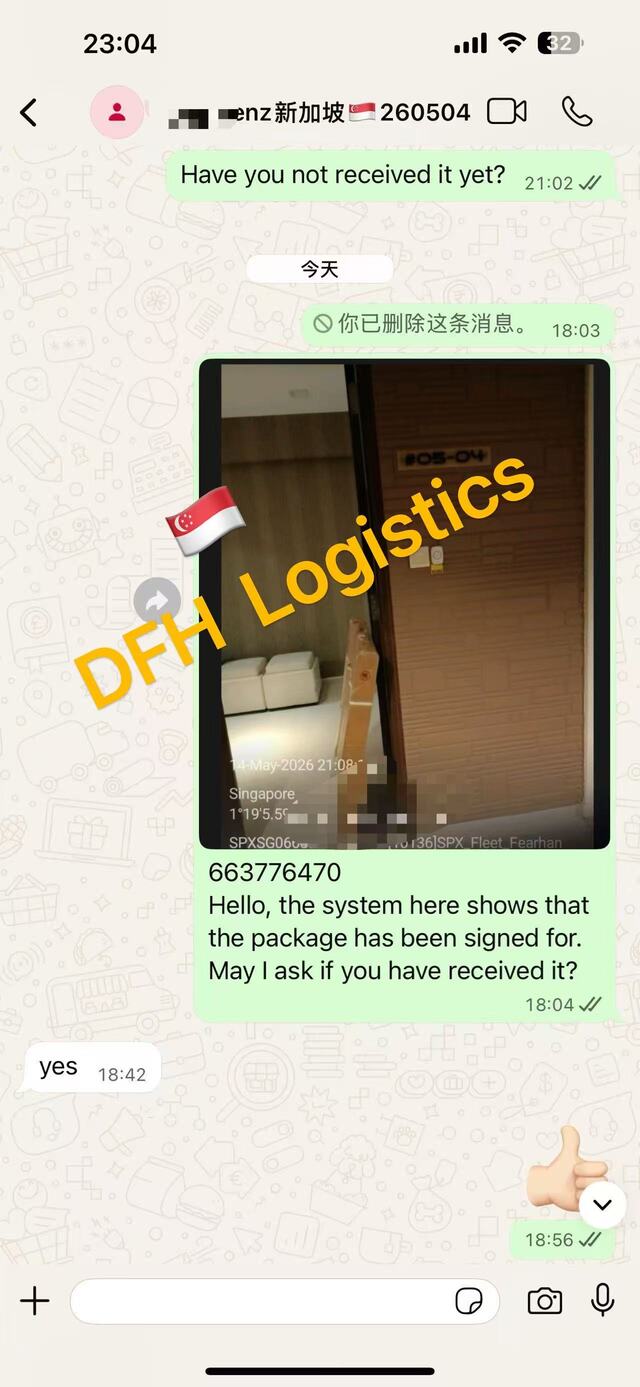
Instant Customer Support & Visibility
During international shipping from China to Singapore, importers rely on timely updates to track cargo status across multiple logistics stages, including pickup, export clearance, international transit, and final delivery.
However, shipment visibility issues may occur when communication between suppliers, freight forwarders, and carriers is not well coordinated.
Common issues:
- Delayed or incomplete shipment status updates
- Limited real-time tracking during transit
- Communication gaps between different logistics parties
- Slow response at delays or inspections
How to reduce this risk:
- Work with freight forwarders offering end-to-end tracking systems
- Ensure clear communication channels with logistics providers
- Use digital tracking platforms where available
- Choose providers with responsive customer support teams.
How to Choose the Right Freight Forwarder from China to Singapore
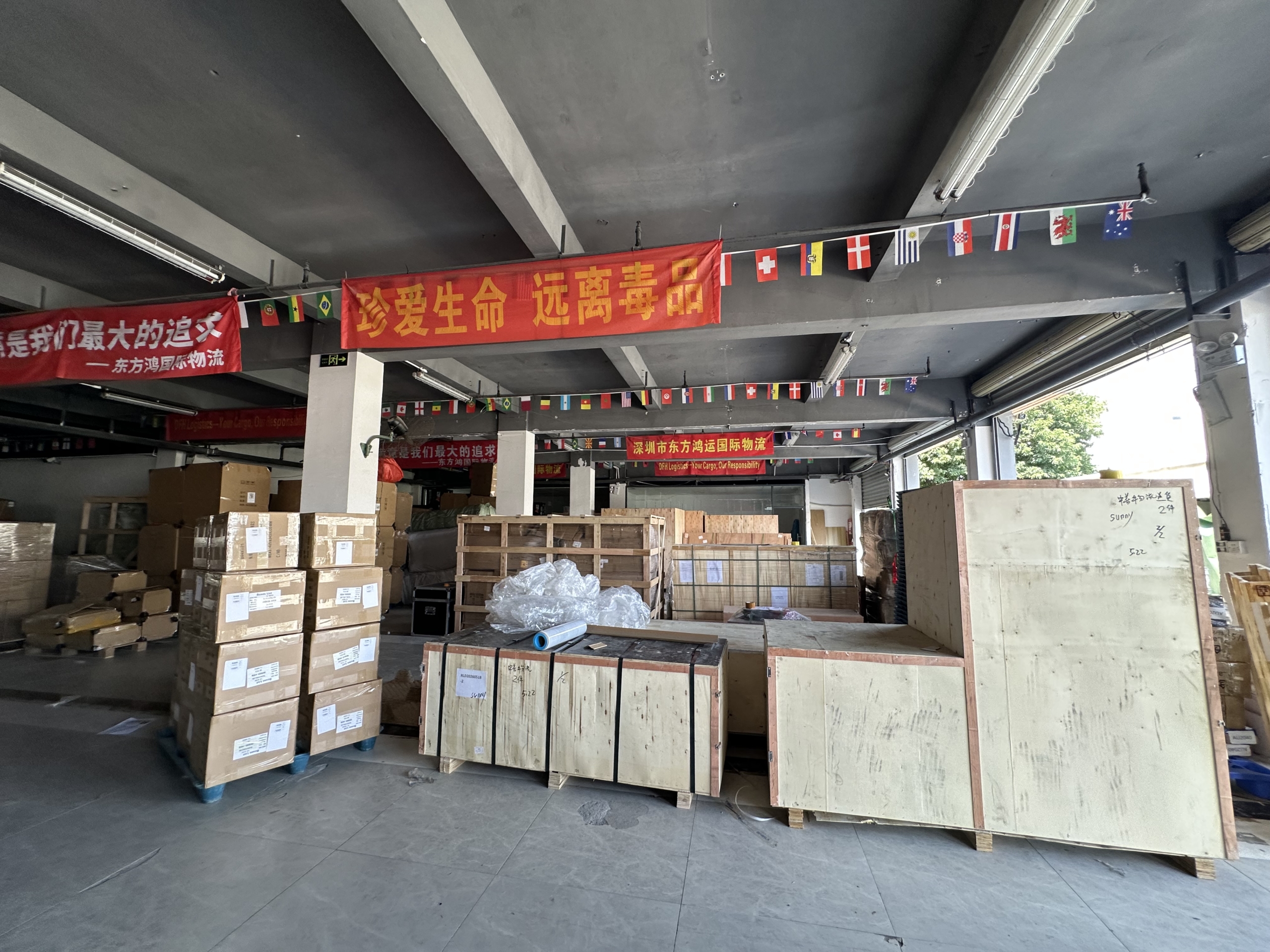
Choosing the right freight forwarder is one of the most important decisions when shipping from China to Singapore. A reliable logistics partner not only provide stale shipping routes and one stop hassle free service, but also offers reasonable price and 24/7 instant customer service. There is also something needs to avoid when choose a freight forwarder.
Experience with China–Singapore Shipping
A reliable freight forwarder should have strong hands-on experience in handling shipments from China to Singapore, as this helps importer reduce the risk of shipment delay, additional charges, cargo damage & loss, and improve the supply chain efficiency. Working with an experience freight forwarder like DFH Logistics will make your business smoother and easier.
End-to-End Service Capability
A qualified freight forwarder should provide end-to-end logistics services, covering every stage of the shipping process from pickup in China to final delivery in Singapore. This means the freight forwarder understand the full process shipping from China to Singapore with flexible operations and higher anti-risk capacity.
Transparent Pricing & No Hidden Fees
A professional logistics provider should clearly explain all cost components, including freight charges, and any other additional surcharges. This helps importers avoid unexpected cost and accurately calculate the total landed cost before shipping. A lack of pricing transparency often leads to hidden fees at destination, which can significantly affect profit margins and overall logistics planning for importers.
Customer Support
Unexpected issues such as shipment delays, customs inspections, or additional requirements may occur. A reliable freight forwarder should provide responsive communication and real-time shipment updates, especially under the urgent circumstance, allowing importers to track cargo status and quickly resolve any issues. Strong communication reduces uncertainty and improves overall supply chain visibility, especially for time-sensitive shipments.
Red Flags to Avoid When Choosing a Freight Forwarder
When selecting a freight forwarder from China to Singapore, importers should also be aware of several warning signs that may indicate unreliable service.
1. Extremely Low Quote & Unclear Quote
An extremely low quotation or an unclear pricing structure is often one of the earliest warning signs when choosing a freight forwarder from China to Singapore. While a low price may appear attractive at first, it often indicates that certain costs are not fully included or will be charged later during the shipping process.
2. Bad Online Review
Negative online reviews are another important indicator of potential service risks. While no logistics company is completely free of complaints, a consistent pattern of negative feedback may suggest issues such as delayed shipments, poor communication, hidden charges, or unreliable delivery performance. You can also trust the recommendation from your friends.
3. Commitment Misrepresentation
Some freight forwarders may make strong promises at the beginning of cooperation, including transit time and risk control management. However, discrepancies may arise during actual shipment.
To reduce potential risks, importers should require freight forwarders to provide proof of capability, such as previous China to Singapore shipping cases, operational track records, and documented service performance. This ensures that service commitments are based on proven experience rather than random claims.
Why Choose DFH Logistics for Shipping from China to Singapore
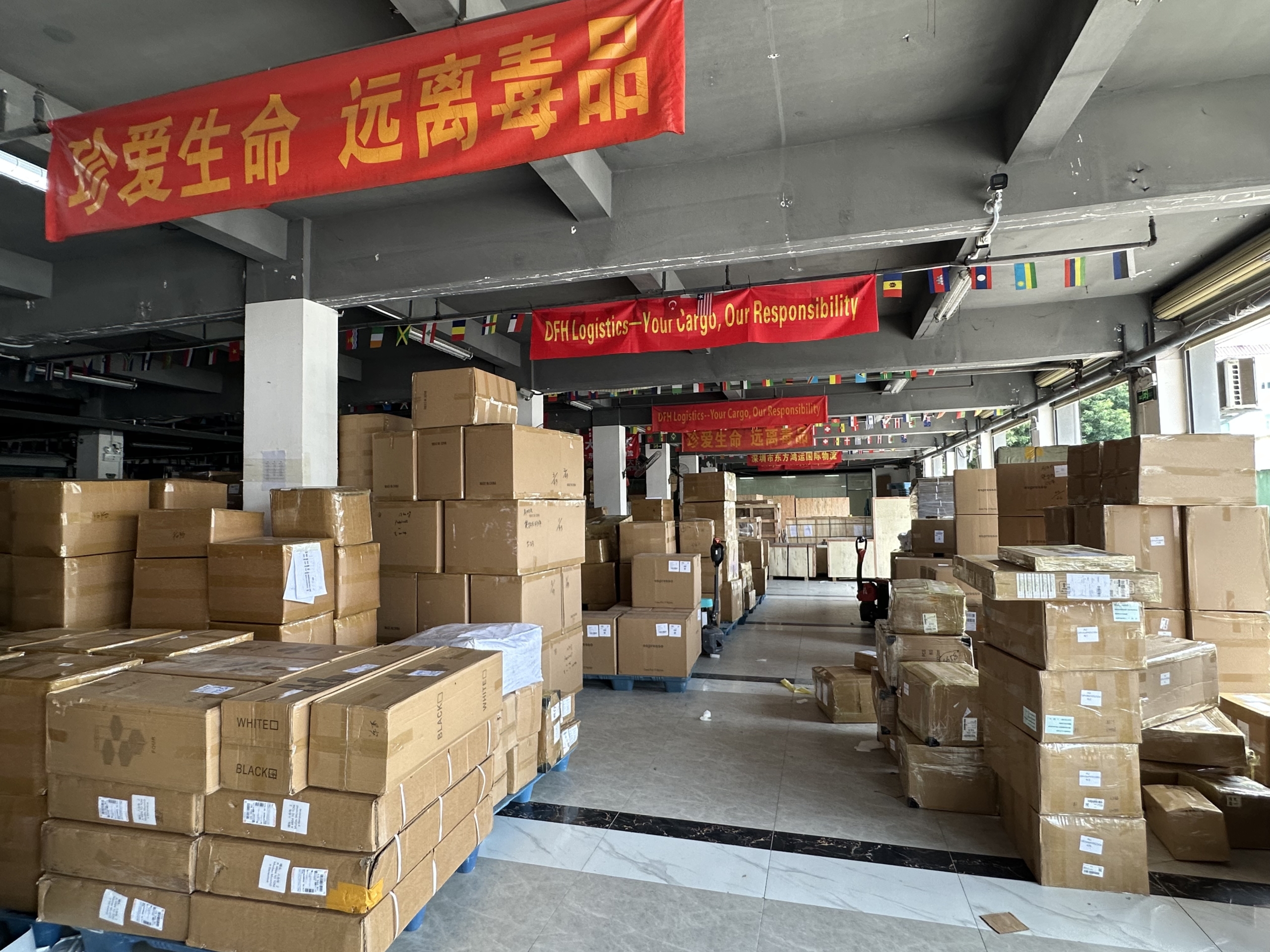
DFH Logistics provides end-to-end logistics solutions for shipping from China to Singapore, covering air freight, sea freight, express, and DDP door-to-door services. With strong operational power and rich experience, we help importers achieve more efficient, safe, and reliable shipping.
About DFH Logistics – China to Singapore Specialist
DFH Logistics, established in 2013, has served more than 10,000 clients shipping from China to Singapore. Whether you are the e-commerce seller, startup or well-established business, we have the capability to provide your customized solution.
| ITEM | DETAILS |
|---|---|
| Headquarters | Shenzhen, China |
| Founded in | 2013 |
| Website | https://dfhfreight.com/ |
| Phone/WhatsApp | +86 18025361450 |
| info@dfhfreight.com; info@dfhlogistics.com | |
| Address | F1,No.7, YingJin Industrial Park North Area, YueSheng 3rd Road, Fuhai Street, FuYong Town, Bao’an District, ShenZhen, GuangDong Province, China. 518103 |
| Main Market | Singapore, USA, Ireland, Italy, Spain, Netherlands, Germany, UK, UAE, Australia, Canada, Europe, South Africa, Philippines, Malaysia, Thailand. |
| Suitable For | Amazon FBA Sellers, Dropshipping, Global Importers and Buyers, Bulk Shipment, Oversized Cargo Shipping, Special Cargo Shipping. |
| Social Medium | Tiktok/youtube/instagram/facebook: @chinafreightforwarderdfh |
DFH Logistics Shipping Services from China to Singapore
Our comprehensive end to end services includes:
- Sea freight shipping from China to Singapore
- Air freight shipping from China to Singapore
- Express shipping from China to Singapore
- Door-to-door shipping from China to Singapore
- Shipping from China to Amazon FBA
- Pickup: collect goods from your multiple suppliers to our warehouse, airport or seaport.
- Consolidation: consolidate goods from your multiple suppliers into one shipment to save your cost.
- Repacking and relabeling: repacking and relabeling to comply with requirements of Singapore customs and e-commerce warehouse inbound.
- Goods inspection: we will check goods quality to see if there is loss or damage, and goods quantity with photo and video recording.
- Warehousing: free 30 days storage with 5000㎡ warehouse .
- Insurance: help clients purchase cargo insurance at competitive premium rates.
- Customs clearance in China and Singapore: professional custom clearance team to help you handle all the paperwork and clearance.
- Duties & GST: under the DDP term, they are prepaid.
- Final delivery: with powerful local delivery force in Singapore, we support door-to-door service to your doorstep.
Global Shipping Experience
DFH Logistics has extensive international shipping experience, with a strong operational focus on China to Singapore logistics. Our other main market includes:
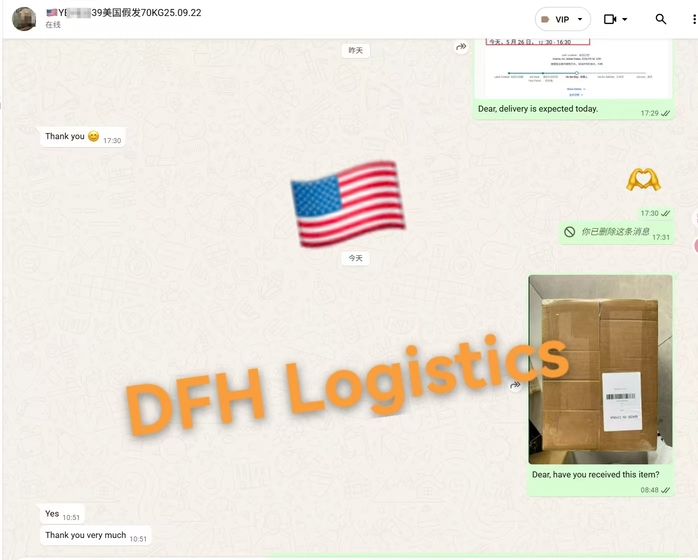
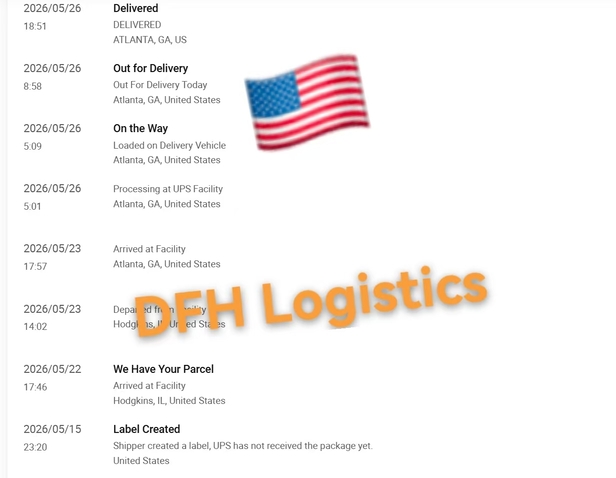
- Shipping from China to USA: Air Freight Door-to-Door Shipping from China to the USA with Delivery in 10 Days
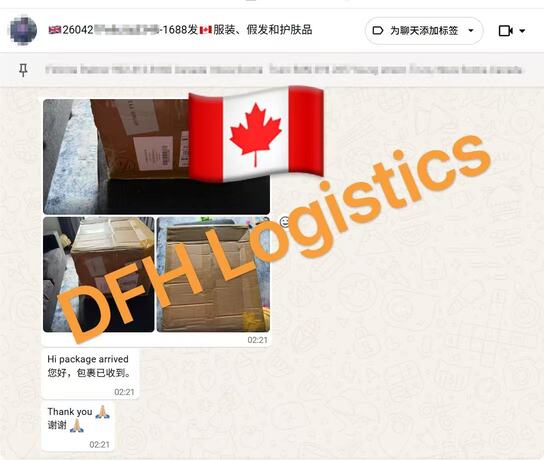
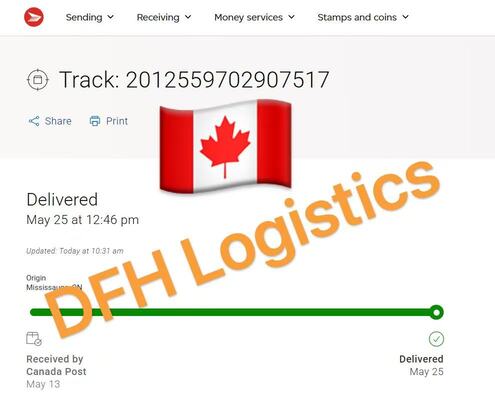
- Shipping from China to Canada: Air Freight DDP Door-to-Door Shipping from China to the Canada with Delivery in 13 Days
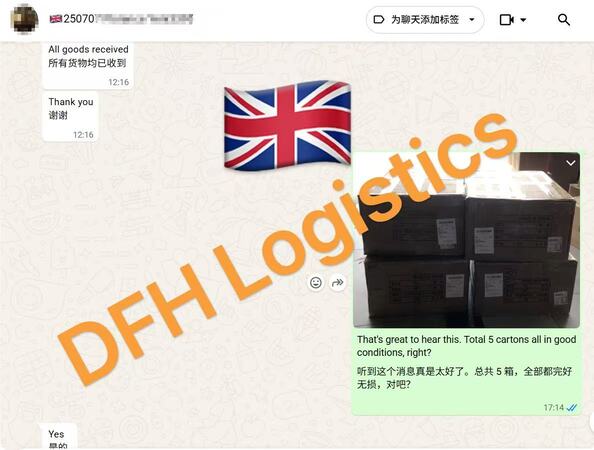
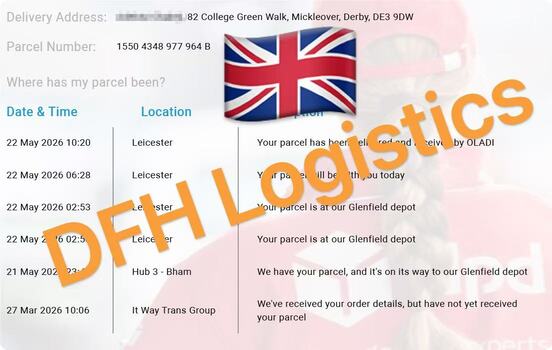
- Shipping from China to UK: Sea Freight DDP Door-to-Door Shipping from China to the UK with Delivery in 55 Days
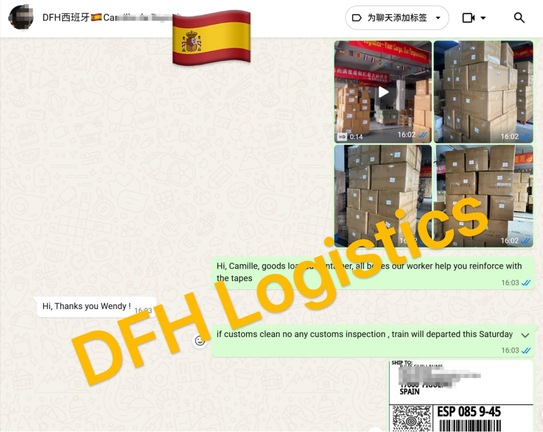
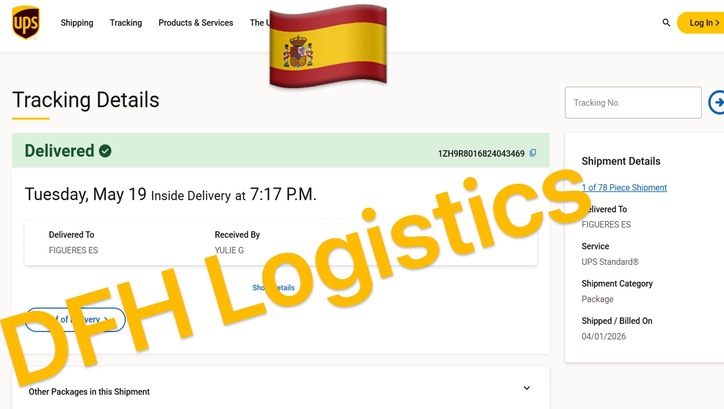
- Shipping from China to Spain: Train Freight DDP Door-to-Door Shipping from China to the Spain with Delivery in 49 Days
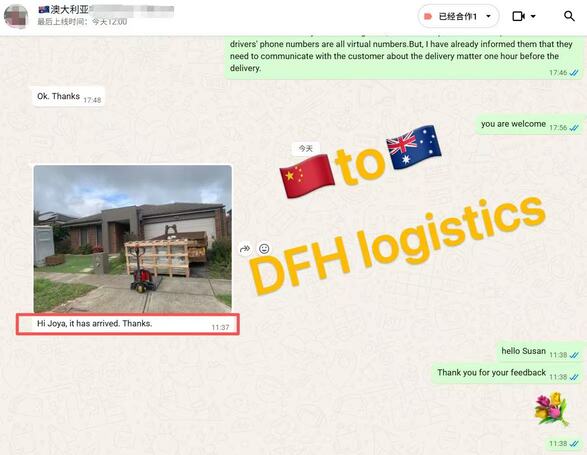
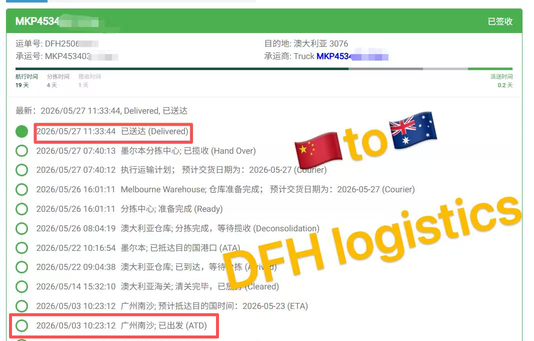
- Shipping from China to Australia: Sea Freight DDP Door-to-Door Shipping from China to the Australia with Delivery in 39 Days
Frequently Asked Questions About Shipping from China to Singapore
1. What is the difference between FCL and LCL shipping from China to Singapore?
FCL (Full Container Load) means you book a full container, which is ideal for large shipments over 25CBM with stable volume and offers lower cost per unit and higher security. LCL (Less than Container Load) is suitable for smaller shipments under 15CBM where goods are consolidated with other importers’ cargo.
2. How far in advance should I book shipping from China to Singapore during peak seasons?
During peak seasons such as Chinese New Year, 11.11, 12.12, and year-end holidays, it is recommended to book shipments at least 2–4 weeks in advance for air freight and 3–6 weeks in advance for sea freight. Early booking helps secure space, avoid rate surges, and reduce the risk of delays caused by high cargo demand and limited carrier capacity.
3. Which types of cargo are more likely to face delays when shipping from China to Singapore?
Cargo that is more likely to experience delays includes oversized or overweight goods, sensitive or restricted items (such as batteries or liquids), and goods requiring special customs inspection. Seasonal peak shipments and consolidated LCL cargo may also face delays due to higher handling volume and warehouse congestion.
4. Why do air freight rates from China to Singapore change frequently?
Air freight prices fluctuate due to changes in airline capacity, fuel costs, seasonal demand, and space availability. During peak shipping periods, rates increase because cargo space becomes limited. External factors such as flight cancellations, global supply chain disruptions, and urgent demand for shipments also contribute to frequent price changes.
5. Can mixed cargo types be shipped together from China to Singapore?
Yes, mixed cargo types can usually be shipped together from China to Singapore through consolidation. However, incompatible or restricted goods (such as batteries, liquids, or hazardous items) may need to be separated and require proper labeling and documentation to comply with shipping and customs regulations.
Final Thoughts
Efficient logistics is key to maintain stable supply chains between China and Singapore. Whether you are shipping small parcels or bulk cargo, working with the right freight forwarder can significantly improve cost control and timeline management.
Get in touch with DFH Logistics today to receive a tailored shipping solution with competitive quotation for your shipment.

