Customs Fees From China to US: Complete Guide for Importers
Customs fees China to US are more than just import duty. They include tariffs, taxes, and extra government charges. If you don’t plan ahead, even small shipments can end up costing far more than expected. So knowing the main fees and how to calculate them can save you both time and money.
What Are Customs Fees From China to US?
When you buy or import goods from China, you need to pay customs fees. They include import taxes, tariffs, and other government charges. These fees are charged by US Customs when your shipment enters the country.
The exact amount depends on your product, its value, and shipping method. Some shipments may have extra fees, so the total can be higher than you expect.
Types of Customs Fees From China
When you import from China, knowing each fee will help you understand why your total bill is higher than expected. Below, I’ll show you the main types of customs tax from China to US one by one.
Import Duty
Import duty is the main tax on imported goods. It is calculated based on your product type and HS code. Different products have different duty rates. Some items are duty-free, while others are not.
Import Taxes
Import tax is a value-based tax on your shipment. This is often confused with import duty, but they are not the same. It is usually calculated from product value + import duty.
Section 301 Tariffs
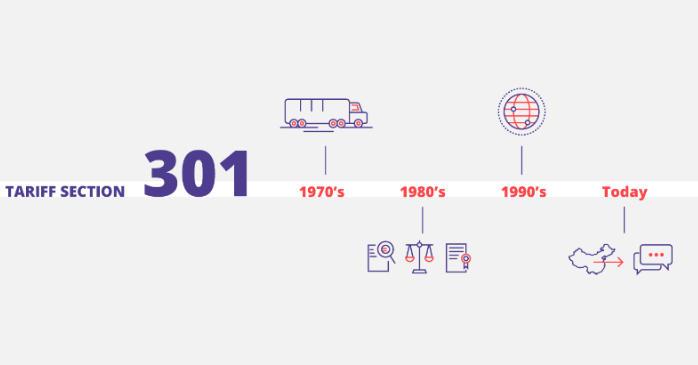
The Section 301 tariff is an additional charge levied on specific Chinese goods, in addition to regular import tariffs. These protective tax rates vary significantly depending on the product category. While many goods still face a premium of 7.5% to 25%, recent strategic adjustments have increased the import costs of some high-tech or industrial goods by 50% to 100%.
Customs Service Fees (MPF & HMF)
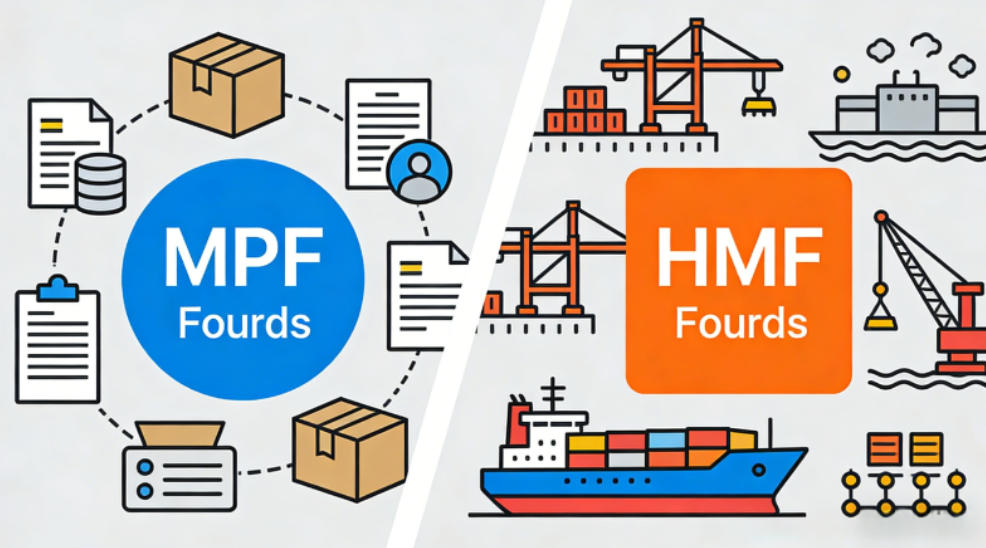
MPF and HMF are U.S. Customs administrative fees. MPF applies to most shipments. HMF applies only to ocean freight imports.
They are fixed government fees, so it’s not negotiable. Even low-value shipments may still pay them.
Customs Broker Fees
This is a service cost, not a tax. The customs broker will handle clearance for your shipment. They prepare documents and communicate with customs. If you choose DDP shipping, this is often included.
Customs Bond Fees
Customs bonds are generally required for high-value cargo. It serves as a guarantee to U.S. Customs and helps ensure smooth customs clearance. You can choose to pay it yearly or per shipment.
Customs Inspection Fees
Customs officials may conduct spot checks on your shipments. The inspections may be random or based on risk management requirements. In such cases, you may be required to pay additional customs inspection fees.

What Affects Customs Fees From China to US?
The total cost of importing from China is affected by several factors, like product type, shipment value, and so on. These factors also explain why China duty rates and import duty rates from China to USA can vary from one shipment to another.
Then, I’ll explain each factor in detail for you:
Product Type and HS Code
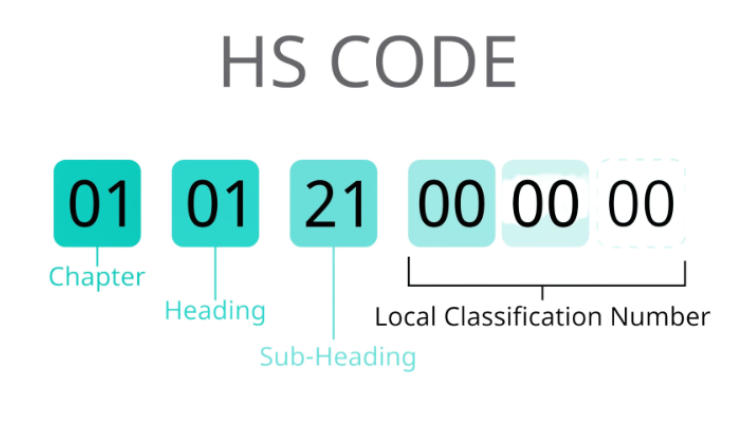
The product type is the most important factor. Customs will determine the tariff rate based on the HS code. Some products are exempt from tariffs, and others are subject to high rates. So, you must verify the HS code carefully. An incorrect code can lead to unexpected cost increases.
Product Value
Customs duties usually depend on the value of the goods. The higher value of your goods, the higher customs duties and import taxes will be.
Country of Origin
The US applies different tariffs for different countries. Chinese goods may face extra tariffs like Section 301. You should know this because it can help you estimate total customs fees more accurately.
Shipping Method
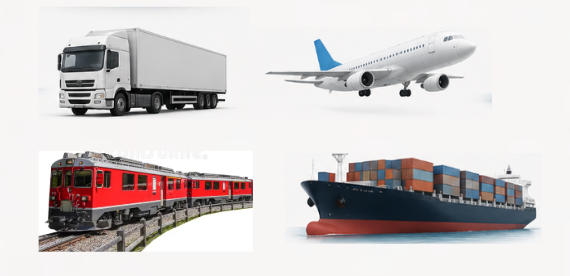
How you ship also affects customs fees. If you choose air freight, it may have faster clearance but higher MPF/HMF fees. If you choose ocean freight, it’s cheaper but may add handling charges.
Shipping Term
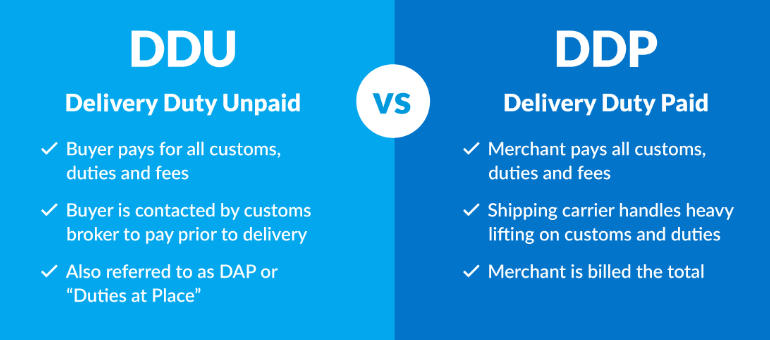
Your shipping terms also matter. For example, with DDP shipping, the seller usually pays customs duties and taxes. With DDU (DAP) shipping, the buyer (you) is responsible for these fees.
Trade Policies
Trade policies, such as Section 301 tariffs, can increase additional costs. And anti-dumping and countervailing duties can lead to unexpected punitive charges.
Because these policies and regulations change frequently, the same type of product may face drastically different tariff rates at different times. Therefore, it is important to know the real-time tariff rates to avoid unexpected costs during customs clearance.
Wrong Documents
If the documents are incorrect or the cargo information is incomplete, customs may charge additional fees. So, providing the correct documents and information can help avoid additional costs.

If you’re not sure how to check or calculate your customs fees and import taxes, it’s always a good idea to ask your freight forwarder. They can give you an itemized estimate and explain the charges clearly, so you can avoid surprises during customs clearance.
How to Calculate the Customs Fees?
Calculating customs fees seem tricky at first. But if you understand the main components, it becomes much easier.
Step-by-Step Calculation
Step 1: Find the HS Code
The HS code is a 6–10 digit number that classifies your product and sets the base import duty. You can look it up using the U.S. HTS database or CBP tools.
Step 2: Check the Duty Rate
Once you know the HS code, check the duty percentage. Rates usually range from 0% to 25%+, depending on the product and its origin.
Step 3:Calculate the CIF Value
CIF is the total landed value for customs, including product cost, shipping, and insurance. In short, CIF = Product Cost + Shipping + Insurance.
Step 4: Calculate the Customs Duty
Multiply the CIF value by the duty rate to get your estimated customs duty. Customs Duty = CIF Value × Duty Rate.
Step 5: Calculate Total Customs Fees
Finally, add any other import charges, such as import taxes, MPF, HMF, or tariffs. Total Customs Fees = (CIF Value × Duty Rate) + Import Taxes + MPF + HMF + Tariffs.
Example: Calculating Customs Fees for a Product from China
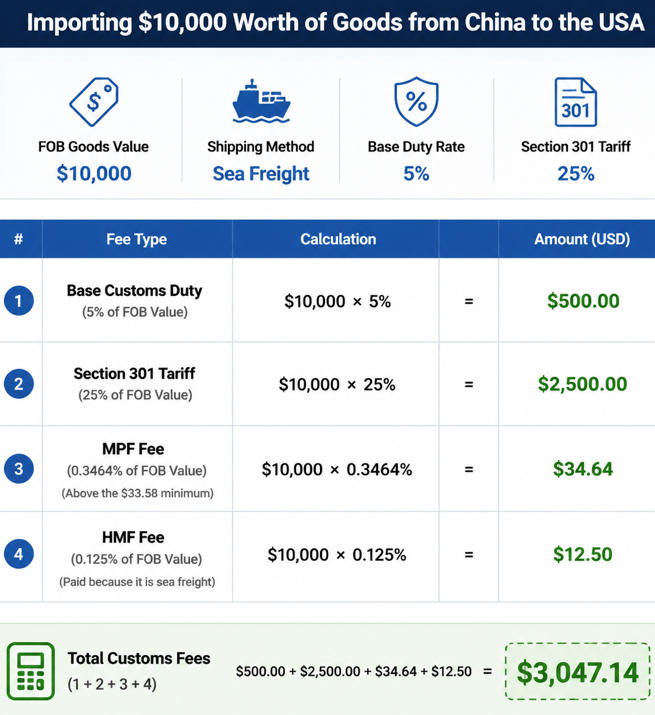
Let’s look at an example of importing $10,000 worth of goods from China to the USA. We will assume you are shipping by sea freight, your base duty is 5%(based on the HS code), and your product faces a 25% Section 301 tariff.
For this example, we assume shipping and insurance are not added separately, so FOB is treated as the CIF value for simplicity.
Let me show you how to calculate the total customs fees from China to USA:
- Your FOB Goods Value: $10,000.
- Your Base Customs Duty: $10,000 × 5% = $500.
- Your Section 301 Tariff: $10,000 × 25% = $2,500.
- Your MPF Fee: $10,000 × 0.3464% = $34.64 (Above the $33.58 minimum).
- Your HMF Fee: $10,000 × 0.125% = $12.50 (Paid because it is sea freight).
Total Customs Fees: $500 + $2,500 + $34.64 + $12.50 = $3,047.14
To help you understand better, here is an example in the form of an image:
How to Reduce Customs Fees Legally?
You can reduce customs tax from China to US legally by planning your shipment in the right way. The key is not to avoid tax, but to use correct classification and cost planning.
1. Use the Correct HS Code
You should check your HS code first because it decides your import duty from China. Picking the right code can lower your basic tariff.
2. Optimize Your Product Value Declaration
The amount of customs duty depends on your declared value. Please be sure to declare the actual transaction value to avoid incurring additional Chinese import duties. And do not underreport the declared value, otherwise you may face fines or delays in delivery.
3. Choose right Shipping Method
If your shipment is not urgent, you can choose sea or rail transport, as the shipping costs will be lower.
4. Check Extra Tariffs Before You Ship
You should first check whether your product is affected by Section 301 or any anti-dumping tariffs.
Then you can use a China to US tariff calculator or the official HTS tools to find the current rates more accurately.
5. Work With a Reliable Freight Forwarder
You can also work with an experienced freight forwarder to help you calculate your total landed cost. They understand import duty rates from China to USA and all customs rules, making the clearance process much easier for you.
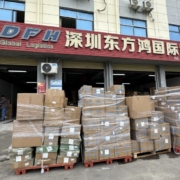
Such as DFH Freight, which has handled over 50,000 international shipments and served more than 30,000 clients across 150+ countries. This experience helps them provide more accurate customs fee estimates and practical shipping solutions for you.

Real comments about DFH Freight:

FAQs About Customs Fees From China to US
Q1: Is China Suspending The 24% Tariff On US Goods?
Yes, China has officially suspended the additional 24% tariff on selected US goods for one year following bilateral consultations. However, a 10% levy remains in place on those items. Since trade relations shift frequently, you should always check the latest Chinese State Council announcements for live updates.
Q2: Is China’s Tariff 10% or 35%?
China uses a multi-tiered tariff system, so rates depend completely on the product category. For standard global imports, rates often sit around 10%, though luxury or heavily protected goods can easily hit 35% or higher. For imports arriving specifically from the US, you must add extra trade-war retaliatory tariffs on top of these base numbers.
Q3: Does CBP Audit Imports from China More Closely?
Yes, U.S. Customs and Border Protection (CBP) audits shipments from China much more strictly than from other regions. Because of strict trade compliance policies and anti-circumvention enforcement, authorities heavily scrutinize Chinese invoices, HS codes, and country-of-origin documentation to prevent tax evasion.
Q4: Can I Refuse to Pay Import Duty?
No, you cannot refuse to pay import duties if you want your goods. Customs authorities will legally hold your shipment until all outstanding duties and taxes are fully cleared. If you abandon the package and refuse payment, your goods will face seizure, destruction, or heavy storage fines.
Q5: Can I Prepay Customs Fees?
Yes, you can easily prepay your customs fees by choosing specific shipping terms like DDP (Delivered Duty Paid). Many international freight forwarders and express couriers allow you to pay all duties and taxes upfront during booking. This creates a much smoother delivery process and eliminates surprise charges at the border.
Q6: Do Returns or Exchanges Affect Customs Fees?
Yes, if goods are returned, you may reclaim some duties through CBP procedures. You should keep all documentation for proof and refunds.
Q7: Do Small Shipments Pay Customs Fees?
Yes, every single small shipment from China to the US must now pay customs fees. Following the expiration of the $800 de minimis exemption rule, low-value e-commerce packages no longer enter duty-free. Even a single, low-cost parcel will incur product-specific import duties and mandatory handling fees at the US border.
Final Thoughts
Managing customs fees China to US is much easier when you understand everything I mentioned above. Once you know how duties, taxes, and tariffs work, you can plan your imports more confidently.
If you want expert guidance, you can work with a reliable freight forwarder like DFH Freight. They can help you estimate your total customs costs, handle the entire border clearance process for you, and make your shipping journey smoother from start to finish.