Rail Freight From China to Europe: Complete Guide for Importers
Shipping goods from China to Europe can be challenging when you need a balance between cost and delivery speed. Sea freight is affordable but often takes too long, while air freight is fast but expensive. Rail freight from China to Europe provides a middle solution, helping importers move cargo faster than sea shipping while keeping costs lower than air freight.
What Is Rail Freight From China to Europe?
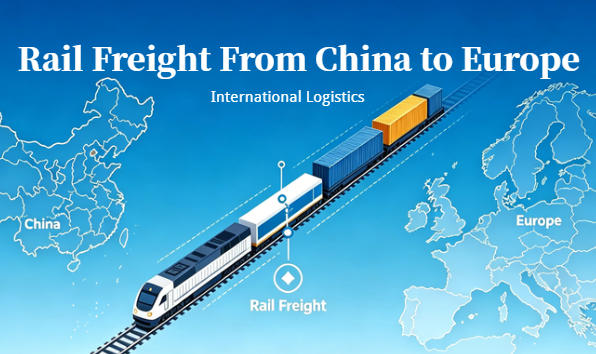
Rail freight from China to Europe is a shipping method that transports goods between China and Europe by train. It connects major manufacturing cities in China with European markets. And it is often chosen by importers who need faster delivery than sea freight but lower costs than air freight.
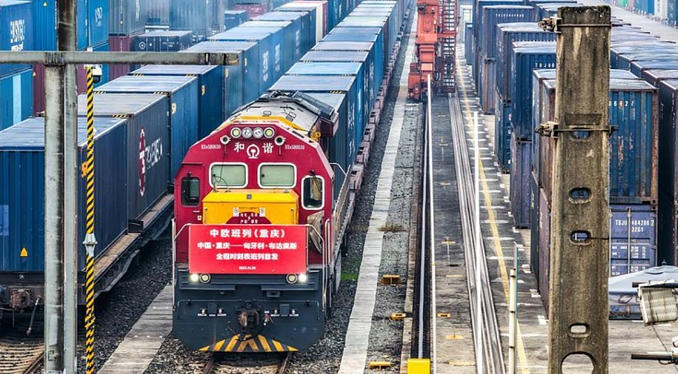
The service is mainly supported by the China-Europe Railway Express, which uses international railway networks to move containerized cargo across countries such as Kazakhstan, Russia, and Poland before reaching Europe.
Why Choose Rail Freight From China to Europe?
Rail freight from China to Europe is a popular choice for importers who need a balance between shipping speed and cost.
The main reasons why businesses choose rail shipping include:
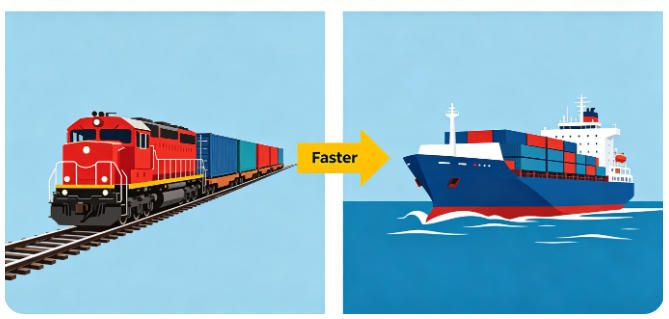
1. Faster Than Sea Freight
For many businesses, rail freight offers shorter transit times than sea freight, it help improve inventory turnover, reduce stock shortages, and respond faster to customer demand.
2. Lower Cost Than Air Freight
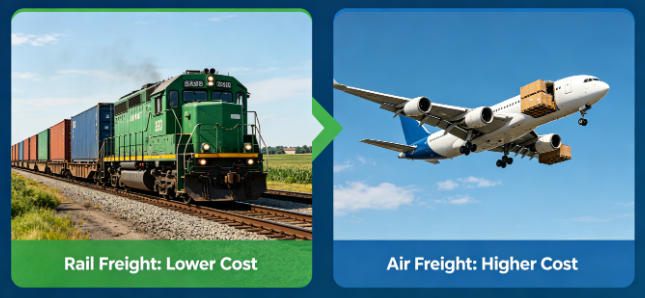
Air freight provides the fastest delivery, but the cost can be too high for regular or larger shipments.
Rail freight offers a more affordable alternative, allowing you to transport commercial goods at a lower cost while still getting faster delivery than sea freight.
3. More Reliable Transit Time
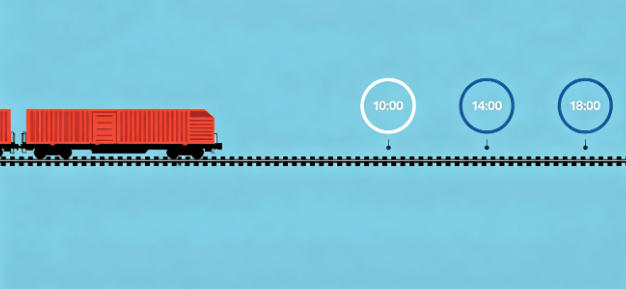
Rail freight typically operates on fixed routes and timetables, making delivery times easier to predict compared to some sea freight methods.
A more stable transport timetable helps you plan inventory, warehouse operations, and customer deliveries, reducing unexpected delays.
Rail Freight vs Sea Freight vs Air Freight From China to Europe
Choosing the right shipping method depends on your budget, delivery time, and cargo requirements.
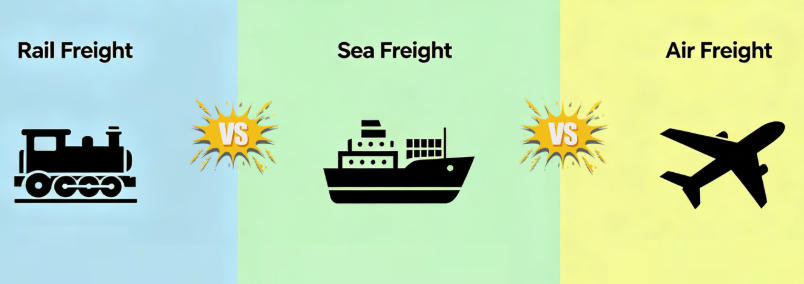
| Shipping Method | Speed | Cost | Best For |
|---|---|---|---|
| Air freight | Fastest | Highest | Urgent and high-value shipments |
| Rail Freight | Medium | Medium | Balanced cost and delivery speed |
| Sea freight | Slowest | Lowest | Large-volume and less urgent shipments |
If you are looking for a more cost-effective mode of transportation, then rail transport is a good option.
How Long Does Rail Freight Take From China to Europe?
Rail freight from China to Europe typically takes 25-35 days, although the exact transit time can vary depending on the shipping route, destination, customs process, and other factors.
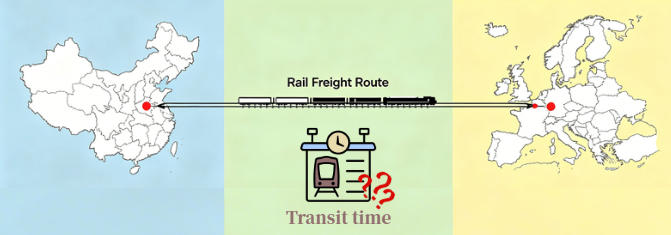
Below is a general reference for typical transit times:
| Destination Countries | Reference Shipping Time (door-to-door) |
|---|---|
| Netherlands, Poland, Belgium, Luxembourg, Czech Republic, Austria | ~ 28–32 days |
| Germany | ~ 25–30 days |
| France, Denmark, Italy, Spain, Sweden, Finland, Hungary, Bulgaria, Estonia, Latvia, Lithuania, Greece, Croatia, Slovenia, Slovakia, Portugal, Ireland | ~ 28–35 days |
Here are several main factors that can affect how long your shipment takes:
-
Departure City in China
The departure location can affect transit time because different railway hubs have different routes and schedules. For example, shipments from major rail hubs like Xi’an, Chengdu, or Chongqing may have more frequent China-Europe train services.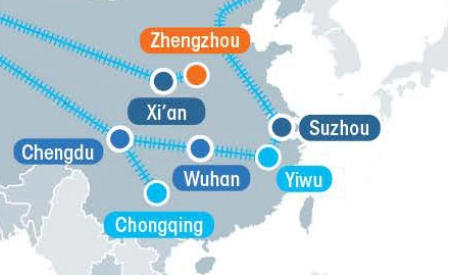
-
Destination location in Europe
The final delivery location affects the total transit time. Shipping to major logistics hubs, such as Germany or Poland, is usually faster than delivering to more remote areas.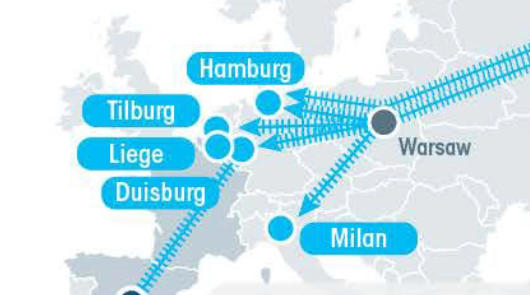
-
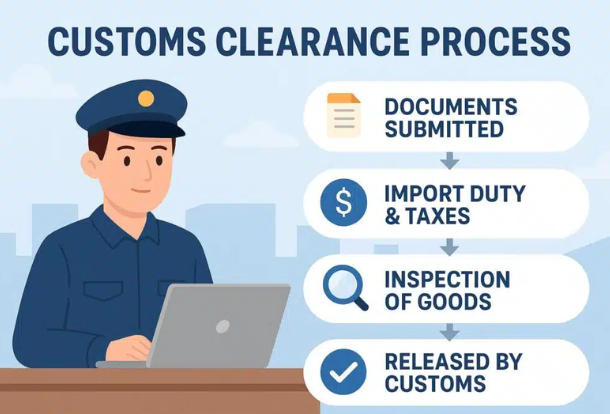
Customs Clearance Process
Customs procedures can cause delays if shipping documents are incomplete or additional inspections are required. Preparing documents correctly in advance can help avoid unnecessary waiting time at borders.
-
Border Procedures and Route Changes
China-Europe rail freight may pass through multiple countries, and border checks, container transfers, or railway operations at different points can affect the final delivery schedule. -
Carrier Schedule and Rail Capacity
Train frequency and available capacity can influence when your cargo is loaded and transported. During busy periods, limited space may lead to longer waiting times. -
Seasonal Demand
Peak shipping seasons, such as before major holidays such as Christmas, Black Friday, Chinese New Year, and other major holidays, can increase demand for rail capacity and affect transit times. Booking your shipment earlier can help you secure available space and avoid possible delays during busy periods.
-
Weather Conditions
Although rail freight is generally stable, extreme weather such as snow or storms may sometimes cause minor delays at certain rail sections or border crossings along the China-Europe route. -
Type of Service You Choose
Door-to-door rail freight usually takes longer than rail terminal-to-terminal shipping because it includes pickup, customs handling, and final delivery.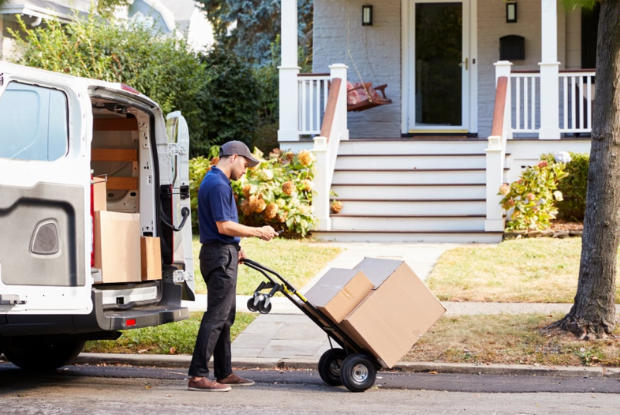
If you want more accurate timing for your cargo, it is always recommended to check with your freight forwarder before booking, as they can provide the most updated schedule based on your shipment details and current rail capacity.
Main Rail Freight Routes From China to Europe
Rail freight from China to Europe runs through several fixed international corridors, forming the backbone of the China-Europe Railway Express network. These routes connect major Chinese industrial cities with key logistics hubs in Europe.
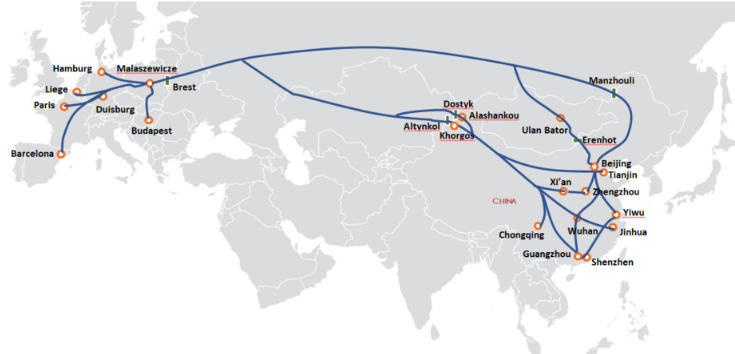
For importers, understanding the main routes helps you estimate transit time, choose the right departure city, and better plan your supply chain when using rail freight from China to Europe.
Main Route of China-Europe Rail Freight
1. Northern Route (Most Common Corridor)
The Northern Route is one of the most widely used paths in the China-Europe railway express network. It passes through Central Asia and Russia before entering Europe.
Typical path: China → Kazakhstan → Russia → Belarus → Europe(Destinations like Germany/Poland/Netherland)
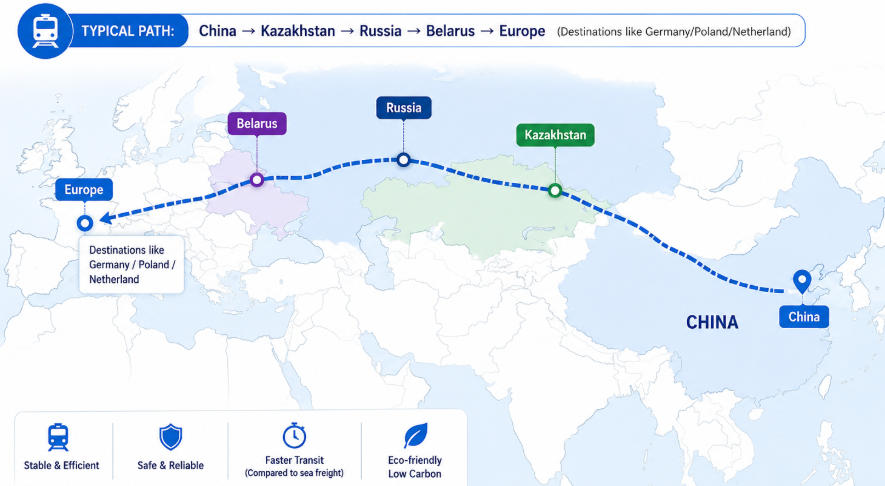
This route is often used for standard rail China-Europe shipments because it offers stable rail infrastructure and frequent train schedules.
2. Central Route (Balanced Speed and Stability)
The Central Route is another key option for train freight from China to Europe, offering a balance between distance and efficiency.
Typical path: China → Kazakhstan → Russia → Poland → Central Europe(Destinations like Germany/Czech Republic/Austria)
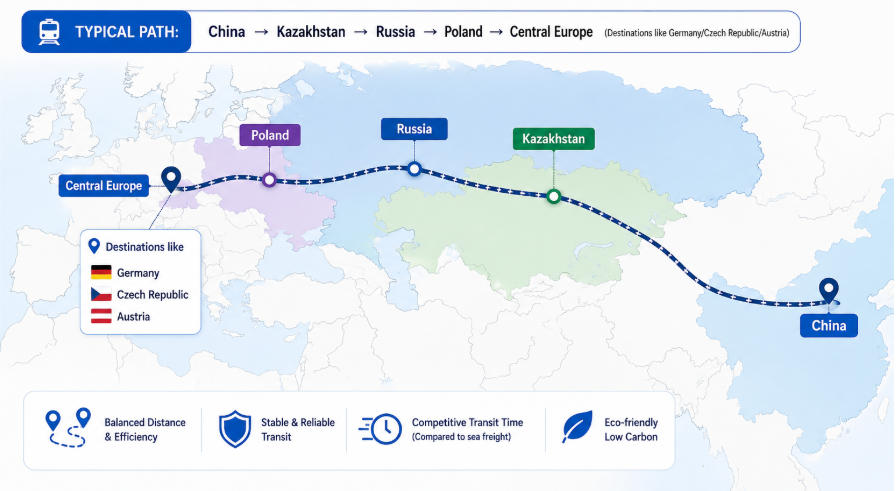
This route is widely used for china europe rail freight shipments going to Central and Western Europe.
3. Southern Route (More Flexible but Less Common)
The Southern Route is less common but can be useful depending on rail capacity and regional logistics conditions.
Typical path:
China → Kazakhstan → Turkmenistan / Iran → Turkey → Southern Europe
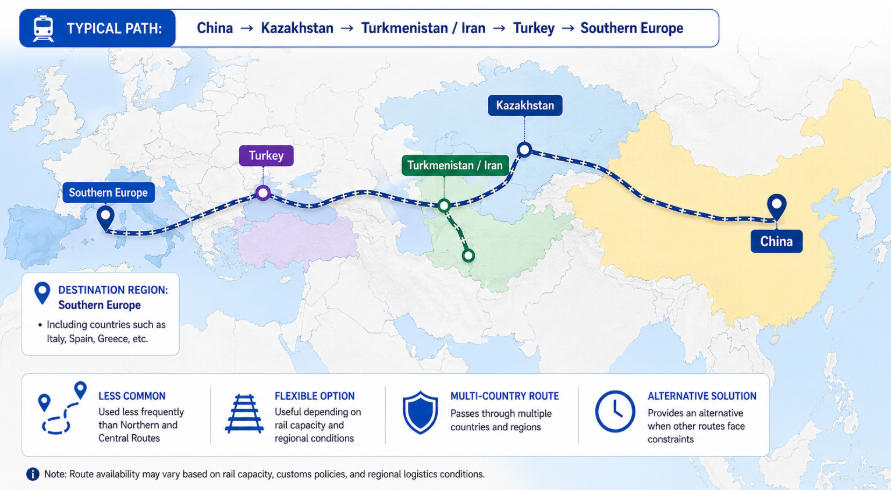
This route is sometimes used when Northern Rail capacity is tight or when shipments are destined for southern European markets such as Italy, Spain, and Greece.
Main Departure Cities in China
Most railroad shipments from China to Europe start from major inland logistics hubs in China.
Popular departure cities include:
| City | Role in Rail Freight Network |
|---|---|
| Xi’an | One of the largest hubs with frequent China-Europe rail departures |
| Chengdu | An important western China logistics center with stable rail connections |
| Chongqing | Major inland port city with strong international rail capacity |
| Yiwu | Export-focused city known for small goods and e-commerce shipments |
| Zhengzhou | Strategic railway hub connecting central China to Europe routes |
These cities are key nodes in the train from China to Europe network and support regular rail departures to Europe.
Key Europe Arrival Hubs
On the European side, rail freight from China usually arrives at major inland terminals before final delivery.
Common hubs include:
| Hub City | Country | Role in Rail Freight Network |
|---|---|---|
| Duisburg | Germany | One of the largest China-Europe rail logistics hubs in Europe |
| Hamburg | Germany | Major port and rail terminal for distribution across Europe |
| Warsaw | Poland | Key transit hub connecting Eastern and Western Europe rail routes |
| Madrid | Spain | Important southern Europe distribution center for rail freight cargo |
In simple terms, rail freight from China to Europe mainly runs through three stable corridors, with the Northern and Central routes being the most commonly used in the rail China Europe network.
How Much Does Rail Freight From China to Europe Cost?
Rail freight pricing from China to Europe is usually calculated based on service type rather than a single fixed rate. Each option includes different levels of handling, speed, and service coverage within the China-Europe Railway Express network.
Below is a general cost for you to reference:
| Service Type | Cost Range | Details |
|---|---|---|
| Standard Rail Freight | ~ $1.50–$2.50 per kg | General cargo on regular China-Europe railway routes. |
| Temperature-Sensitive Freight | ~ $2.00–$4.00 per kg | Includes special handling for goods like food or sensitive products. |
| Oversized Freight | Varies by dimensions | Pricing depends on size, weight, and special handling requirements. |
| Full Container Load (FCL) | ~ $6,000–$8,000 per 40HQ container (Prices are lower in the off-season and higher in the peak season.) | Suitable for bulk shipments with dedicated container space. |
| Less Than Container Load (LCL) | ~ $150–$400 per CBM | Shared container shipping is ideal for smaller cargo volumes. |
| Door-to-Door (DDP Services) | ~ $1.90–$3.80 per kg | All-inclusive service covering customs, tax, and final delivery in Europe. |
For reference only. Freight rates can vary based on carrier capacity, fuel prices, seasonal demand, and market conditions. The final price is also affected by factors such as shipment weight, package dimensions, oversized cargo (such as items over 3 meters), product type, batteries, magnets, liquids, branded goods, and packaging methods like cartons, wooden crates, or irregular packaging. You can request a current, itemised quote from your freight forwarder or contact us directly for accurate pricing.
How to Reduce Rail Freight Costs From China to Europe?
Reducing rail freight from China to Europe cost is not just about finding the cheapest rate. It’s more about how you plan your shipment, choose your service, and time your booking in the china europe rail freight system.
If you make the right decisions, you can often lower your total logistics cost without affecting delivery performance.
1. Choose the Right Shipping Method
If your cargo is small, you don’t need to book a full container. LCL can help you avoid paying for unused space. If your shipment is large, FCL is usually more cost-efficient per unit.
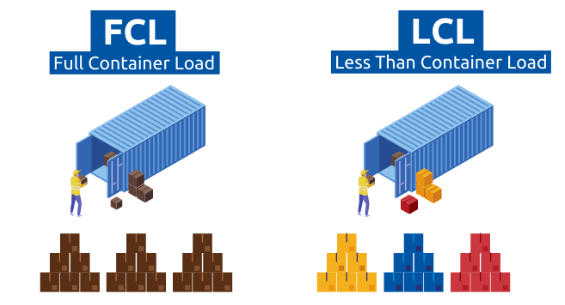
In addition, door-to-door service is convenient, but it includes more handling and customs steps, which can increase the total cost of train freight from China to Europe shipments.
2. Consolidate Your Shipments
If you often import from China, sending several small shipments separately can increase your overall cost. Consolidating orders into one larger shipment helps you use container space more efficiently and lowers the average cost per unit.
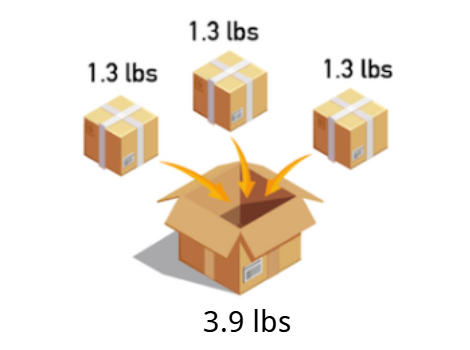
Many importers on the China-Europe rail transport network use this method to control long-term logistics costs.
3. Book Your Shipment in Advance
If you book early, you usually get more stable pricing and better space availability. Last-minute bookings often cost more because rail capacity is limited. When you plan ahead, you also have more flexibility to choose better routes in the china europe railway express system.
4. Avoid Peak Shipping Seasons
If you can, try to avoid peak periods like Christmas, Black Friday, and Chinese New Year. During these times, demand increases and prices often go up in the china europe rail freight market. Booking outside peak seasons usually gives you more stable rates.
5. Optimize Packaging and Cargo Volume
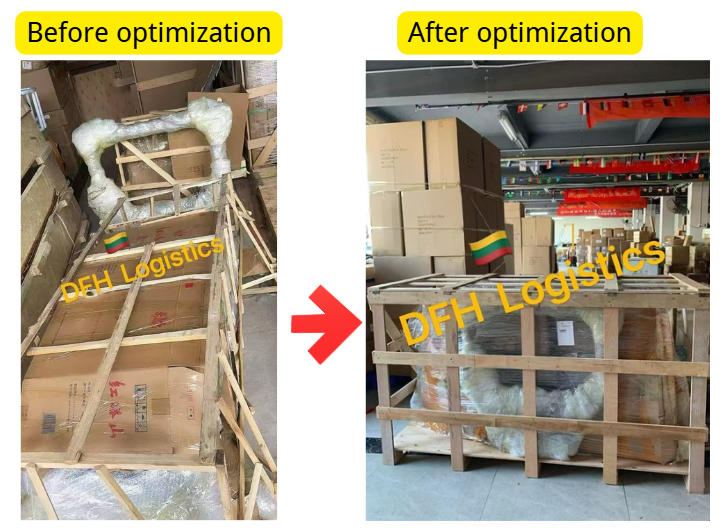
If your packaging is too large, you may end up paying for the empty space. You should minimize unnecessary packaging and use standard pallet sizes whenever possible.
6. Compare Routes and Service Levels
Different routes and service options don’t cost the same. Some routes are faster but more expensive, while others are more budget-friendly but slightly slower.
If you compare options carefully, you can choose the one that fits your budget and delivery needs for train from China to Europe logistics.
7. Work with an Experienced Freight Forwarder
If you work with an Experienced freight forwarder like DFH Freight, you can often reduce hidden costs. They can help you choose better routes, handle customs properly, and avoid unnecessary fees.
Why Choose DFH Freight for Rail Freight From China to Europe?
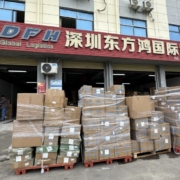
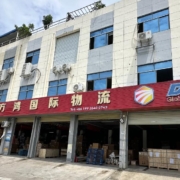
Choosing the right freight forwarder is just as important as choosing the right shipping method. DFH Freight can help businesses arrange rail freight from China to Europe with flexible solutions based on cargo type, destination, budget, and delivery needs.
From route planning and customs support to door-to-door delivery, we help simplify your international rail shipping process.
Advantages of DFH Freight:
-
Experience With China-Europe Rail Routes
DFH Freight has 13+ years of logistics experience, served 30,000+ customers, handled 50,000+ shipments, and supported businesses in 150+ countries and regions. -
Door-to-Door Rail Shipping Capability
From supplier pickup and customs clearance to final delivery, DFH Freight helps you manage the complete rail freight from China to Europe shipping process. -
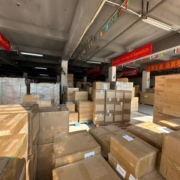
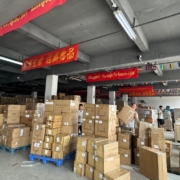
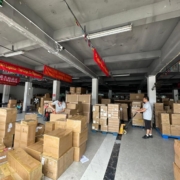
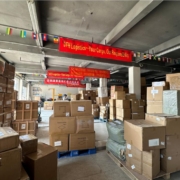
30-Day Free Warehouse Storage
DFH Freight provides 30 days of free warehouse storage, giving you more flexibility to arrange shipments and manage inventory before delivery. -
Customs Clearance Support
DFH Freight helps you prepare shipping documents and handle customs procedures to reduce delays and keep your cargo moving smoothly. -
Cargo Tracking Ability
You can track your shipment status throughout the journey, giving you better visibility from departure in China to final delivery in Europe. -
Transparent Pricing and Flexible Options
DFH Freight provides clear quotes and flexible solutions, including LCL, FCL, and DDP rail freight options based on your cargo needs.
If you are looking for a reliable partner for rail freight from China to Europe, DFH Freight is a smart choice. Contact DFH Freight to discuss your shipment requirements and get a suitable rail freight solution.
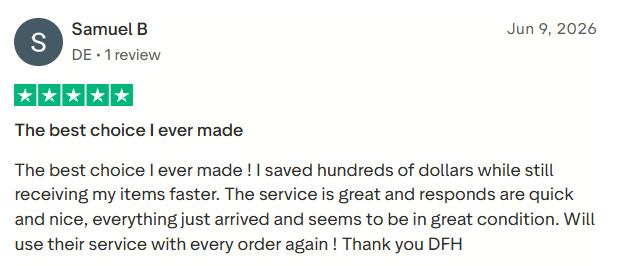
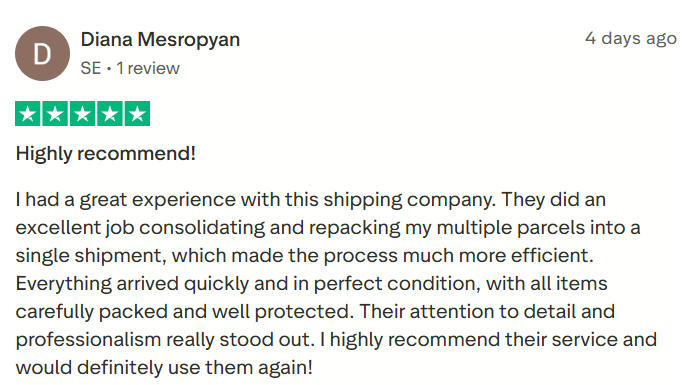
Customer Reviews

Successful Shipping Cases
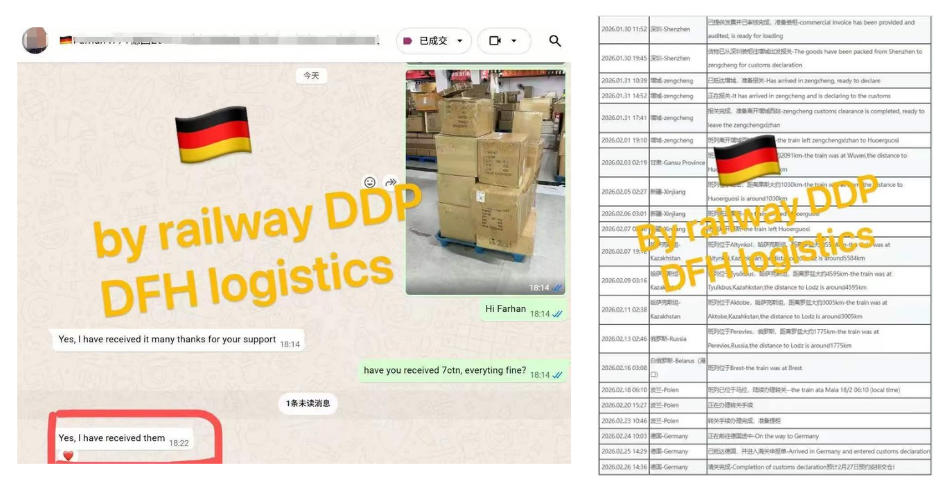
1. Rail DDP door-to-door service from China to Germany:
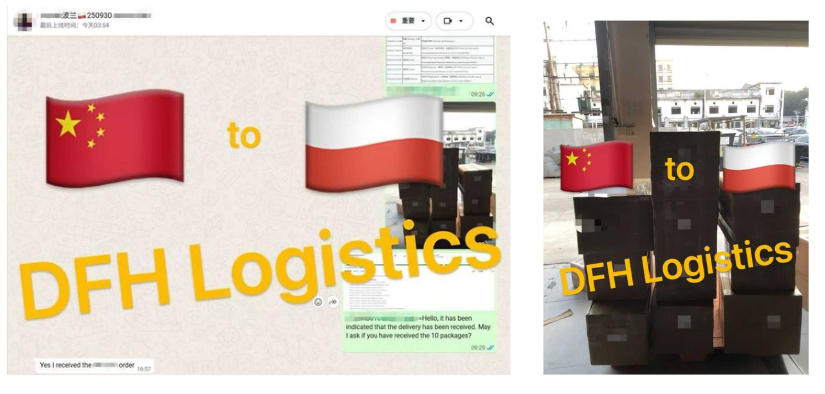
2. Railway door-to-door from China to Poland:
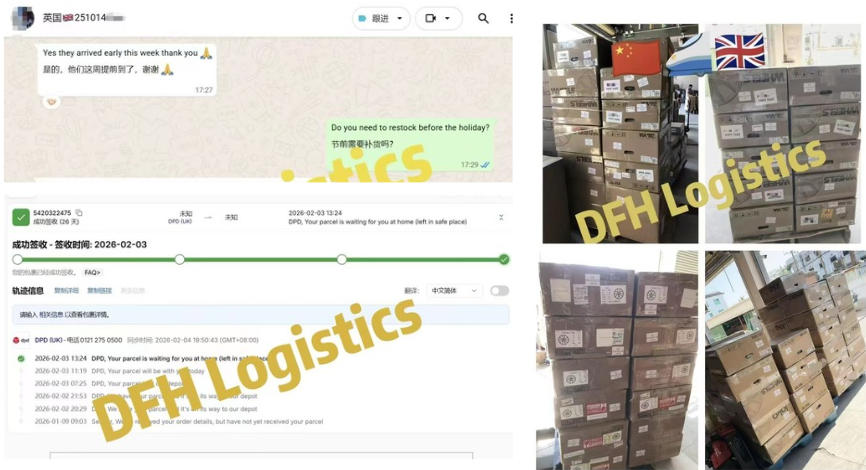
3. Railway transportation of 148 car wheel from China to UK:
What Products Can You Ship by Rail From China to Europe?
Rail freight from China to Europe can transport a wide range of commercial goods, such as electronics, machinery parts, and clothing products.

Below is a clearer overview of the most common product types shipped via china europe rail freight:
| Product Category | Examples | Why Choose Rail Freight |
|---|---|---|
| Electronics and Electrical Products | Computers, monitors, cameras, electronic components | Faster delivery helps reduce inventory pressure for high-value products |
| Automotive Parts | Auto components, spare parts, vehicle accessories | Stable schedules support regular supply chain needs |
| Machinery and Industrial Equipment | Manufacturing equipment, tools, machine parts | Suitable for heavier cargo that does not require urgent delivery |
| Consumer Goods | Furniture, home products, daily-use items | Offers a good balance between cost and delivery time |
| Clothing and Textiles | Garments, fabrics, shoes, bags | Helps businesses prepare seasonal inventory more efficiently |
| E-commerce Products | Consumer electronics, accessories, general merchandise | A cost-effective option for sellers who need faster delivery than sea freight |
| Solar and Energy Equipment | Solar panels, related equipment, energy products | Suitable for planned, large-volume shipments |
Restricted and Prohibited Goods for Rail Freight From China to Europe
Rail freight from China to Europe has clear shipping rules, and not all goods are allowed to be transported. Some products are fully prohibited, while others require special approval, documents, or handling conditions within the China-Europe rail freight system.

Before booking, you should always check whether your cargo meets rail transport and customs regulations to avoid delays or shipment rejection.
Restricted and Prohibited Goods for Rail Freight
| Product Type | Examples | Shipping Status | Notes |
|---|---|---|---|
| Dangerous Goods | Explosives, flammable liquids, and gas cylinders | Prohibited | Not allowed on most rail routes |
| Chemicals | Industrial chemicals, corrosive substances | Restricted | Requires safety data sheets and approval |
| Batteries | Lithium batteries, power banks (bulk) | Restricted | Must meet strict packaging and certification rules |
| Weapons and Weapons Parts | Firearms, ammunition, weapon components | Prohibited | Not accepted under international rail transport rules |
| Illegal or Controlled Items | Drugs, counterfeit goods | Prohibited | Not allowed under any circumstances |
| Food Products | Fresh food, meat, dairy | Restricted | May require temperature control and import permits |
| Liquids and Powders | Cosmetics, liquids, chemical powders | Restricted | Must follow packaging and customs regulations |
| High-Value Sensitive Goods | Cash, precious metals, jewelry | Restricted | Often require special insurance and declaration |
If you are unsure, it is always better to confirm with your freight forwarder before shipping to avoid delays or cargo rejection.
How Does Rail Freight Shipping From China to Europe Work?
Rail freight from China to Europe usually follows a simple but structured process from pickup in China to final delivery in Europe. Although it looks complex at first, most steps are handled by your freight forwarder within the China-Europe rail freight system.
Below is the process of how a typical shipment is managed from China to Europe.
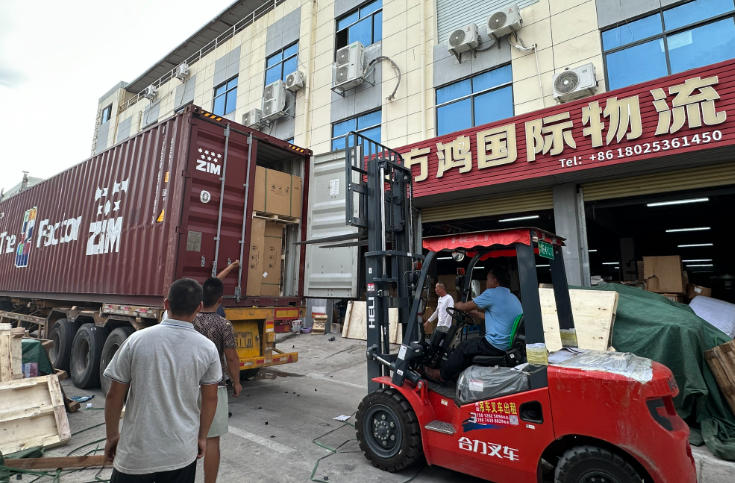
Step 1: Cargo Pickup from the China Supplier
Your freight forwarder, like DFH Freight, arranges pickup directly from your supplier or factory in China and delivers the goods to the departure warehouse or rail terminal.
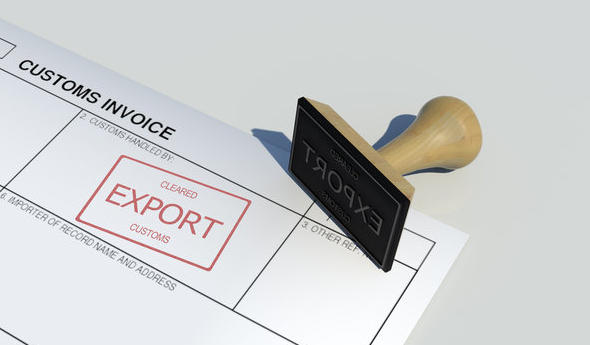
Step 2: Export Customs Clearance
Your freight forwarder prepares export documents and handles customs clearance in China to ensure your shipment can leave the country smoothly.
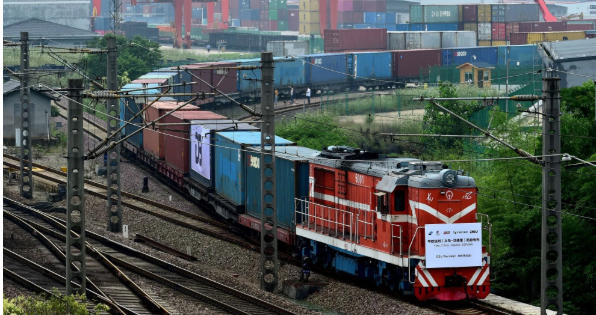
Step 3: Railway Transportation
Your cargo is loaded onto the train and transported through the railroad from China to Europe network across multiple countries until reaching the destination hub.
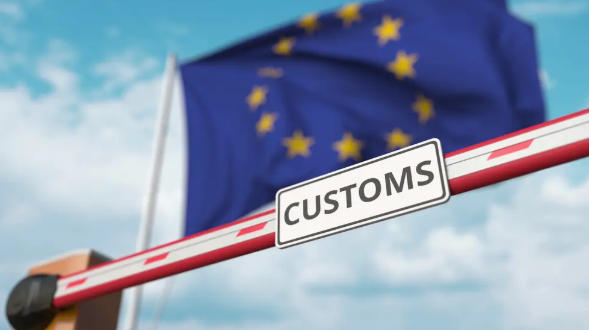
Step 4: Import Customs Clearance in Europe
Once the cargo arrives in Europe, your freight forwarder supports import customs clearance to ensure compliance with local regulations and avoid delays.
Step 5: Final Delivery
After customs clearance, the goods are delivered to your warehouse or final address in Europe through local trucking services, completing the train freight from China to Europe process.
What Documents Are Needed for Rail Freight From China to Europe?
Rail freight from China to Europe requires several key shipping documents to clear customs smoothly. The most essential documents usually include the commercial invoice, packing list, and railway bill, which are mandatory for most shipments in the China-Europe rail freight process.

If you prepare documents correctly in advance, your shipment can move faster through customs and reduce the risk of inspection delays. Below are the main documents, which you can use as a reference:
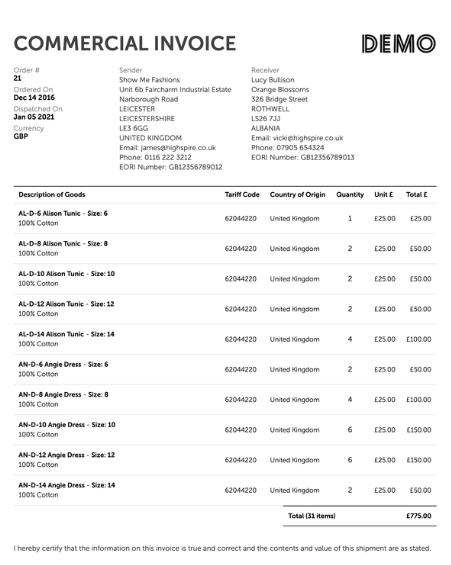
Commercial Invoice
The commercial invoice is the basic document that shows product details, value, and transaction information between buyer and seller. It is required for customs declaration in both China and Europe.
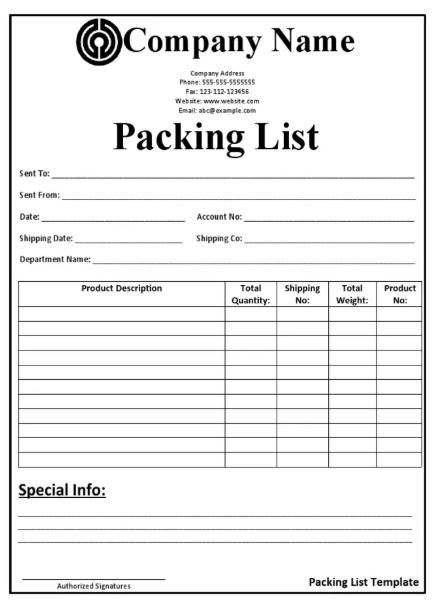
Packing List
The packing list provides detailed information about the cargo, including quantity, weight, dimensions, and packaging type. It helps customs officers and logistics teams verify the shipment during train freight from China to Europe.
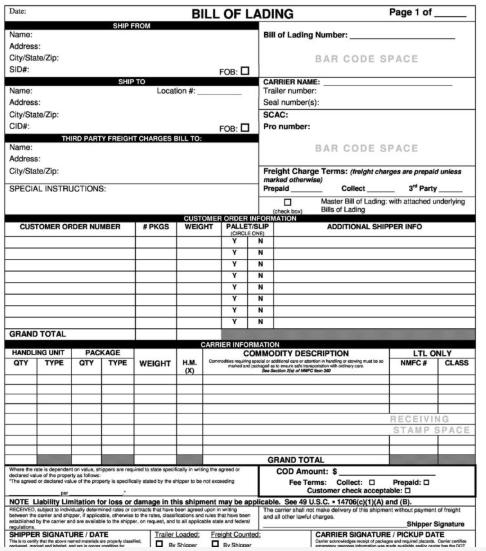
Railway Bill / Bill of Lading
The rail waybill (or bill of lading) is the transport document issued by the carrier or freight forwarder. It confirms that your goods have been received and are being transported through the railroad from China to Europe network.
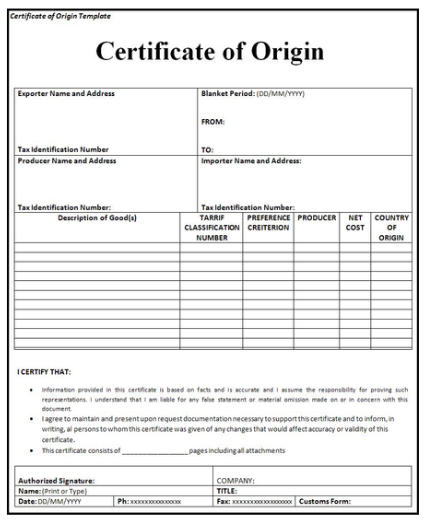
Certificate of Origin (If Required)
The certificate of origin proves where your goods were manufactured. Some countries require it for customs duty calculation or preferential trade agreements within the China-Europe rail shipments.
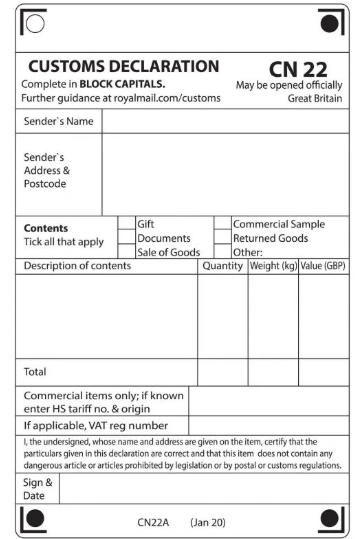
Customs Declaration Documents
Customs declaration documents are used to declare your cargo to authorities in both China and Europe. They ensure your shipment complies with import/export regulations and help avoid unnecessary clearance delays.
Additional Documents Required for Restricted Rail Freight Cargo
If you are shipping restricted or sensitive goods via rail freight from China to Europe, you will usually need additional documents beyond the standard shipping paperwork.
| Document | When It Is Required | Purpose |
|---|---|---|
| MSDS (Safety Data Sheet) | Chemicals, liquids, batteries, and related products | Provides safety and handling information for transport and customs review |
| UN38.3 Test Report | Lithium batteries and battery-powered products | Confirms that batteries meet international transport safety standards |
| Import / Export License | Regulated goods depending on destination country | Ensures legal approval for cross-border trade |
| Product Certifications (CE, RoHS, etc.) | Electronics and products entering the EU market | Proves product compliance with European safety and quality standards |
| Special Customs Declaration | Controlled, sensitive, or high-risk goods | Used for additional customs verification and compliance checks |
If you are unsure what documents your cargo needs, you can contact your freight forwarder or reach out to DFH Freight for guidance before booking.
FAQ About Rail Freight From China to Europe
1. Is Rail Freight Better Than Sea Freight?
It depends on your shipping needs. If you need faster shipping than sea freight but don’t want to pay high air freight costs, then rail freight is usually a better option.
2. Is Door-to-door Service Available for Rail Freight from China?
Yes. Many freight forwarders provide door-to-door rail freight services, including cargo pickup in China, customs clearance, railway transportation, and final delivery in Europe. This option is suitable if you want a simpler shipping process without managing multiple logistics providers yourself.
3. What Is the Minimum Shipment Size for Rail Freight From China?
There is no fixed minimum size because it depends on the service type you choose. Small shipments can usually use LCL (Less Than Container Load), while larger shipments are more suitable for FCL (Full Container Load). Your freight forwarder can recommend the best option based on your cargo volume.
4. Is Rail Freight From China Safe for Valuable Goods?
Yes, rail freight is generally considered a reliable option for many commercial goods. Compared with sea freight, it usually has shorter transit times, which can reduce storage and inventory risks. For high-value products, you can also discuss insurance options and security requirements with your freight forwarder.
5. Can I Ship From Any City in China by Rail to Europe?
Yes. You can ship goods from most cities in China, but your cargo may need to be moved to a major railway hub first. Your freight forwarder can arrange local trucking to cities like Xi’an, Chengdu, Chongqing, Yiwu, or Zhengzhou before starting the rail freight journey.
6. Can I Use DDP Rail Freight From China?
Yes. DDP (Delivered Duty Paid) rail freight is available for many shipments. With DDP service, the freight forwarder usually manages transportation, customs clearance, duties, and final delivery. It is a convenient option if you want a more predictable total shipping cost and less involvement in customs procedures.
7. How Can I Track My Rail Freight Shipment From China?
Most rail freight shipments can be tracked through your freight forwarder or logistics provider. Tracking information may include cargo pickup, departure from China, arrival at European terminals, customs clearance, and final delivery.
8. Why Is Rail Freight From China to Europe Becoming More Popular?
The China-Europe Railway Express provides a reliable connection between major manufacturing regions in China and the European market, helping companies improve the flexibility of their supply chains. Moreover, it is a cost-effective option in terms of both price and timeliness.
Final Thoughts
Choosing the right shipping method can make a big difference to your supply chain efficiency and overall costs. Rail freight from China to Europe is a practical option for businesses that need reliable transit times, competitive pricing, and better control over inventory.
To make the process smoother, it is also important to work with an experienced freight forwarder. Such as DFH Freight, they provide China-Europe rail shipping solutions with support for route planning, customs clearance, door-to-door delivery, and flexible shipping options to help you move cargo from China to Europe more efficiently.