
Shipping Titanium Products from China: A Complete Guide for 2026
If you want to shipping titanium products from China, you might face high costs, long transit times, customs delays, or even damage if your shipment isn’t handled correctly. Whether you’re sending CNC parts, anodes, or electrolyzer systems, knowing the right shipping methods, packaging tips, and customs rules is essential.
In this guide, I’ll walk you through everything you need to know to ship titanium safely and efficiently.
Why Import Titanium Products from China?
China is one of the world’s largest suppliers of titanium products. European buyers often find that Chinese suppliers offer a wider range of products and greater flexibility regarding order volumes.
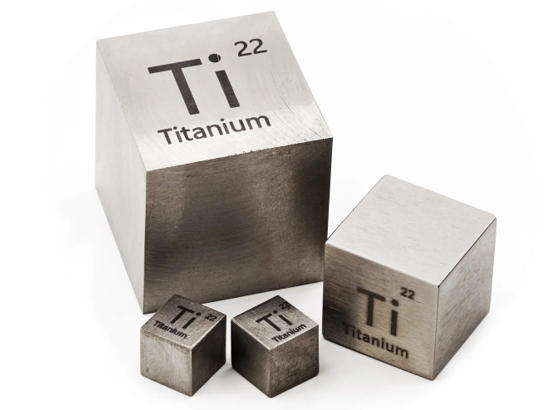
You can quickly see the main benefits in the table below.:
| Advantages | Details |
|---|---|
| Cost-effective | Prices are often 20–40% lower than local suppliers. (For reference only.) |
| High production capacity | Bulk orders and urgent requests can be fulfilled quickly. |
| Advanced technology | Many factories use CNC and precision machining. |
These advantages make China a strong sourcing hub for titanium products. You can benefit from lower costs, stable supply, and flexible production options.
Types of Titanium Products You Can Import
If you are shipping titanium products from China, raw materials are usually subject to stricter export controls and are not always suitable for international shipping.
In most cases, finished titanium products are the safer and more commonly accepted option for global transportation.
Below are some common titanium product types for your reference. You can use this list as a general guide, or contact us directly if you are not sure whether your product is suitable for shipping.
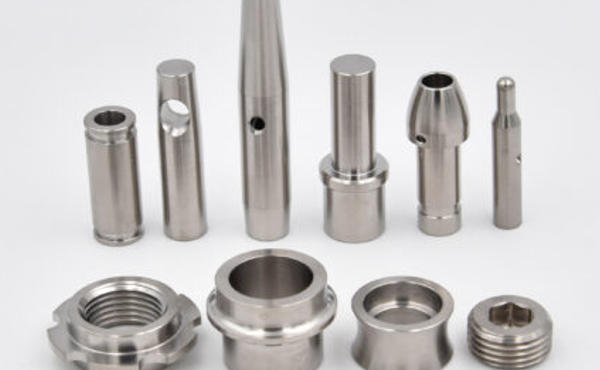
Titanium CNC Machined Parts
Titanium CNC-machined parts are widely used in precision industries such as aerospace, medical equipment, and industrial machinery. These parts are usually custom-made based on specific designs and requirements.
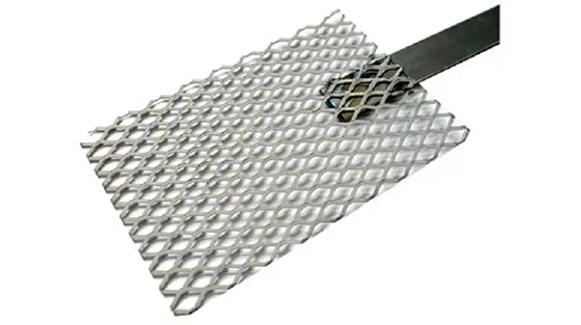
Titanium Anodes for Electroplating
Titanium anodes are commonly used in electroplating, chemical processing, and water treatment applications. They are often made with special coatings to improve performance and service life.
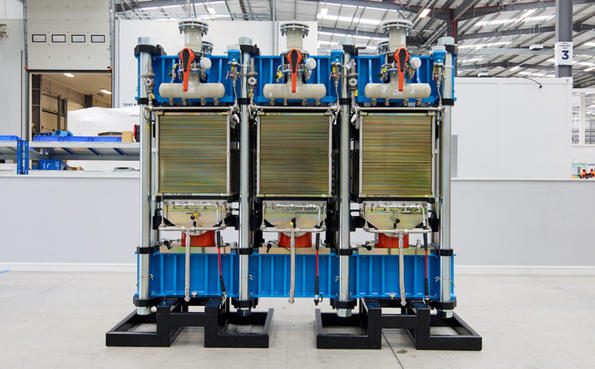
PEM Electrolyzer Systems
PEM electrolyzer systems are used for hydrogen production and clean energy applications. Unlike simple components, electrolyzers are complete systems with multiple parts that need secure packaging.
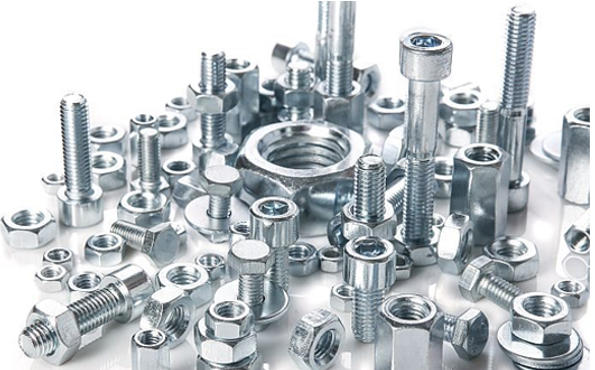
Titanium Fasteners (Bolts & Nuts)
Titanium fasteners, including bolts, nuts, and screws, are used in industrial assembly, machinery, and construction applications. They are lightweight, corrosion-resistant, and easy to transport compared with larger titanium equipment.
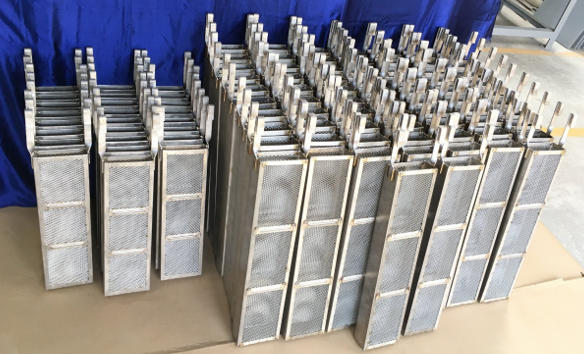
Titanium Electroplating Baskets
Titanium electroplating baskets are used in surface treatment and electroplating processes. They are designed for industrial applications where corrosion resistance and long service life are important.
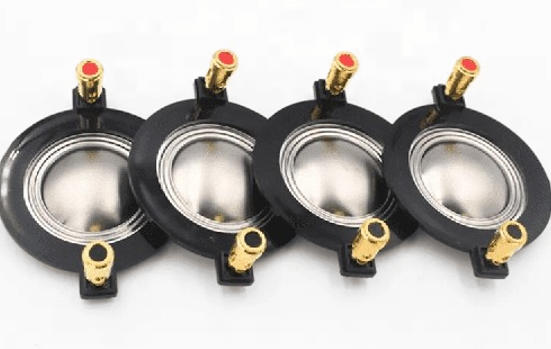
Titanium Diaphragm Assemblies
Titanium diaphragm assemblies are used in chemical separation, filtration, and industrial processing systems. They are functional components that require accurate manufacturing and careful handling.
Titanium Material Suppliers in China
Finding a reliable titanium material supplier is an important step before shipping titanium products from China.
Below are some well-known titanium suppliers from China you can consider.
| Supplier | Main Products | Why Consider Them |
|---|---|---|
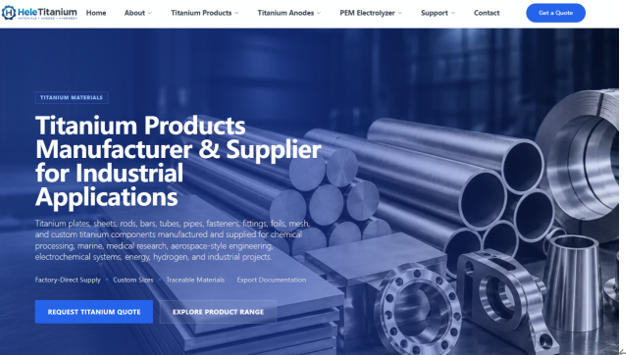
| Hele Titanium | Titanium anodes, MMO anodes, titanium electrolyzers, customized titanium products | Specializes in industrial titanium solutions with strong customization capabilities for electroplating, water treatment, and hydrogen applications |
| Western Titanium Technologies Co., Ltd. | Titanium products and customized titanium solutions | Experienced titanium manufacturer serving industrial applications |
| Titanium Industries, Inc. | Titanium products and specialty metals | A global titanium supplier serving aerospace, medical, and industrial markets |
Choosing the right titanium supplier, like Hele Titanium, is the first step to successful international shipping. A reliable supplier should provide not only quality products but also clear product information and export support.
Challenges and Risks of Shipping Titanium
Shipping titanium products from China is usually possible, but you need to handle several risks carefully.
Titanium products are often used in high-value industries. A small mistake can also cause delays and extra fees. Understanding these challenges before shipping can help you choose the right method and avoid problems:
1. Customs and compliance risks
Customs clearance is one of the biggest challenges when exporting titanium products from China. Incorrect product descriptions or missing documents may extend customs clearance time. Therefore, you should prepare the following items and ensure the information is accurate:
- Commercial invoice
- Packing list
- Product specifications
- Certificates if required
2. Product value and damage risks
Titanium products are typically used in precision applications and are costly. Products such as CNC-machined parts, titanium anodes, and proton exchange membrane (PEM) electrolyzers require careful handling.
Common risks include:
| Risk | Why It Happens | How to Reduce It |
|---|---|---|
| Physical damage | Poor packaging or rough handling | Use professional industrial packaging |
| Surface damage | Scratches during transportation | Add protective layers |
| Missing parts | Complex equipment shipment | Check all components before shipping |
| Unexpected delays | Incorrect shipping preparation | Plan documents in advance |
3. Choosing the wrong shipping method
The wrong shipping option can increase your cost or delay delivery. Such as air freight is faster but more expensive, sea freight is cheaper for larger shipments and express is suitable for small and urgent items.
Your product type, weight, value, and delivery time all affect the best choice.
4. Special handling requirements
Some titanium products need extra attention during transportation. For example, PEM electrolyzer systems may require careful protection because they contain multiple components.
Titanium anodes and customized parts also need proper packaging to protect their surface quality and performance.
Which Shipping Method Is Best for Titanium Products?
There are four main ways to ship titanium products internationally: air freight, sea freight, rail freight, and express delivery. But there is no single option that works for every titanium shipment. The best shipping method depends on your product type, size, weight, budget, and delivery time.
In the next sections, I will explain each option one by one. You can use this as a guide to choose the most suitable shipping method for your titanium products.
Shipping Titanium Products from China by air
Air freight works best when you care more about speed and control than cost. If your titanium products are high-value or time-sensitive, this is usually the safest option.

Main Features:
- Fast delivery, usually the quickest option
- Better control for urgent or valuable shipments
Best for: Air freight is best for titanium CNC-machined parts, titanium anodes, and small industrial components when you need them delivered quickly and safely.
Sea Freight for Titanium Products
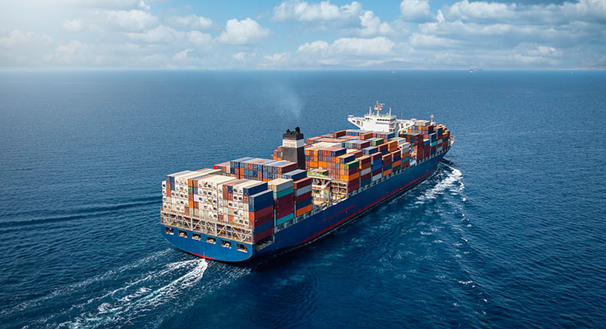
Sea freight makes more sense when your shipment is large and you want to keep costs under control. It’s slower, but for many buyers it’s the most practical option.
Main Features:
- Much lower cost for big shipments
- Works well for full container loads
- Good option when the delivery time is flexible
Best for: Sea freight is best for bulk titanium components, large equipment, and non-urgent shipments where saving cost matters more than speed.
Express Shipping for Small Titanium Products
Express shipping is what you use when the shipment is small and you just want it to arrive fast without complications. It’s simple, but not the cheapest choice.

Main Features:
- Door-to-door delivery is very convenient
- Very fast international transit
- Easy to arrange, even for small orders
Best for: Express shipping is best for samples, small titanium CNC parts, and replacement parts when you need quick delivery without delays.
Rail Freight for Titanium Products
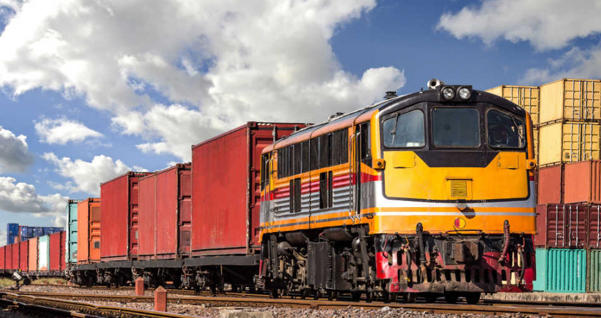
Rail freight is a good middle option if you are shipping to Europe and want a balance.
Main Features:
- Faster than sea freight
- Cheaper than air freight
- Stable and predictable schedules
Best for: Rail freight is best for medium-sized titanium shipments to Europe when you want a balance between cost and delivery time.
Always remember that choosing the right shipping method can help you reduce costs and avoid unnecessary delays. It’s one of the most important things when you want to transport titanium from China.
How Much Does It Cost to Ship Titanium from China?
Shipping titanium products from China does not have a fixed price. High-value titanium products like CNC parts or electrolyzer systems usually cost more because they need better protection and handling.

Main cost factors you should know
Shipping cost is not random. It is usually affected by a few key things:
- Shipping method (air, sea, express, rail)
- Shipment weight and volume
- Product type and value
- Destination country
- Customs requirements
Estimated shipping cost ranges
Below is a simple reference to help you understand market levels.
The following cost is just for reference only. Shipping costs for titanium products from China may vary due to your destination, market conditions, carrier capacity, fuel prices, shipping method, product type (e.g., CNC parts, anodes, electrolyzers), shipment size, and packaging requirements. So you should always request a real-time, itemised quote from your freight forwarder before booking.
| Shipping Method | Estimated Cost Level (Global Range) | Typical Situation |
|---|---|---|
| Air Freight | ~$4 – $11/kg | High-value titanium products, urgent shipments, CNC parts, anodes, electrolyzers |
| Sea Freight | ~$0.3 – $4/kg | Bulk titanium components, large industrial equipment, and non-urgent shipments |
| Express Shipping | ~$5 – $30/kg (higher cost for small parcels, lower for heavy shipments) |
Samples, small titanium CNC parts, urgent replacement components |
| Rail Freight | ~$1 – $3/kg | China–Europe shipments, medium-sized industrial titanium goods |
How Long Does Shipping Titanium from China Take?
Shipping time for titanium products from China depends on the shipping method, destination, and product type.
High-value or sensitive titanium products may also require extra handling time for packaging and customs clearance.
Estimated transit times by shipping method
| Shipping Method | Transit Time (Global Range) | Notes |
|---|---|---|
| Air Freight | ~2–5 days(to door) ~5–10 days(to airport) |
Fastest option for urgent titanium shipments |
| Sea Freight | ~25–40 days (DDP) ~15–25 days (to port) |
Depends on port congestion and route |
| Express Shipping | ~3–7 days | Door-to-door delivery via DHL/FedEx/UPS |
| Rail Freight | ~10–25 days | China–Europe balanced option |
For reference only
Main Time Factors You Should Know
If you understand these factors in advance can help you plan your shipment better and avoid unexpected delays:
Customs clearance speed:
Shipping time for titanium products can be affected when customs clearance takes longer due to missing documents, incorrect declarations, or additional inspection requirements at the destination.
Seasonal demand:
Shipping may take longer during peak seasons such as holidays or industry busy periods because carriers often face higher volumes and limited space.
Carrier schedules:
Transit time depends on airline or vessel schedules, and limited availability can delay both departure and final delivery.
Route congestion:
Some ports, airports, or rail hubs may experience congestion, which can add extra waiting time before your shipment moves forward.
Product size and complexity:
Larger or more complex titanium products usually require more careful handling, which can slightly extend the overall shipping time.
High-value or sensitive items:
Precision or high-value titanium goods may need extra inspection or protective handling, which can also increase total transit time.
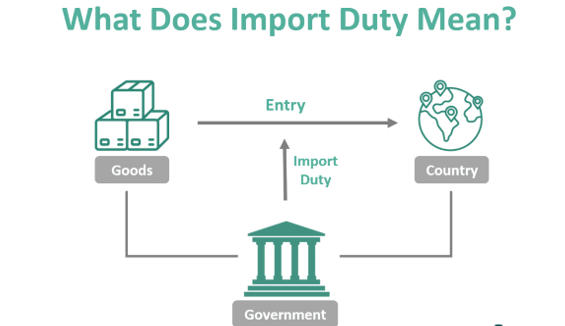
What Are the Import Duties for Titanium?
Import duties for titanium are the taxes and fees you need to pay when shipping titanium products from China to another country. When you are shipping titanium products from China, these charges are a normal part of international trade and cannot be avoided in most cases.
How to calculate import duties for titanium?
A simple formula:
Total Import Tax = Import Duty + VAT (or GST)
Below is a simple breakdown of each part so you can clearly see how your final import cost is formed.
-
Customs Value = Product Cost + Shipping Cost + Insurance Cost (if applicable)
-
Import Duty = Customs Value × Duty Rate
Note: The rate depends on the HS code of titanium products, product type (such as CNC parts, anodes, or electrolyzers), and local trade regulations. Even similar titanium products can have different duty rates in different countries.
- VAT = (Customs Value + Import Duty) × VAT Rate
Note: In most cases, VAT is calculated on the total landed cost, not just the product value. This is why VAT often becomes the largest part of the total import cost when shipping titanium products from China.
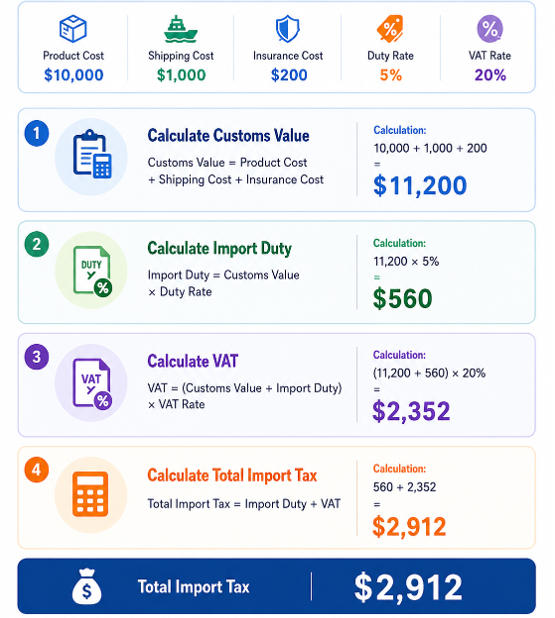
Example calculation for titanium import duties
Let’s take a simple example to show how the formula works in real shipping cases. Assume you are importing titanium CNC-machined parts from China:
- Product Cost = $10,000
- Shipping Cost = $1,000
- Insurance Cost = $200
- Duty Rate = 5%
- VAT Rate = 20%
Step 1: Calculate Customs Value
Customs Value = 10,000 + 1,000 + 200 = $11,200
Step 2: Calculate Import Duty
Import Duty = 11,200 × 5% = $560
Step 3: Calculate VAT
VAT = (11,200 + 560) × 20% = $2,352
Step 4: Calculate Total Import Tax
Total Import Tax = $560 + $2,352 = $2,912
The image below is provided to help you better understand the calculation process:
What Documents Are Required for Titanium Shipping?
For shipping titanium products from China, you will need a commercial invoice, a packing list, and a bill of lading as the basic required documents. Most shipments also require a mill test certificate (MTC) to confirm the material grade and specifications.

If any key document is missing or incorrect, your shipment may be delayed at customs.
Main Documents You Will Need
| Document | Purpose |
|---|---|
| Commercial Invoice | Shows product value and transaction details |
| Packing List | Describes product quantity, weight, and packaging |
| Bill of Lading (Sea) / Air Waybill (Air) | Transport document issued by carrier |
| Certificate of Origin | Confirms where the titanium products are manufactured |
| HS Code Declaration | Defines product classification for customs |
Additional Special Documents You Should Not Miss
For titanium products, especially industrial or engineered parts, additional technical documents are often required.
Mill Test Certificate (MTC)
This is one of the most important documents for titanium shipments. It confirms the material grade (such as Gr2 or Ti-6Al-4V), chemical composition, and mechanical properties.
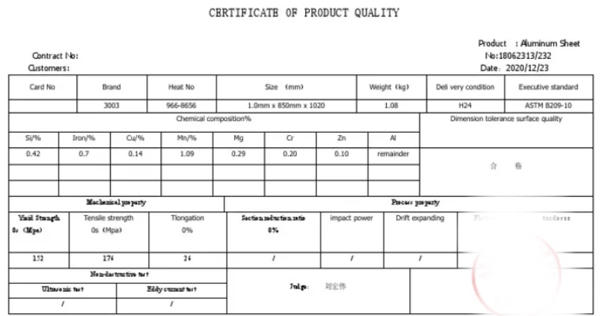
Customs, buyers, and engineers often use it to verify product quality and compliance with standards like ASTM or ISO.
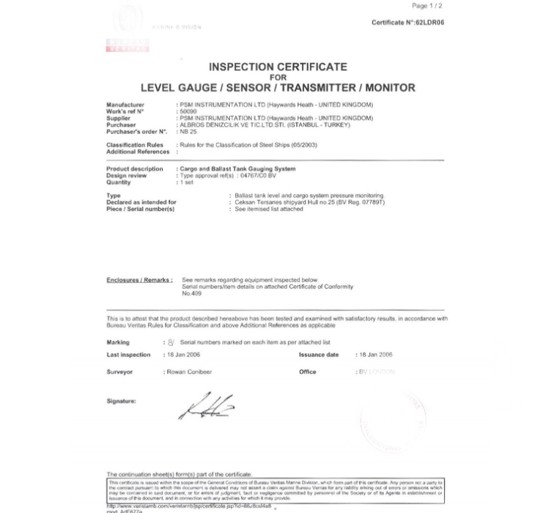
Inspection Certificate (if required)
For medical-grade or aerospace-grade titanium, you may need a third-party inspection certificate. This confirms the product meets the specification you ordered. Some destination countries and buyers require this as a condition of acceptance.
How to Package Titanium Products Safely?
Shipping titanium products isn’t just about putting them in a box. It’s about making sure they arrive in perfect condition. If you don’t package them properly, scratches, dents, or damage to precision parts like CNC components or titanium anodes can easily happen.
Using the right packaging protects your cargo and makes sure your products reach you safely. Here’s how to do it step by step:
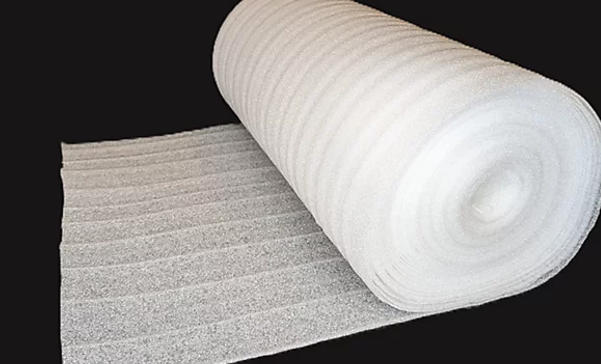
Protect the product with soft wrapping
You should start by wrapping each titanium item in bubble wrap, foam, or plastic sleeves. Even though titanium is strong, precision parts can get scratched or dented if left unprotected.
Use strong and stable outer packaging
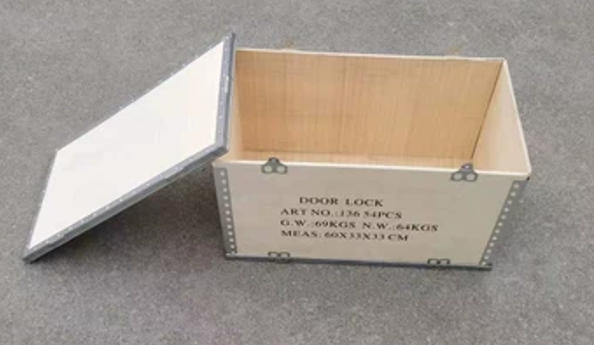
Place the wrapped items into sturdy cartons or wooden crates. Make sure the boxes are clean, dry, and strong enough to handle stacking or rough handling during transport.
Secure the inside to avoid movement
Fill any space inside the package with foam or other packing material. This keeps the products from shifting. For larger items like PEM electrolyzers, internal supports can help keep everything stable.
Match packaging with your shipping method
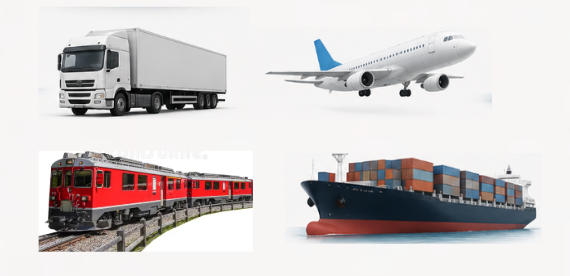
Think about how your goods will travel. Air and express shipments can handle lighter packaging. Sea freight requires stronger crates for the longer, bumpier journey. Rail or truck shipments may also need extra reinforcement.
Double-check before sending
Always check that everything is sealed, dry, and properly labeled. Correct packaging not only protects your titanium products but also helps avoid inspection delays and damage claims at customs.
If you want extra assurance, you can work with a reliable freight partner like DFH Freight, which has experience handling delicate industrial shipments from China. With proper packaging and the right shipping partner, your titanium products are much more likely to arrive safely.
Why DFH Freight Is the Right Choice for Your Titanium Shipments
DFH Freight has over 13 years of experience, serving more than 30,000 customers across 150+ countries. Their expertise will make sure your titanium CNC parts, anodes, or electrolyzer systems are shipped safely, efficiently, and with full compliance.
Key Advantages:
- Expert in International Logistics: Familiar with packaging, documentation, and customs for your products.
- Flexible Shipping Options: Air, sea, rail, and express tailored to your budget and urgency.
- Customs & Documentation Support: Commercial invoices, HS codes, Mill Test Certificates — all handled correctly.
- End-to-End Service: Pickup, export clearance, international transport, and delivery at the destination.
- Reliable Tracking: Real-time updates let you know where your shipment is at all times.
FAQs About Shipping titanium products from china
1. Which Country Is Famous for Titanium?
China, Russia, and the USA are the most well-known titanium-producing countries. China is especially strong in industrial titanium products due to its large manufacturing base and cost advantage. Baoji are known as the "Titanium Valleys" and supply a wide range of finished titanium parts for global industries.
2. Is Titanium a Good Investment?
Titanium can be a stable long-term material investment because it is widely used in aerospace, medical, chemical, and energy industries. Demand is relatively stable and growing, especially for green energy applications like hydrogen systems. However, prices can fluctuate depending on raw material supply and industrial demand.
3. What Metal Is Better Than Titanium?
There is no single “better” metal than titanium. It depends on the application. For example, steel is stronger in some structural uses, while aluminum is lighter and cheaper. Titanium is preferred when you need a balance of strength, corrosion resistance, and low weight, especially in chemical and marine environments.
4. Which Industries Use Titanium the Most?
Titanium is widely used in aerospace, medical implants, chemical processing, marine engineering, and new energy industries. It is especially popular in environments that require high corrosion resistance and long service life, such as seawater systems and electrochemical equipment.
5. Can Titanium Be Recycled?
Yes, titanium is fully recyclable without losing its performance. Recycled titanium is often reused in industrial applications such as machining, aerospace components, and chemical equipment. This makes it a sustainable material choice for long-term industrial use.
6. How Pure Is Industrial-grade Titanium?
Industrial titanium purity varies depending on grade. Commercial pure titanium (like Grade 1–4) can reach very high purity levels, while alloy grades (like Grade 5) include other elements to improve strength. The exact purity depends on the application and required mechanical performance.
7. Are There Restrictions on Exporting Titanium from China?
Yes, some titanium products may be subject to export control, especially high-grade alloys or materials used in aerospace or dual-use applications. Most standard industrial titanium products can be exported freely, but proper documentation and HS code classification are important.
8. How Can I Check the Quality of Titanium Before Shipping?
You can check titanium quality through a Mill Test Certificate (MTC), which shows chemical composition, grade, and mechanical properties. For higher requirements, third-party inspection reports or factory testing can also be used to confirm product quality before shipment.
9. What Is the Difference Between Titanium Alloy and Pure Titanium?
Pure titanium has excellent corrosion resistance and is easier to process, while titanium alloys are stronger and more suitable for high-stress applications. For example, Grade 5 titanium (Ti-6Al-4V) is commonly used in aerospace and engineering due to its high strength-to-weight ratio.
10. Can Titanium Withstand Corrosion in Seawater?
Yes, titanium has excellent resistance to seawater corrosion, which is one of its biggest advantages. It forms a natural protective oxide layer that prevents rust and degradation, making it ideal for marine engineering, desalination systems, and offshore equipment.
Final Thoughts
After going through all the details of Shipping titanium products from China, you can probably see that it is not just about choosing a shipping method.
That’s why many importers prefer to work with an experienced freight partner instead of handling everything alone. It helps you avoid common mistakes, reduce stress, and keep the whole process more predictable from start to finish.
If you want to avoid these problems and keep the whole process smooth and under control, working with a reliable freight forwarder like DFH Freight is a practical choice. It helps you reduce mistakes, save time, and make your shipping process much easier from start to finish.

