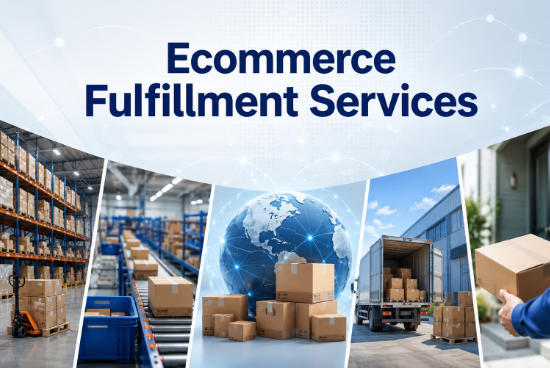
E-commerce Fulfillment Services 2026 Guide: Everything You Need to Know
E-commerce fulfillment services have become essential for sellers who want to scale without being slowed down by shipping delays, inventory chaos, or complex logistics operations. If your store is growing across Shopify, Amazon, or global markets, but fulfillment is starting to feel overwhelming, this guide is for you.
This guide will walk you through everything you need to know about Ecommerce Fulfillment Services, including how they work, the different fulfillment models, and how to choose the right solution for your online business.
What Are E-commerce Fulfillment Services?
E-commerce fulfillment services are the process of handling your online orders from storage to delivery. They help you ship products to customers without doing everything yourself.
E-commerce fulfillment services are best for sellers who want to scale without managing logistics themselves, and you should use them if you are running a Shopify store, selling on Amazon or multiple platforms, handling growing order volume, shipping to international customers, or struggling with storage or delivery speed.
How Do E-commerce Fulfillment Services Work?
Fulfillment services usually follow a simple flow. Each step is important for speed and accuracy, including receiving inventory, storing goods in the warehouse, picking and packing orders, and finally shipping them to customers.
1. Inventory receiving
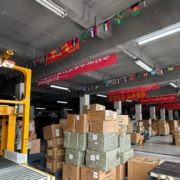
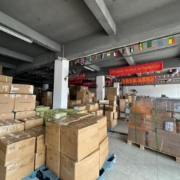
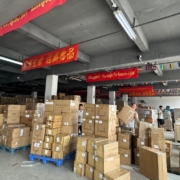
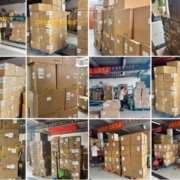
Products arrive at the warehouse from your supplier or manufacturer. You usually send them directly to a fulfillment center, so you don’t need to handle storage yourself.
Once they arrive, the warehouse team checks quantity, packaging condition, and product details. If everything is correct, the items are labeled and added to the system for tracking.
2. Storage in warehouse
Your products are stored in a fulfillment center or 3PL warehouse. You don’t need to manage shelves, space, or daily inventory handling.
Everything is tracked in a digital system, so you can usually see stock levels in real time. Fast-moving products are often placed closer to packing areas to improve efficiency.
3. Order processing
When a customer places an order, it is automatically synced from your store to the fulfillment system. You don’t need to forward orders manually.
The system checks inventory and sends the order to the warehouse team if the product is available. This is why many sellers use Shopify or Amazon integrated fulfillment services.
4. Picking and packing
Warehouse staff pick the correct item based on the order details. Accuracy is important here because even small mistakes can affect customer satisfaction.
After picking, the product is packed securely using suitable materials. If needed, labeling or simple preparation work is also completed before shipping.
5. Shipping delivery
Once packed, the order is handed over to carriers like DHL, FedEx, or UPS for final delivery. You don’t need to manage the shipping process yourself.
Delivery speed depends on the warehouse location and your customer’s address. Tracking numbers are generated so you and your customers can monitor the shipment easily.
6. Returns handling
If a customer returns an item, the fulfillment center manages the entire process. This includes receiving, inspecting, and deciding whether the product can be restocked.
You don’t need to process returns manually, which saves time and reduces operational pressure. This is especially useful for high-volume Shopify or Amazon stores.
Types of E-commerce Fulfillment Services
E-commerce fulfillment services are not one single model. Different businesses use different service models, which are based on cost, speed, and scale. You should choose the right type depending on how your online store operates.
Here are the main types of E-commerce fulfillment services:
1. In-house fulfillment
In-house fulfillment means you manage everything yourself. You store products, pack orders, and ship them directly from your own space. This model gives you full control, but it also adds workload. You may need space, staff, and time to manage daily orders.
It is usually used by very small stores or early-stage sellers. Once order volume grows, many sellers move to a 3PL E-commerce fulfillment model.
2. Third-party logistics (3PL) fulfillment
3PL fulfillment is the most common model in E-commerce today. You send your products to a E-commerce fulfillment warehouse, and a provider handles everything. This is why many brands search for the best 3PL for e-commerce solutions.
A 3PL usually covers storage, picking, packing, and shipping in one system. It is widely used in fulfillment services and global E-commerce operations.
3. Dropshipping fulfillment
Dropshipping means you do not store any inventory at all. When a customer places an order, the supplier ships it directly to them. You don’t need to handle warehousing or packing yourself. This makes it a low-cost way to start an online business.
However, you have less control over shipping speed and product quality. That is why many sellers later switch to E-commerce fulfillment services or 3PL.
4. Amazon FBA fulfillment
Amazon FBA is a platform-based fulfillment system. You send products to Amazon, and they handle storage, packing, and delivery. It is widely used by Amazon sellers who want fast delivery and Prime eligibility. Many Shopify sellers also explore Amazon FBA with Shopify to expand sales channels.
However, it is platform-dependent and less flexible than independent fulfillment providers.
5. Hybrid fulfillment model
A hybrid model combines different fulfillment methods. You might use a 3PL warehouse for Shopify orders and Amazon FBA for marketplace sales.
This model is common for growing brands that sell on multiple platforms. It helps you balance cost, speed, and inventory flexibility.
Comparison of E-commerce Fulfillment Models
Understanding the differences among these 5 types of models can help you choose the best E-commerce fulfillment services for your business.
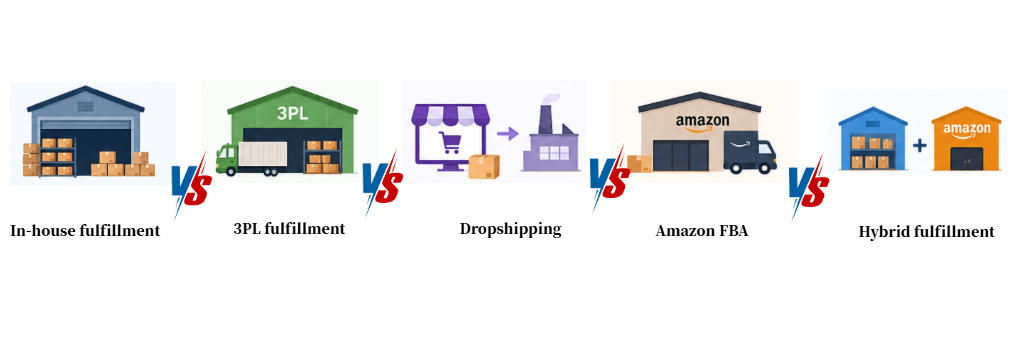
Below is a clear comparison of the main fulfillment models used in E-commerce.
| Model | How it works in real life | Best for | Key limitation |
|---|---|---|---|
| In-house fulfillment | You store products, pack orders, and ship directly from your own space | Small stores or early-stage sellers who want full control | Hard to scale, high time, and labor cost |
| 3PL fulfillment | You send inventory to a 3PL, and they manage storage, picking, packing, and shipping | Growing E-commerce brands that want to scale fast | Costs depend on order volume and services |
| Dropshipping | You list products, the supplier ships directly when the order comes in | Beginners or low-budget E-commerce stores | Low control over quality and shipping speed |
| Amazon FBA | You send products to Amazon warehouses, and they fulfill Amazon orders | Amazon sellers needing Prime delivery | Limited to the Amazon ecosystem |
| Hybrid fulfillment | You may use 3PL for Shopify and FBA for Amazon at the same time | Multi-channel sellers scaling globally | More complex inventory and operations management |
Each e-commerce logistics model is suitable for different business stages and strategies. I hope the comparison table above will help you make a faster choice.
8. How to Choose the Right E-commerce Fulfillment Provider?
Choosing the right e-commerce logistics provider involves more than just price. You should also consider factors such as warehouse location, shipping speed, and more.
Here are some key selection factors I’ve compiled for your reference:
1. Warehouse Location
You should check if the provider has warehouses near your primary customer areas. Warehouses closer to the delivery address mean faster delivery for customers and savings on your logistics costs.
This is especially important if you want a stable service from the e-commerce logistics company.
2. Shipping Speed and Coverage
Shipping speed is one of the most important factors affecting customer satisfaction. A good logistics provider should offer fast shipping and reliable delivery times.
You should also check their coverage, including not only domestic but also international shipping.
3. Integration with E-commerce Platforms
A modern logistics provider must be able to seamlessly integrate with your store’s system. This includes Shopify, Amazon, WooCommerce, and other e-commerce platforms.
Look for providers that offer robust logistics integration with major e-commerce platforms and support real-time order synchronization. This can reduce manual operations and help you avoid shipping errors or missing orders.
4. Price Transparency
Many service providers charge hidden fees for warehousing, picking and packing, or returns, so you must ask them for a complete breakdown of e-commerce logistics pricing from the outset.
If your logistics partner initially offers a very low quote, be careful! You might end up paying more.
5. Inventory Management Capabilities
Good inventory management prevents overselling and inventory problems. A robust system should be able to update inventory across all sales channels in real time.
You should also check if the service provider supports low inventory or best-selling product alerts. This is a key advantage of advanced third-party logistics (3PL) e-commerce logistics systems.
6. Scalability for Business Growth
Excellent logistics service providers should be able to support both seasonal peaks and long-term business expansion. They must be able to handle increasing order volumes without compromising operational efficiency.
Many sellers choose high quality e-commerce logistics services precisely because they offer flexible scalability.
Therefore, the best e-commerce logistics service provider should not only fit your budget, but also your operational needs.
Recommended E-commerce Fulfillment Solutions
The right E-commerce fulfillment solution depends on where you sell, how you source products, and how fast you want to scale.
Below are the most common E-commerce fulfillment solutions used by global sellers.
1. Cross-border E-commerce Logistics Solutions
Cross-border e-commerce logistics is best suited for sellers who source products internationally and ship them to customers worldwide. For example, it’s commonly used by sellers who import products from China and sell them to Europe, the US, or other overseas markets.
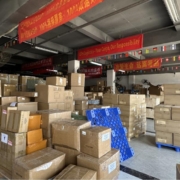
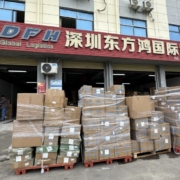
These solutions are typically provided by international logistics providers or logistics partners located in China, with DFH Freight as an example.
Why choose DFH Freight for your e-commerce logistics?
DFH Freight offers cross-border logistics solutions specifically designed for e-commerce sellers who require end-to-end logistics support. It helps you manage the entire shipping process from supplier to customer.
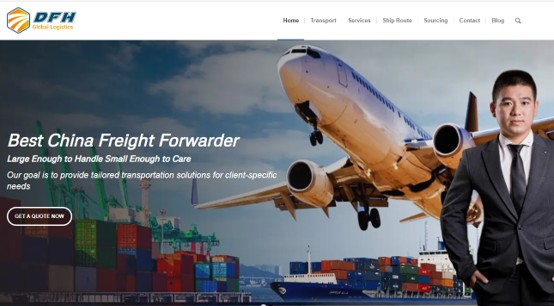
The advantages of DFH Freight are:
- When you work with them, you can combine goods from multiple suppliers into one shipment to reduce overall shipping costs and avoid multiple freight charges.
- They help you choose the right shipping method based on your budget, delivery time, and destination, so you can balance speed and cost more easily.
- With real-time coordination, you get fewer delays and more stable delivery across different supply sources.
- They also offer repackaging, bundling, labeling, and basic quality checks before shipping, so your products are ready for international delivery.
- If you sell on Amazon, they support FBA preparation, so you don’t need to handle extra warehouse requirements yourself.
Overall, you don’t need to manage multiple logistics providers separately. They handle the end-to-end process, which saves you time and makes communication much simpler.
Best for:
Shopify sellers, Amazon sellers, and fast-growing E-commerce businesses that need scalable cross-border logistics support.
2. Domestic E-commerce Fulfillment Providers
Domestic E-commerce fulfillment providers usually operate regional warehouses and handle storage, picking, packing, and shipping within a specific country or region.
They are a good choice for brands that want shorter delivery times and a better local customer experience without managing their own warehouse operations.
Examples:
1. ShipBob
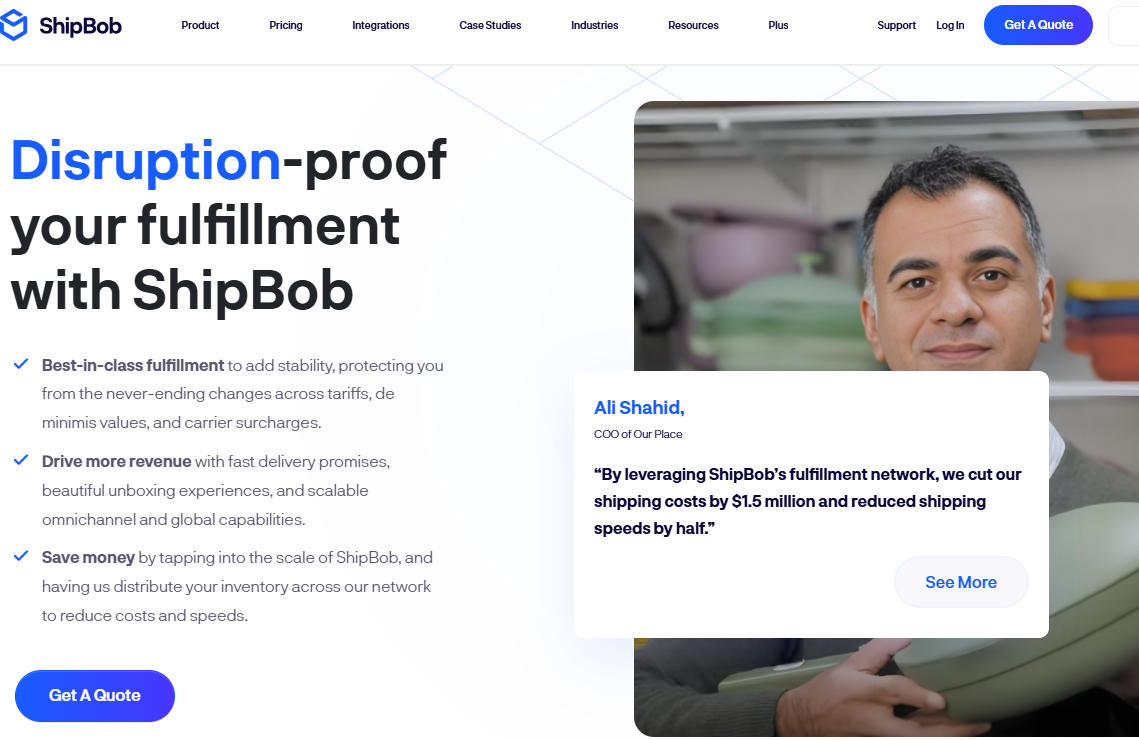
ShipBob is a US-based 3PL provider that helps E-commerce brands manage inventory, order fulfillment, and shipping through its warehouse network. It supports popular e-commerce platforms and is commonly used by Shopify sellers who need scalable domestic fulfillment.
Advantages:
- A wide warehouse network helps improve local delivery speed
- Easy integration with e-commerce platforms like Shopify
- Suitable for growing e-commerce brands with regular order volume
Limitations:
- Mainly focused on businesses that already hold inventory near customers
- Costs may increase as storage and fulfillment needs grow
Best for: Growing e-commerce brands that need fast domestic shipping and simple fulfillment management.
2. Red Stag Fulfillment
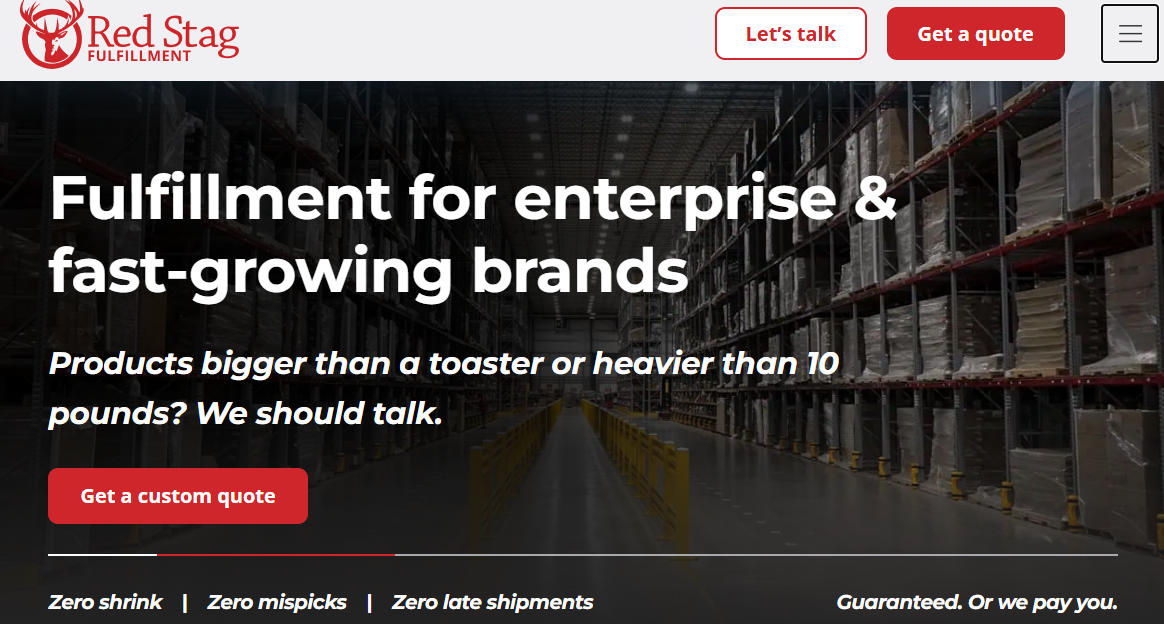
Red Stag Fulfillment is a US-based fulfillment provider that specializes in E-commerce orders, especially products that are larger, heavier, or require careful handling. It focuses on accuracy, fast processing, and reliable domestic delivery.
Advantages:
- Strong experience with heavy, oversized, and high-value products
- Focuses on order accuracy and fast fulfillment
- Provides reliable warehouse and shipping operations
Limitations:
- May not be the best fit for very small sellers with low order volume
- Mainly designed for businesses targeting the US market
Best for: Businesses selling heavy, oversized, or high-value products that need specialized fulfillment and careful handling.
If you already have inventory stored in your target market and want faster local delivery, domestic fulfillment providers can be a good choice.
3. Marketplace Fulfillment Solutions
Marketplace fulfillment solutions allow sellers to send inventory to the marketplace’s fulfillment network, where the platform handles storage, packing, shipping, and customer service.
They are a good option for businesses that want simpler operations and faster delivery without managing their own fulfillment process.
Example:
Amazon FBA (Fulfillment by Amazon)
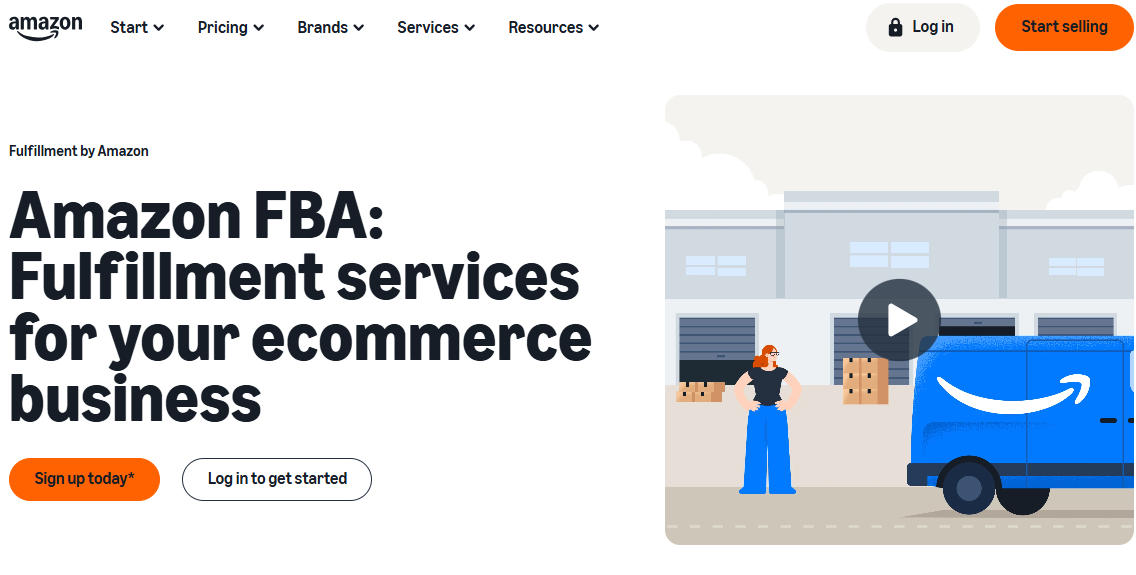
Amazon FBA is one of the most widely used marketplace fulfillment solutions. Sellers send their products to Amazon fulfillment centers, and Amazon manages storage, order processing, shipping, and customer support.
Advantages:
- Fast delivery options help improve customer experience
- Products may qualify for Amazon Prime benefits
- Amazon handles packing, shipping, and customer service
- Easy option for sellers focused on Amazon sales
Limitations:
- Sellers have less control over the fulfillment process
- Storage and long-term inventory fees can increase costs
- Mainly designed for Amazon marketplace sales
If you mainly sell on Amazon and want a simple way to manage storage, shipping, and customer service, Amazon FBA can be a suitable choice.
Benefits of Using E-commerce Fulfillment Services
E-commerce Fulfillment Services help sellers build a more efficient operating system, eliminating the need to handle all logistics tasks themselves. For growing online businesses, a suitable logistics partner can enhance customer experience, control costs, and simplify business expansion.
In real business operations, E-commerce Fulfillment Services bring several important benefits:
1. Focus on Your Business Growth
By entrusting the transportation challenges to a logistics provider, you can dedicate more energy to product development, marketing, customer acquisition, and sales growth.
2. Improve Customer Experience
E-commerce logistics services offer smoother logistics, thus increasing customer satisfaction and repeat purchase rates.
3. Access to Professional Logistics Resources
If you choose the right provider, you can benefit from established warehousing networks, carrier relationships, and extensive operational experience without investing heavily in your own infrastructure.
4. Reduce Your Business Risk
If your business is expanding, using a logistics partner can alleviate the pressure of managing logistics. You don’t need to constantly invest heavily in warehousing or hire additional staff. This also gives you greater flexibility during periods of business growth.
5. Support for International Expansion
If you need to conduct international sales, experienced logistics providers can help streamline cross-border operations and reduce challenges in overseas delivery. You can also develop new markets.
Common E-commerce Fulfillment Mistakes to Avoid
E-commerce logistics mistakes can lead to increased costs, order delays, and poor customer experiences. Many sellers focus on increasing sales but overlook subtle operational issues that can affect logistics performance.
So avoiding the following common mistakes will help you build a smoother, more reliable logistics process.
1. Insufficient inventory during peak periods
Many sellers only replenish their inventory when inventory levels are low. However, popular products may run out of stock during promotions or seasonal peaks. Therefore, you need to predict product demand and monitor sales trends, and then maintain sufficient inventory for these products to avoid unnecessary delays.
2. Shipping Inadequately Prepared Products
Incorrect labeling, inappropriate packaging, or missing product information can slow down warehouse processing or cause additional handling work. Therefore, preparing products according to order fulfillment requirements will help your inventory flow more smoothly.
3. Ignoring Packaging Requirements
If you intend to save costs by using inferior packaging, it may increase the risk of product damage during long-distance transportation. Therefore, you should use proper packaging, which can also improve your customer experience.
4. Inadequate Returns Planning
If you only focus on shipped orders but neglect the customer return processing procedure. This can also lead to reduced customer satisfaction. Returns are a normal part of e-commerce, and you still need to establish a clear process. A well-structured returns process helps you inspect products faster, manage inventory accurately, and maintain customer trust.
5. Expanding into new markets without proper logistics planning
International business growth is not just about selling products to new customers. It also requires considering different shipping requirements, customs regulations, and delivery expectations. Planning your order fulfillment strategy before expanding your business can help avoid unexpected costs and delivery issues.
6. Over-reliance on Manual Operations
If your order volume is constantly increasing, manual order fulfillment management becomes increasingly difficult. For example, manually updating orders, tracking inventory, or coordinating shipments can all lead to errors and waste time. In this case, using automated systems and connected order fulfillment tools can improve daily operational efficiency.
FAQs About E-commerce Fulfillment Services
What Is The Difference Between DC And FC?
DC (Distribution Center) and FC (Fulfillment Center) are both logistics facilities, but they serve different roles in the supply chain. A DC is mainly used to store large volumes of goods and distribute them to retailers, wholesalers, or other warehouses. It focuses on bulk movement rather than individual orders. An FC is designed for ecommerce orders, where each item is picked, packed, and shipped directly to end customers.
Can Ecommerce Fulfillment Services Handle Seasonal Sales Spikes?
Yes, order volumes can increase significantly during peak seasons such as Black Friday or holidays. Most fulfillment providers prepare in advance by adjusting staffing, warehouse capacity, and operational workflows. However, sellers should also share sales forecasts early to help avoid delays or inventory bottlenecks.
How Much Do Ecommerce Fulfillment Services Cost?
There is no fixed price here. Costs of ecommerce fulfillment services vary depending on storage space, order volume, and shipping distance. Most providers charge for storage, pick & pack, and delivery, so pricing is usually based on usage rather than a fixed fee.
Is Amazon A 3PL Or 4PL?
Amazon mainly operates as a Third-Party Logistics (3PL) provider through its FBA service. It offers storage, packing, shipping, and customer service for sellers. At the same time, Amazon also shows some characteristics of a 4PL by integrating marketplace operations, data systems, and logistics infrastructure into one ecosystem.
What Are L4 And L5 Levels In Amazon?
L4 and L5 are internal Amazon job levels, not logistics terms. L4 is typically an entry-level or junior professional role for early-career employees. L5 is a mid-level role that requires more experience and responsibility. These levels are part of Amazon’s internal career structure and are unrelated to fulfillment operations.
Is Outsourcing Fulfillment Cheaper Than Doing It In-House?
It depends on your order volume and business stage. Small sellers often save costs by outsourcing fulfillment because they avoid warehouse rent, staff, and equipment expenses. However, larger brands with stable high volume may reduce per-unit costs by running their own warehouse operations.
Do Fulfillment Providers Help With Customs Clearance?
Yes, many cross-border ecommerce fulfillment providers support customs documentation and clearance processes. This helps reduce delays at borders and makes international shipping smoother and more predictable for e-commerce sellers.
Final Thoughts
Ecommerce Fulfillment Services are not just about shipping products, they are about building a scalable system that supports your business growth across different markets and sales channels.
If you are handling cross-border shipping, multiple suppliers, or international customers, working with an experienced logistics partner can simplify everything from warehousing to final delivery.
For example, DFH Freight provides E-commerce Fulfillment Services covering the full process from transportation to door-to-door delivery, including warehousing, consolidation, customs clearance, and final delivery, helping Shopify and Amazon sellers scale globally with less operational pressure.