
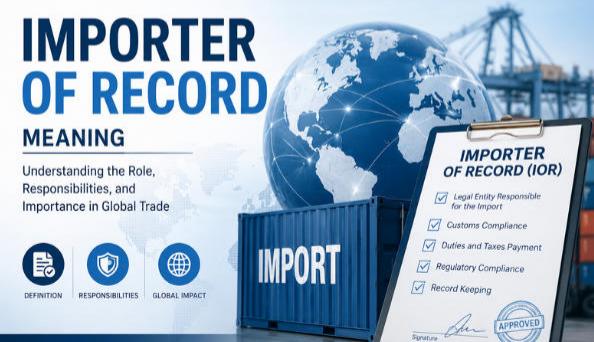
What Is an Importer of Record? Full Meaning & Responsibilities Explained
If you are shipping goods internationally, understanding the importer of record meaning is essential to avoid customs delays, unexpected taxes, and shipment holds. Many businesses struggle because they don’t know who is legally responsible when goods enter a new country, especially in DDP shipping or cross-border e-commerce.
This guide will walk you through everything you need to know about IOR, from definition to real shipping operations, so you can manage global shipments with more confidence.
What Is Importer of Record (IOR) Definition?
Importer of Record (IOR) is the company or person that takes full legal responsibility when goods cross borders. They make sure the shipment follows local import laws and customs rules.
In international logistics, the Importer of Record is often required when you don’t have a local entity in the destination country.
To support this process, many logistics providers offer professional IOR solutions. For example, DFH Freight supports Importer of Record (IOR) to help businesses handle cross-border shipments more smoothly and compliantly.
Why Is Importer of Record Important in International Shipping?
Importer of Record (IOR) is important because it is required for customs clearance, tax control, and legal import compliance. Without an IOR, international shipments cannot be officially imported into most countries.
To understand its real impact, you can look at three key areas where IOR directly affects every shipment.
1. Customs Clearance Requirement
Customs authorities like U.S. Customs and Border Protection or HM Revenue & Customs always require a declared importer before releasing any goods. This process is known as IOR customs clearance or importer of record customs process.
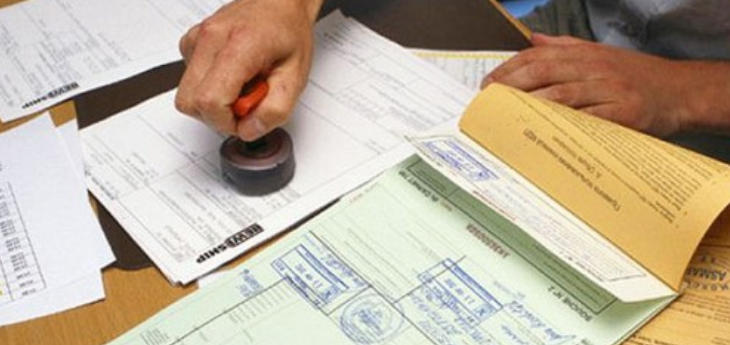
If there is no valid IOR, customs simply cannot move the shipment forward. The goods will stay on hold until the legal importer is confirmed.
2. Tax & Duty Accountability
IOR also defines who is responsible for import taxes and duties. This includes customs duties, VAT or GST, and other import-related charges. In many cases, this is referred to as importer of record VAT responsibility.
The key point is simple: IOR is the party that legally pays and reports import costs in the destination country. If something is declared incorrectly, customs will hold the IOR accountable.
This is why companies often rely on importer of record services to reduce compliance risk and manage tax obligations properly.
3. Avoiding Shipment Delays
IOR can help you avoid delays in international shipping. Most delay reasons are customs cannot clearly identify the responsible importer, or documents are incomplete.
This is very common in the importer of record for US customs and EU import processes, where rules are strict.
In real cases:
- You may face extra checks for high-tech goods
- You may need approval for food or medical products (like FDA importer of record)
- You may face warehouse delays in e-commerce shipments, such as Amazon FBA
That is why Amazon FBA importer of record is widely used in global shipping.
With a proper IOR, you can keep your shipment moving and avoid unnecessary stops at customs.
Who Can Be an Importer of Record?
An Importer of Record (IOR) can be any legally registered entity that is allowed to import goods into a country.
In real international shipping, the common types of Importer of Record include:
| Type of IOR | Who They Are | When They Are Used |
|---|---|---|
| Buyer / Consignee | The receiver of goods in the destination country | When the buyer has a local entity and can handle import duties |
| Local Company | A registered business in the importing country | When companies operate directly in that market |
| Logistics Provider | A company offering importer of record services | When the importer does not have a local entity |
| Foreign Compliance Partner | A foreign importer of record acting on behalf of the importer | When cross-border trade requires third-party compliance support |
IOR in Real Shipping Scenarios
The role of Importer of Record (IOR) depends on the shipping model and logistics setup. Different shipping methods assign IOR responsibility in different ways.
| Shipping Scenario | IOR Responsibility | Explanation |
|---|---|---|
| DDP Shipping | Seller or Service Provider | In DDP importer of record setups, the seller usually takes full responsibility for duties, taxes, and customs clearance |
| Amazon FBA Shipments | Service Provider / Third-Party IOR | In Amazon importer of record cases, a provider handles compliance so goods can enter Amazon warehouses smoothly |
| Express Logistics (DHL / FedEx) | Compliance Partner or Assigned IOR Agent | In DHL importer of record or FedEx shipments, IOR support helps speed up customs clearance |
Importer of Record vs Consignee vs Buyer (Key Differences)
Importer of Record (IOR), Consignee, and Buyer are often confused, but they have very different roles in international shipping.
Clear Comparison Table
| Role | Main Function | Legal Responsibility | Real Meaning in Shipping |
|---|---|---|---|
| Importer of Record (IOR) | Handles customs clearance and import declaration | Full legal responsibility for taxes, duties, and compliance | You are the official importer in IOR customs clearance |
| Consignee | Receives the goods physically | Usually no customs liability | You receive the shipment but do not handle import duties |
| Buyer | Purchases the goods | Limited to commercial contracts only | You only control the buying decision, not customs compliance |
Understanding this difference is key in the meaning of an importer of record and real IOR shipping operations.
Importer of Record Responsibilities Explained
Importer of Record (IOR) is responsible for every legal step in the import process. These responsibilities ensure goods can clear customs legally and safely enter the destination country.
| Responsibility | What It Includes | Why It Matters |
|---|---|---|
| Customs Declaration | IOR submits import entry to customs authorities with correct product details, value, and HS code classification | Helps avoid shipment blocks |
| Import Duties & Taxes | IOR handles import duties, VAT/GST, and customs fees | Defines responsibility for import costs |
| Product Compliance | Ensures goods meet local regulations such as FDA or EU requirements | Prevents rejection of sensitive goods |
| Documentation Accuracy | Checks invoices, packing lists, HS codes, and permits | Reduces delays and inspections |
| Record Keeping | Stores import records and compliance documents | Required for future customs audits |
In real shipping operations, these responsibilities all sit under one role: the Importer of Record.
That’s why many businesses rely on importer of record services to keep everything compliant and reduce operational risk.
Documents Required for Importer of Record
In real import operations, documents are the core of customs compliance. They help customs understand what is being shipped, who is responsible, and how import duties should be calculated.
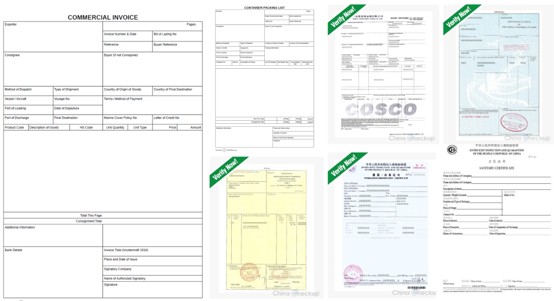
Common Documents Used in IOR Process
- Commercial Invoice: This document declares the product value and includes seller and buyer details for customs valuation purposes.
- Packing List: This document shows what is inside the shipment, including quantity, weight, and packaging breakdown.
- Bill of Lading / Air Waybill: It acts as transport proof and confirms how the goods are being shipped internationally.
- HS Code Classification: This code identifies the product category and determines applicable import duties and restrictions.
- Import Permits (if required): This document is required when goods are regulated, such as digital signage displays, medical products, food, or certain electronics in specific countries.
- Customs Declaration Form: This official document is submitted to customs authorities like U.S. Customs and Border Protection or HM Revenue & Customs to request import clearance approval.
How Importer of Record Works in Real Shipping Process
In this section, we use DFH Freight as an example of a freight forwarder providing Importer of Record (IOR) services to explain how the process works in real logistics operations.
Key steps where DFH Freight acting as IOR is involved
Step 1: Shipment Preparation
At the beginning, shipment details are prepared before goods leave the origin country. Product information, commercial invoice details, and transport instructions are confirmed between the shipper and DFH freight forwarder.
At the same time, DFH freight forwarder acting as Importer of Record (IOR) is assigned, so there is a clear legal importer responsible for customs compliance from the start.
Step 2: Pickup and Export Arrangement
Once everything is ready, DFH freight forwarder arranges pickup from the supplier and handles export procedures such as warehouse entry and carrier booking.
Step 3: International Transportation
During transit, the shipment moves across borders toward the destination country.
Step 4: Customs Declaration
When the shipment arrives at the destination country, DFH Freight forwarders submits the customs declaration to authorities. This is the point where customs officially recognizes the importer responsible for the shipment.
Step 5: Customs Clearance Process
After declaration, customs reviews product classification, declared value, and compliance documents. Import duties, VAT, or GST are then calculated. DFH Freight forwarders as IOR remains the key responsible party during inspections, clarification requests, or compliance checks.
Step 6: Final Delivery
Once customs clearance is completed and all duties are settled, the goods are released for final delivery. The shipment is then handed over to the consignee or last-mile logistics provider, completing the import process.
If you are looking for a reliable partner to support your cross-border shipments, DFH Freight provides Importer of Record (IOR) services to help simplify customs clearance, reduce compliance risks, and keep your shipments moving smoothly across global markets.
Why Choose DFH Freight IOR Services
DFH Freight is an experienced international logistics provider with a global service network and strong knowledge of cross-border shipping.
With over 30,000 customers across 150 countries and regions, we have developed extensive experience in handling various types of international shipments and logistics challenges.
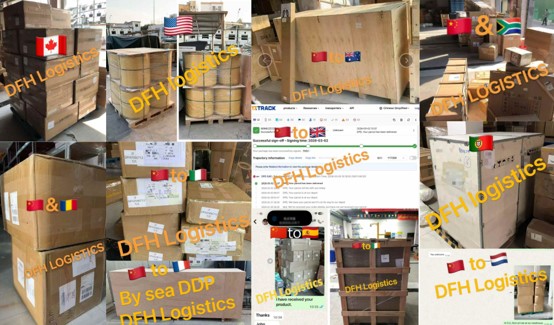
Key benefits of DFH Freight’s IOR services:
1. Support for Businesses Without a Local Entity and DDP Shipments
If you do not have a registered company in the destination country, we provide Importer of Record (IOR) services to support your import process.
This is especially helpful for DDP shipments, where you need a reliable partner to handle everything.
2. Accurate Document and Tax Management
Correct documents and tax handling are essential for smooth customs clearance. We can help you check key import information, including product details, HS codes, customs documents, duties, and so on, helping reduce errors and improve compliance.
3. Smooth Customs Clearance Process
Customs delays often happen when documents are incomplete or import responsibilities are unclear. We work with relevant parties to manage the IOR process properly, so we can help your goods complete customs clearance and move forward without unnecessary interruptions.
4. Flexible Solutions for Different Shipment Needs
Every shipment has different requirements. Whether you are shipping commercial cargo, e-commerce products, or goods that require additional compliance checks, we provide flexible IOR solutions based on your specific situation.
Real Successful Cases
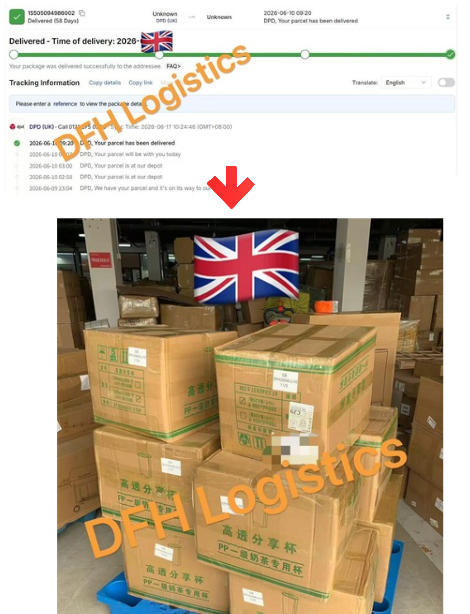
- Shipping from China to UK sea freight DDP for 11 boxes of plastic cups was successfully delivered with our IOR services.
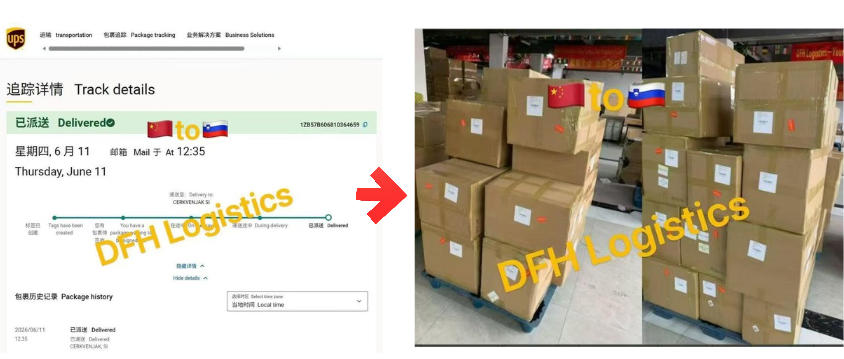
- Shipping from China to Slovenia by train DDP for 45 packages was safely delivered with our IOR services.
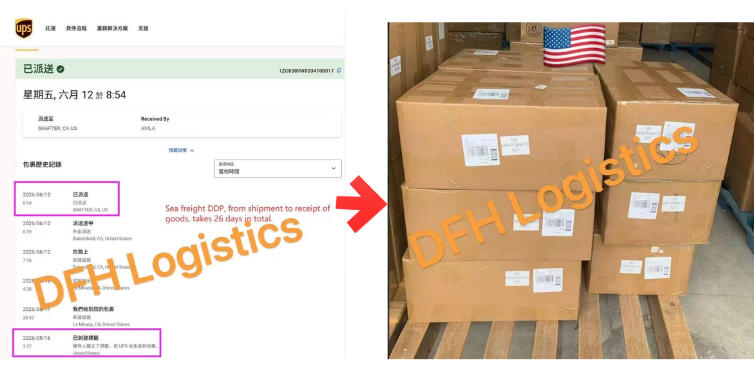
- Shipping from China to USA sea freight DDP with a 26-day transit was completed with our IOR services.
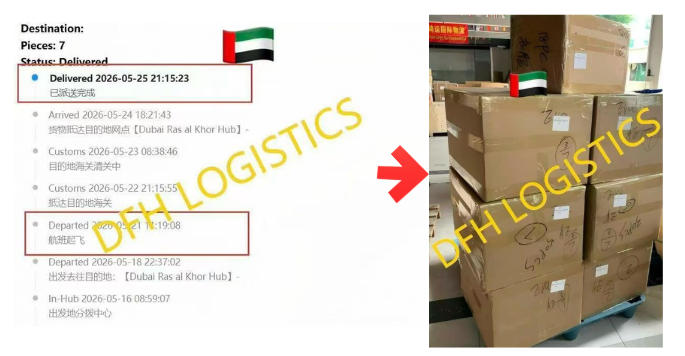
- Shipping from China to UAE air DDP shipment was successfully delivered in 4 days after flight departure with DFH Freight’s IOR services.
With DFH Freight’s Importer of Record services, you can focus on your business. You can contact us to get tailored support for your cross-border shipping needs.
FAQ About Importer of Record
What Is the Difference Between Importer of Record and Customs Broker?
An Importer of Record is the legal party responsible for import compliance, while a customs broker is an authorized agent that helps process customs declarations on behalf of the importer. The broker assists with documentation, but the IOR holds the legal responsibility.
Is the Buyer the Importer of Record?
Not always. In some domestic or simple trade cases, the buyer can also act as the Importer of Record. However, in international shipping, especially under DDP terms or cross-border e-commerce models, the buyer may not be qualified or registered locally. In these cases, a freight forwarder or third-party provider often acts as the IOR instead.
Does the Importer of Record Have to Own the Goods?
No, the Importer of Record does not need to own the goods. The role is focused on legal import responsibility rather than ownership. The IOR ensures customs compliance, submits declarations, and pays import duties and taxes. Ownership of goods remains separate from the legal responsibility of importing them into the destination country.
Who Is IOR Under DDP?
Under DDP (Delivered Duty Paid), the seller is responsible for delivering goods with duties paid and customs cleared. However, if the seller does not have a local entity, a third-party service provider such as a freight forwarder may act as the Importer of Record. This ensures the shipment can be legally cleared and delivered in the destination country.
What Is an Importer of Record Number?
An Importer of Record number is an identification number used by customs authorities to recognize the responsible importer in a shipment. It is often linked to a business tax ID or customs registration number.
What Is the Difference Between Importer of Record and EORI?
An Importer of Record is the legal party responsible for import compliance, including duties, taxes, and customs declarations. An EORI number (Economic Operators Registration and Identification) is a registration ID used in the EU to identify importers and exporters in customs systems. The IOR is the responsible entity,and the EORI is only an identification number.
Final Thoughts
If you are shipping goods internationally, understanding the importer of record meaning is essential to avoid customs delays, unexpected taxes, and shipment holds. Many businesses struggle because they don’t know who is legally responsible when goods enter a new country, especially in DDP shipping or cross-border e-commerce.
If you are still unsure about how the importer of record meaning applies to your shipments, or you need support with international customs compliance, DFH Freight provides professional Importer of Record (IOR) services to help you simplify the process and reduce import risks.
You can contact us directly to get professional support for your shipments.

