Customs Clearance in Singapore: A Complete Guide for Importers
Customs clearance is a critical step in international logistics. Any mistakes can cause shipment delays or serious problems. In this article, I will give a comprehensive guide for Singapore importers to help you clear customs smoothly and avoid potential risk like customs detention, penalties, inspection and confiscation.
Singapore customs clearance involves submitting import declarations through TradeNet, preparing documents such as commercial invoices and packing lists, paying GST and duties, and completing customs inspections when required. Accurate HS codes, compliant packaging, and complete documentation help importers avoid delays, penalties, and customs detention in Singapore.
Who Can Import in Singapore
Not anyone who runs the business in Singapore holds import and export qualifications. Before you become a registered importer in Singapore, here are 3 things you need to do:
- Enterprises must register with ACRA(Accounting and Corporate Regulatory Authority).
- TradeNet registration: submit your company documents, business license and contact information.
- Get approval and obtain the registration number.
You can only import legally after registering as an importer. But for some startups or small businesses without import qualification, they can also entrust a registered importer or use the DDP trade term.
Import License in Singapore
In Singapore, you also need an import license for import permission under certain circumstances. Following goods require import license:
- Controlled goods: medicines, food items, drones, plants, animals, weapons and replicas, telecommunication equipment.
- Goods valued at SGD 400 and above.
- Imported goods for trading.
Step-by-Step Customs Clearance Process in Singapore
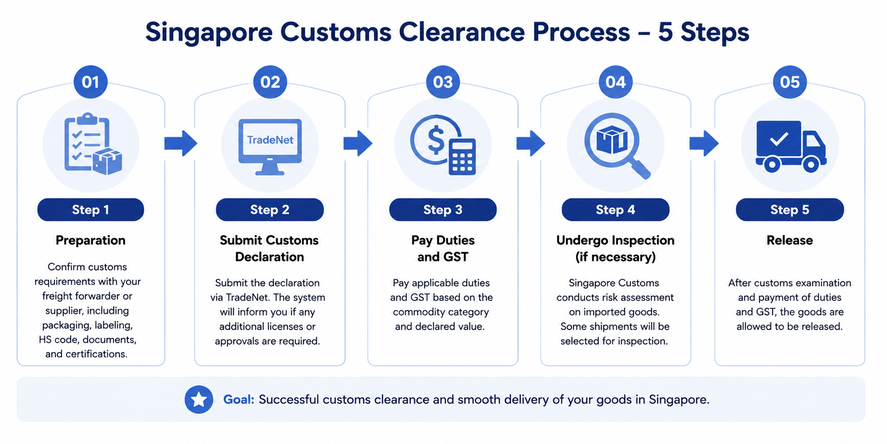
Step 1: Preparation
Confirm with your freight forwarders or suppliers about customs requirements of packaging, labeling, HS code, shipping documents, and certifications.
Step 2: Submit Customs Declaration
Submit customs declaration by TradeNet. The system will inform you whether additional licenses or approvals are required. Ensure all documents are accurate, otherwise shipment may be delayed.
Step 3: Pay Duties and GST
Duties and GST are based on commodity category and declared value.
Step 4: Undergo Inspection (if necessary)
Singapore Customs conducts risk assessment on all imported goods, and some shipments will be selected for random inspection.
Step 5: Release
After customs examination and payment of duties and GST, goods are allowed to be released.
Required Documents for Singapore Customs Clearance

Before customs clearance, make sure that you have prepared these documents well. If you don’t want to handle the paperwork, choose a reliable freight forwarder and let them work for you(Check Singapore Official Documents for Clearance of Goods ).
Commercial Invoice
Commercial invoice is mainly for customs to check goods value, duties, GST and HS code. Make sure complete information, correct product description, and right currency.
Packing List
Packing list is to check cargo quantity, specification, packaging and weight. List clearly packaging type, number and dimensions. Please ensure that the product descriptions and quantities match those on the commercial invoice.
Air Waybill / Bill of Lading
Air waybill and bill of lading is the important document for customs to confirm the shipment information and legitimacy.
Certificate of Origin(Optional)
Certificate of origin is an official document to prove the origin production of goods. High-value goods or those eligible for preferential tariff must submit it.
Other Permits and Certificates
Some products may need import permits or certificates. This will depend on your cargo type and goods value.
Duties and GST in Singapore
All goods imported into Singapore are subject to Goods and Services Tax (GST) and duties.
- Customs Duty: imported goods.
- Excise Duty: goods manufactured in, or imported into, Singapore.
- Goods and Services Tax: imported goods.
The duties are based on ad valorem or specific rates:
- Ad valorem rate: A percentage of the goods’ customs value (e.g., 20% of customs value)
- Specific rate: A specified amount per unit of weight or other quantity (e.g., S$535 per kilogramme)
Goods and Services Tax (GST) is calculated based on:
- The customs value of the goods, plus all duties, or
- The last selling price (LSP), plus all duties, if the goods were sold more than once before import and the last buyer is the party declaring the payment permit.
- The rate: 9% on the total value of goods.
Note: Above information is according to Singapore official customs website.
4 Kinds of Dutiable Goods in Singapore
- Intoxicating liquors
- Tobacco products
- Motor vehicles
- Petroleum products and biodiesel blends
Here to check the detailed list of dutiable Goods.
Common Issues in Singapore Customs Clearance
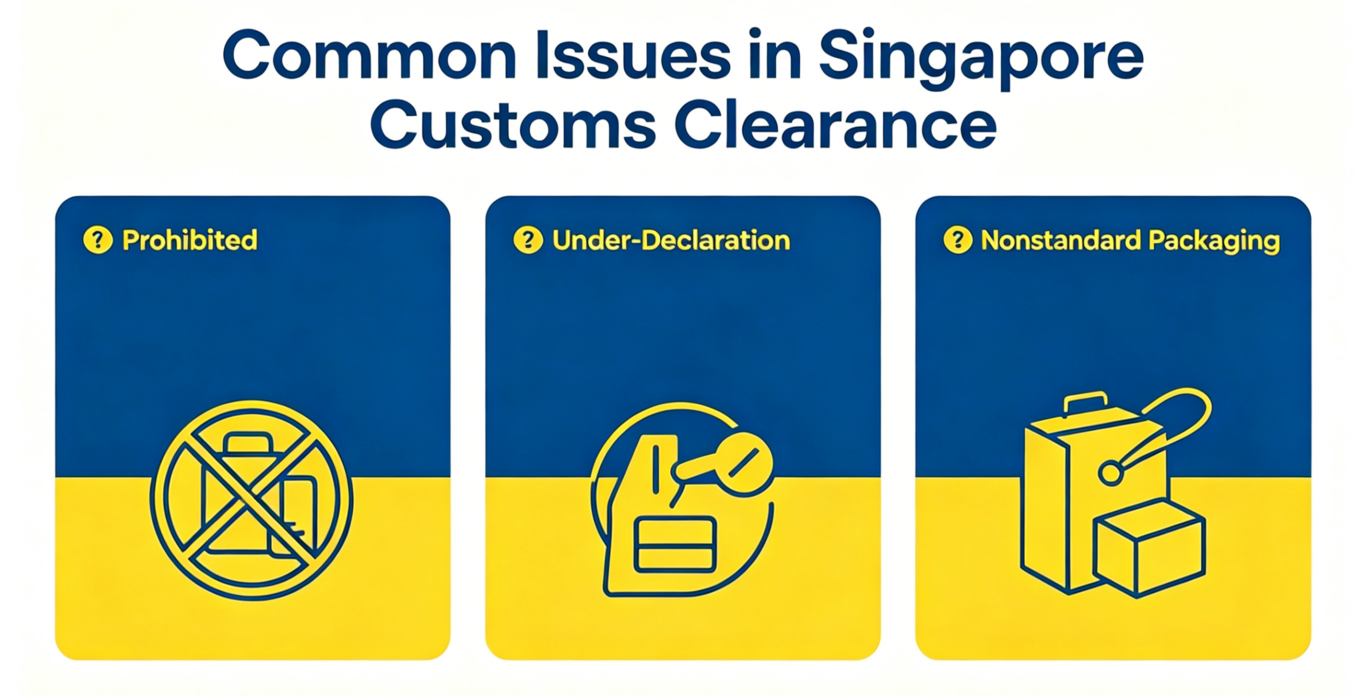
When deal with customs clearance, we need to know some Singapore customs restrictions and regulations. This will help you avoid potential risks of customs detention, inspection and penalties.
Prohibited Goods in Singapore
Following prohibited goods are not allowed to import in Singapore. If you import prohibited goods in Singapore, you will face customs detention, confiscation and even criminal prosecution.
- Counterfeit goods
- Obscene publication
- Certain weapons and explosives
- Endangered wildlife products
- Item branded under Singapore Law
- Chewing gum (excluding Health Sciences Authority approved oral dental and medicinal chewing gum)
- Tobacco
- Controlled drugs
- Some telecommunication equipment(Check examples of prohibited telecommunication equipment)
Under-Declaration
Under-declaration refers to declaring a lower value, quantity, or weight of goods on the customs declaration than the actual value, in order to reduce duties, GST, or other fees. In Singapore, this is a serious offense, and whether done intentionally or by mistake, it may be subject to legal consequences.
When Singapore customs finds under-declaration, you may be required to pay owned duties and GST. Moreover, you will probably be placed on the customs blacklist and may face more frequent inspections in the future.
Nonstandard Packaging
High risk or dangerous goods need to be marked clearly. Fragile goods without reinforcement may get damaged during inspection, which will affect the declaration.
To sum up, you need to know all kinds of restrictions and policies of Singapore customs to prevent problems. Or you can also cooperate with an experienced freight forwarder and let professionals to handle everything for you. Let the experts handle it.
Real Customer Case
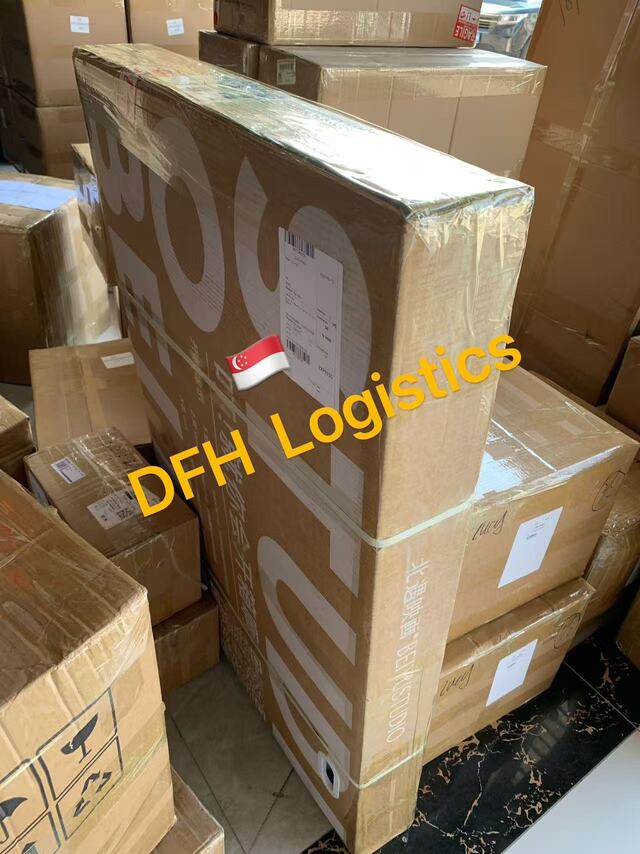
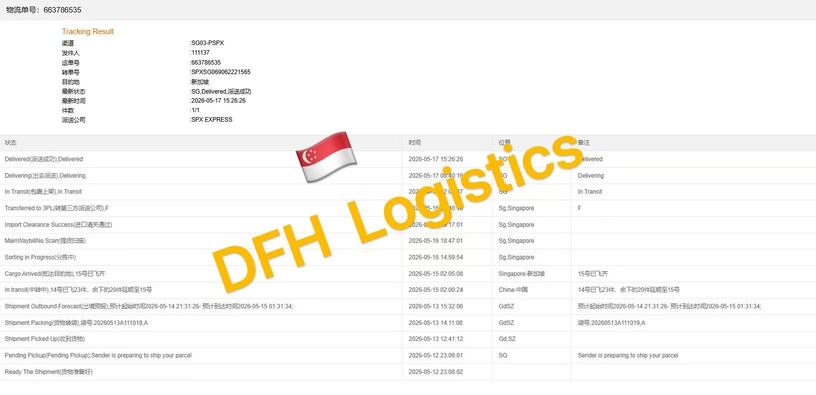
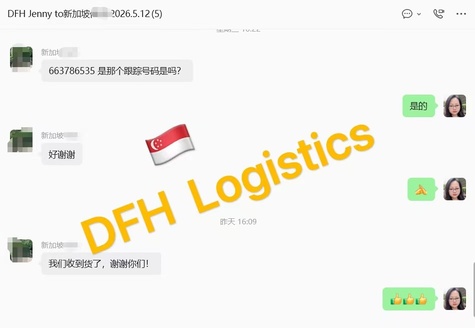
- Item: Wedding photos
- Shipping Method: Air freight door to door shipping from China to Singapore
- Transit time: 3-5 days
- Weight: 25kg
- What we did: we provide professional packing and complete shipping solutions with safe handling, reliable routes, and competitive pricing.
FAQ About Customs Clearance in Singapore
1. How should importers handle a customs inspection in Singapore?
Customs will randomly inspect goods. If you are not importing prohibited goods, it will be fine. Cooperate with officials and provide any certificates and accurate documents they require. The shipment will be delayed 3-15 days, depending on specific inspection.
2. Can defer payment of duties and GST?
Yes, but with conditions. Singapore customs provides Import GST Deferment Scheme (IGDS), which is to ease the cash flow pressure of taxable traders by deferring the imports’ Goods and Services Tax (GST) payment. Only registered IGDS traders with permit can defer the payment of duties and GST.
3. Will a company’s past violations affect future customs clearance?
Yes. Companies with a history of misdeclaration, under-declaration, or violations may face more frequent inspections. So it’s better for importers to maintain accurate and compliant records.
4. Are paper copies of customs documents required?
Singapore Customs accepts submissions for most documents via TradeNet and have already implemented paperless customs clearance. Paper copies are generally not mandatory, except in rare cases or specific licenses.
5. How to speed up customs clearance in Singapore?
Always prepare everything early. Submit complete and accurate documentation. Classify goods correctly with accurate HS codes. And use experienced freight forwarders who specialize in China-to-Singapore routes to minimize unexpected issues.
6. Will first-time importer face a higher possibility of customs inspection?
Yes. First-time importers may experience more frequent inspections, as there is no history clearance record. So first-time importers will be required to verify their compliance with import regulations.
More Resource You May Be Interested
Air Freight vs Sea Freight to Singapore: Cost & Time Comparison
China to Singapore Shipping Time: Express, Air & Sea Freight Compared(2026)
How Much Does It Cost to Ship 1 CBM from China to Singapore? (2026 Guide)
Final Thoughts
Singapore customs clearance is usually efficient when documents, HS codes, and import requirements are prepared correctly. Working with an experienced freight forwarder like DFH Logistics can reduce customs risks, delays, and unexpected costs, especially for first-time importers or businesses importing from multiple suppliers in China.
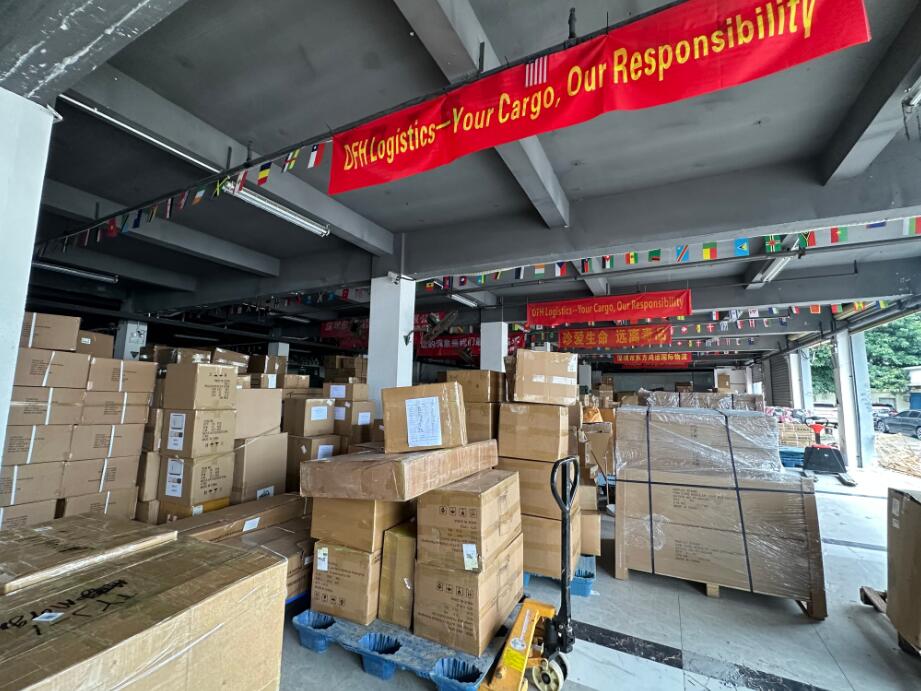
DFH Logistics has more than 30 professionals who specialize in customs clearance with 13 years of experience. We have deep knowledge of every step of international logistics and provide comprehensive services to keep everything under control, from pickup, consolidation, repacking, relabeling, 30 days free warehousing, insurance, customs clearance to final delivery.We are happy to help you for all of your shipments from China to Singapore.